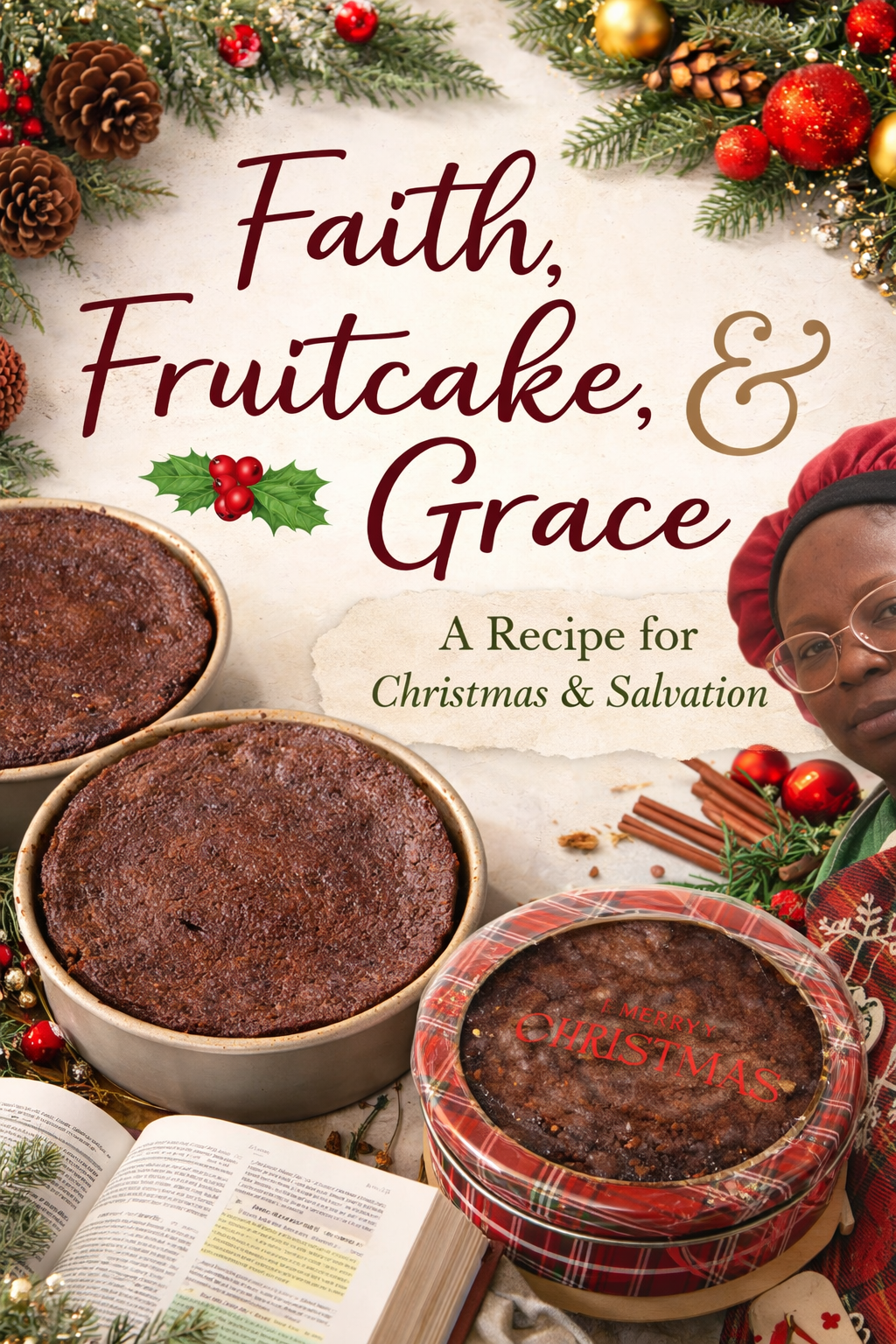
Christmas had already passed when I finally turned on the oven. What once took me a short afternoon now took way too long—pauses for pain, moments of checking and double-checking, resting, then starting again. My body moved slower than my memory, slower than it used to before the Navy and before my health required so much attention.
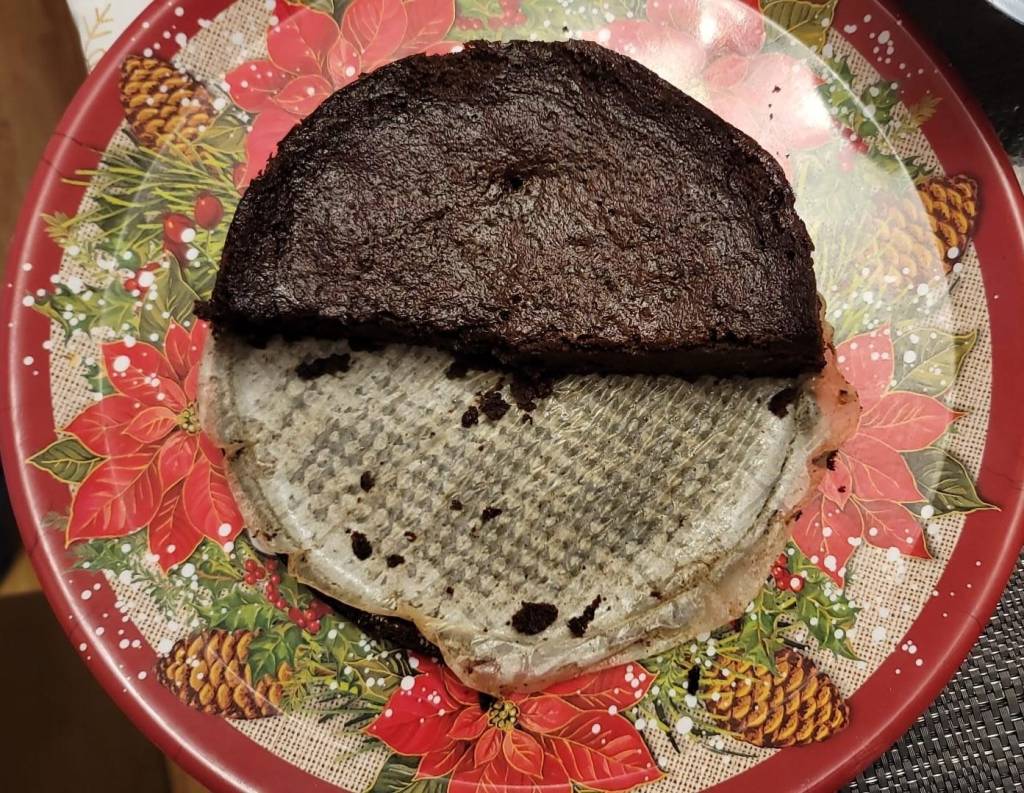
I measured carefully and still got the sugar wrong. Too much, if I’m honest. But if anything had to be off, let it be sweetness. In the middle of the delay, the discomfort, and the imperfections, I was reminded that grace is not rushed and some things still come together beautifully, even when the process costs more than it used to.
“And we know that in all things God works for the good of those who love him, who have been called according to his purpose.” (Romans 8:28)
Baking After the Holiday
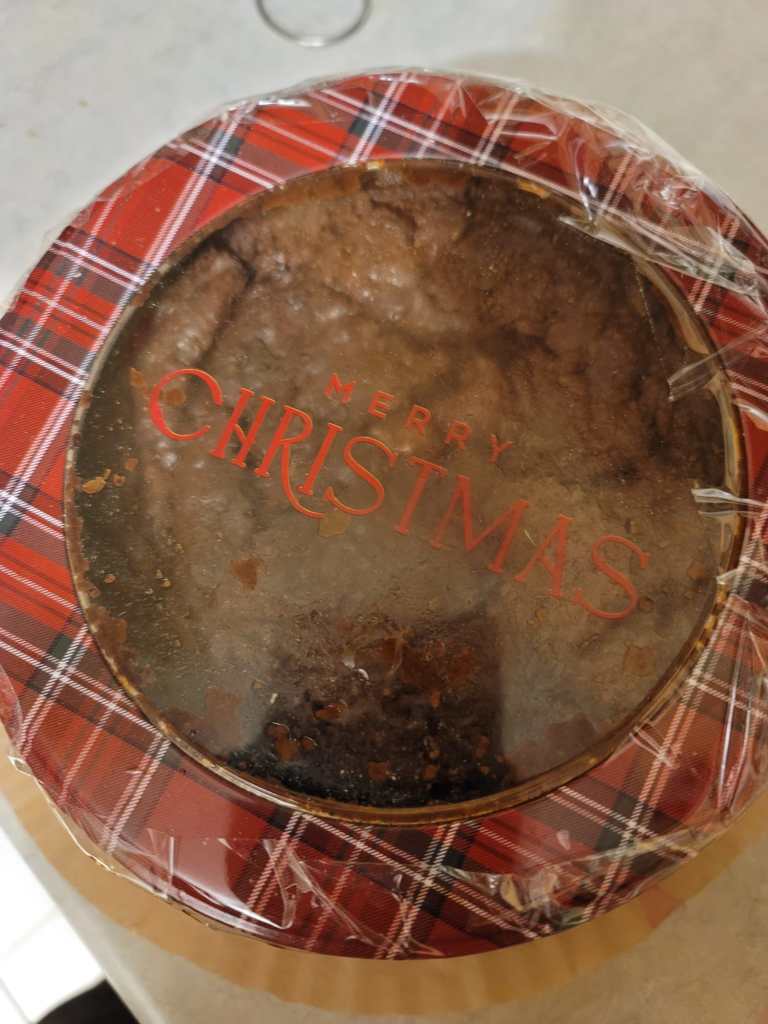
I baked my Christmas cake after Christmas.
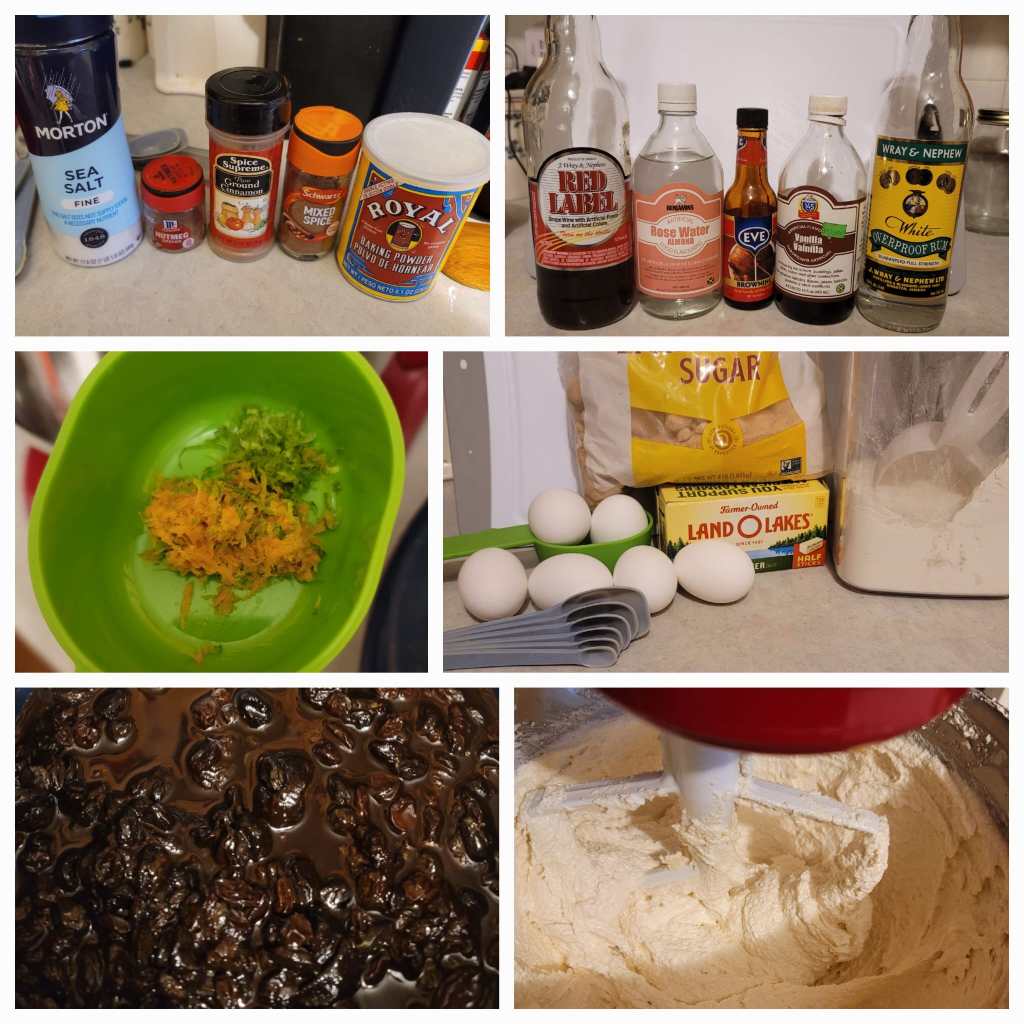
Not because I forgot the season—but because life didn’t line itself up neatly with the calendar. Pain lingered. Energy came in waves. And another quiet reason: most of my ingredients didn’t start in my kitchen at all.
They were shipped to me from my parents in New York.
What I needed came from home, crossing state lines and time, arriving later than planned—but still exactly what was required. And yet, the ingredients were still there, waiting. So I baked anyway.
Christmas cake is one of those recipes everyone has opinions about. Ask ten people how to make it, and you’ll get ten variations—what fruit belongs, how long it should soak, whether it should be dark or light, dense or soft. Some recipes are passed down like sacred text. Others are adjusted every year.
And standing in my kitchen, I realized: faith often looks like that too.
Before the Steps: The First Time I Tried
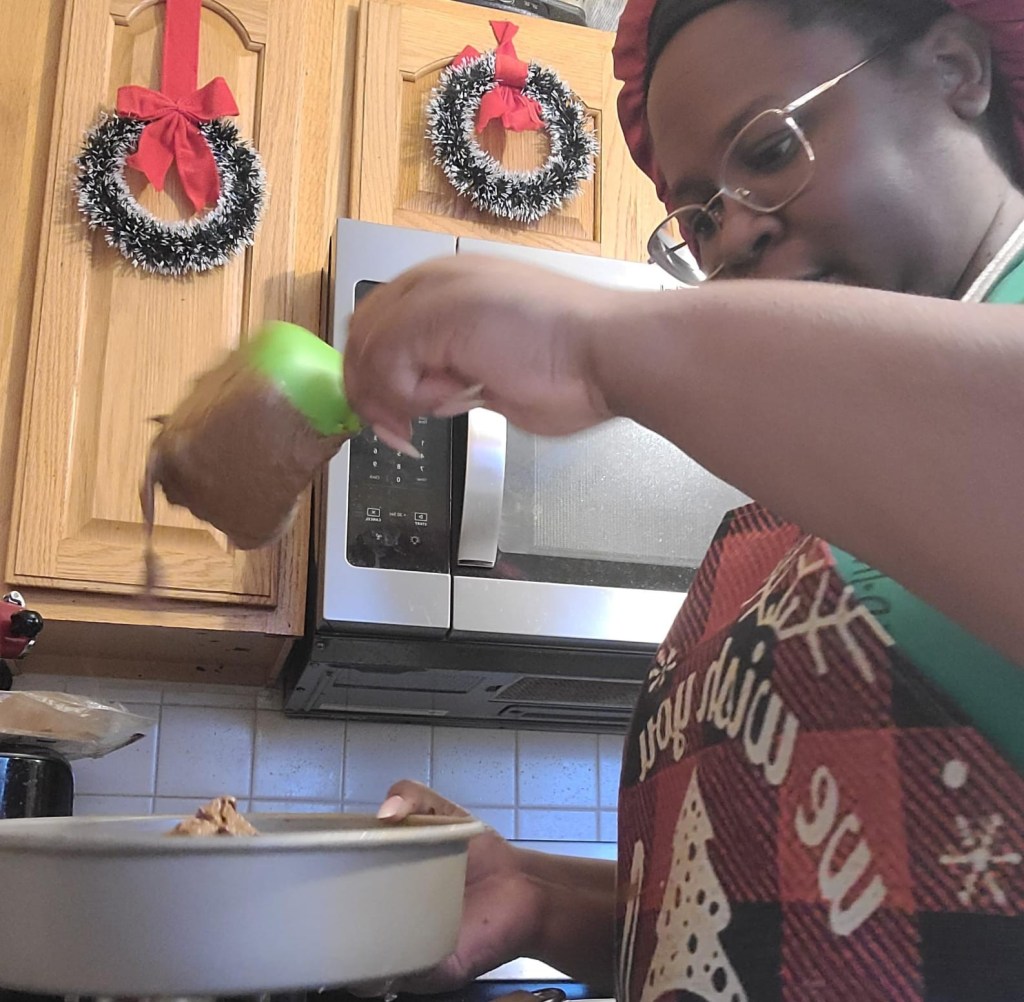
I remember the first time I ever baked this cake.
It was the first Christmas my mother was not spending the season with us in Jamaica.
My mother was known for her Christmas table. During the holidays, she would prepare a feast—doors open, pots full, cake always ready. Family, friends, neighbors, and even strangers would stop by. And the cake? She baked many. She sent them to family and friends near and far, and people genuinely looked forward to receiving one.
She never sold them. Not once.
That generosity astonished my adopted brother, Glen. He couldn’t believe she wasn’t charging anyone. In fact, he insisted on giving her money, not to buy a cake, but to help her continue the tradition. That was who she was.
When she left Jamaica that year, her friend Sis Paulette stepped in without hesitation when I asked for help. She offered me the recipe and walked me through the process, step by step. That cake turned out beautifully, far better than I expected.
I could never bake it the way my mother did, and certainly not in the volume she produced. However, I am deeply thankful today for my mother, Sis Honey, Sis Paulette, and Sis V, the women who shared their blessings with me through cake baking.
This cake has always been an adventure of women, of generosity, patience, and willingness to teach.
Aunt Novelette was visiting from the US that year, and she enjoyed the cake and the meal so much. It felt like a full circle of blessing to see her pleased. I will never forget her, or that first cake; may she continue to sleep in peace. Some memories are tied to my heart, like the cake her daughter, Kayon, sent me since I moved here; I don’t think she realizes what it meant to me at the time. Family like Althea (though it was very late), Kaydian, and Sis V, who sent me cake this year and in the past, I thank you. I will forever be grateful to be thought of.
I pray we all take the time to call upon those in our families who do something well and learn from them, so traditions can carry grace across generations.
And in the kitchen, as in faith, we gather the gifts, wisdom, and provision that arrive from others—sometimes near, sometimes far—and trust God to use them to form something beautiful in our lives.
Step One: Gathering What You Have (and Receiving What Was Sent)
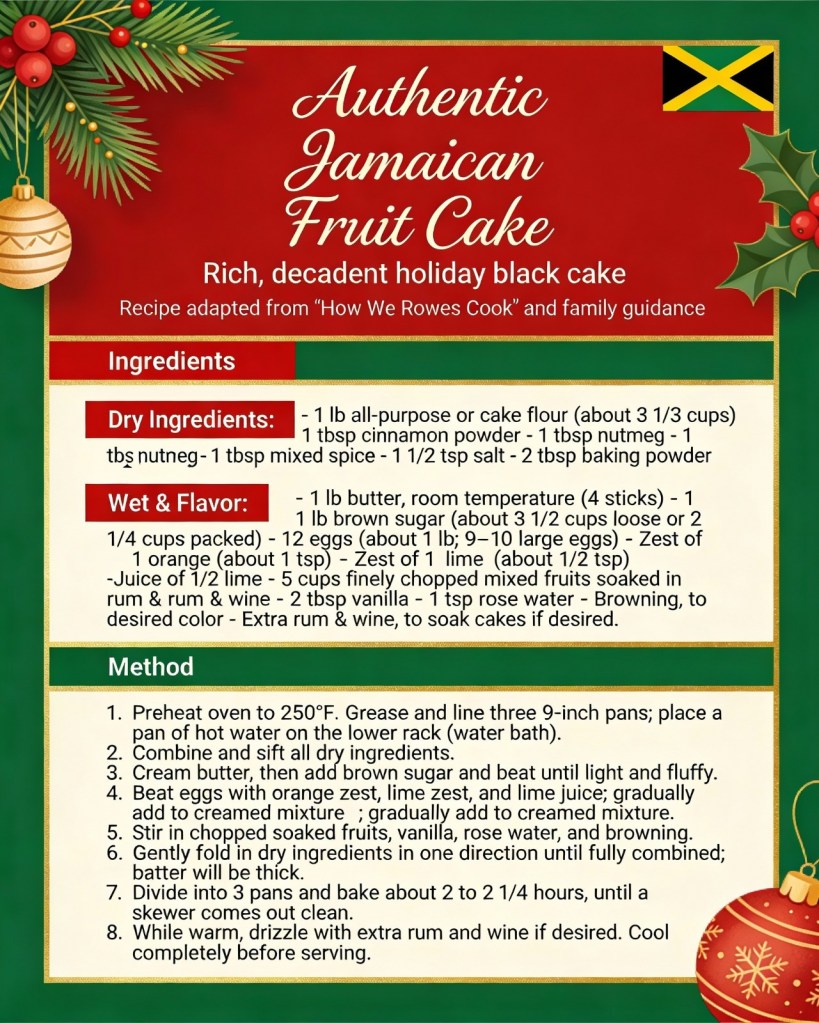
Before anything beautiful happens, you work with what’s already in front of you. Flour. Butter. Sugar. Eggs. Fruit that’s been soaking longer than expected.
And sometimes, what you need arrives from far away.
“For all have sinned and fall short of the glory of God.” (Romans 3:23)
You don’t shop for better ingredients. You don’t hide the bruised fruit. You simply bring what you have.
Faith doesn’t start with fixing yourself.
It starts with showing up.
Step Two: Trusting the Process (Even When Everyone Has an Opinion)
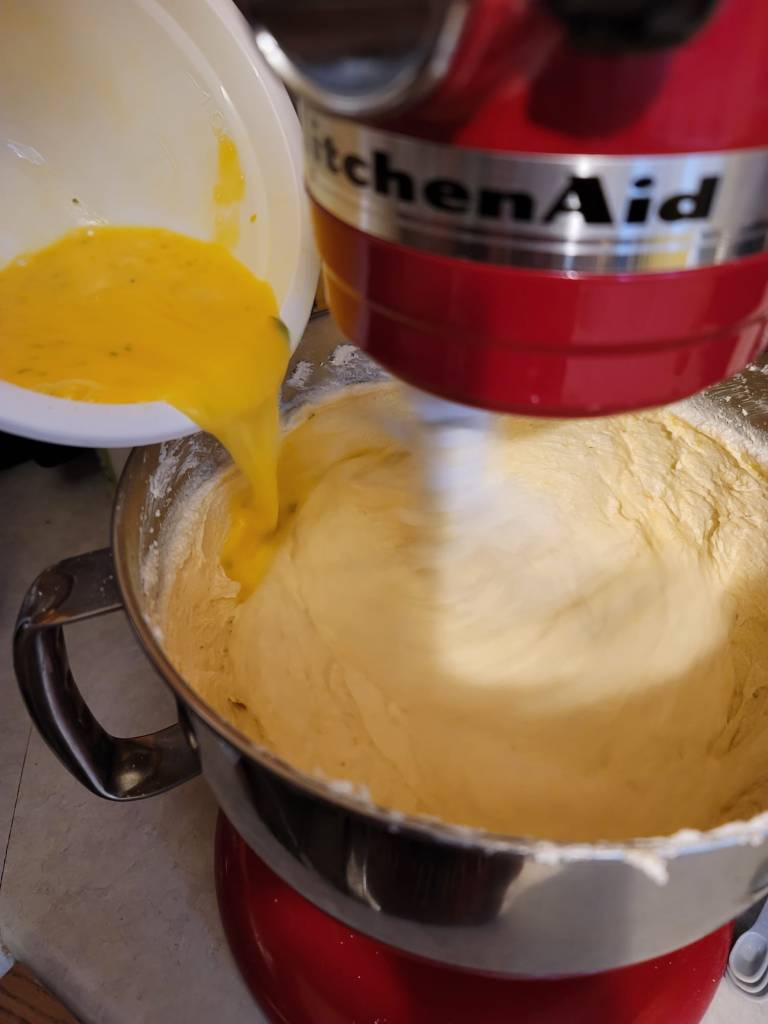
As I mixed, I heard the voices—Don’t overmix. Add the eggs one at a time. It needs more spice. Less heat. More patience.
Everyone has a version of how transformation is supposed to work.
But Scripture is clear:
“If you declare with your mouth, ‘Jesus is Lord,’ and believe in your heart that God raised Him from the dead, you will be saved.” (Romans 10:9)
Not perform. Not impress. Not measure up to someone else’s recipe.
Believe. Confess. Trust.
Step Three: The Waiting — When Nothing Looks Finished
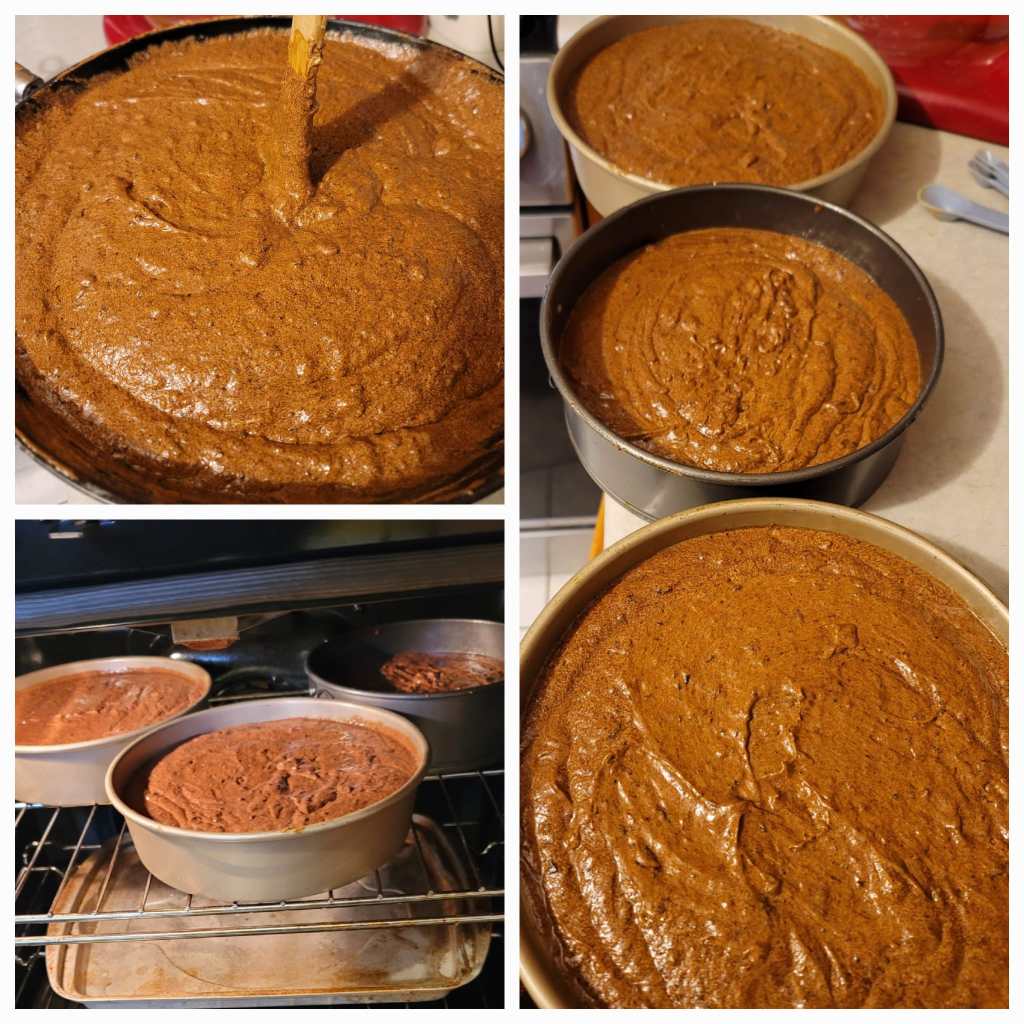
Once the cake went into the oven, there was nothing to do but wait.
This is the hardest part.
Because while the outside looks unchanged, something sacred is happening in the heat.
“For it is by grace you have been saved, through faith—and this is not from yourselves, it is the gift of God— 9 not by works, so that no one can boast.” (Ephesians 2:8–9)
Grace does its work where eyes can’t see.
Step Four: The Unveiling
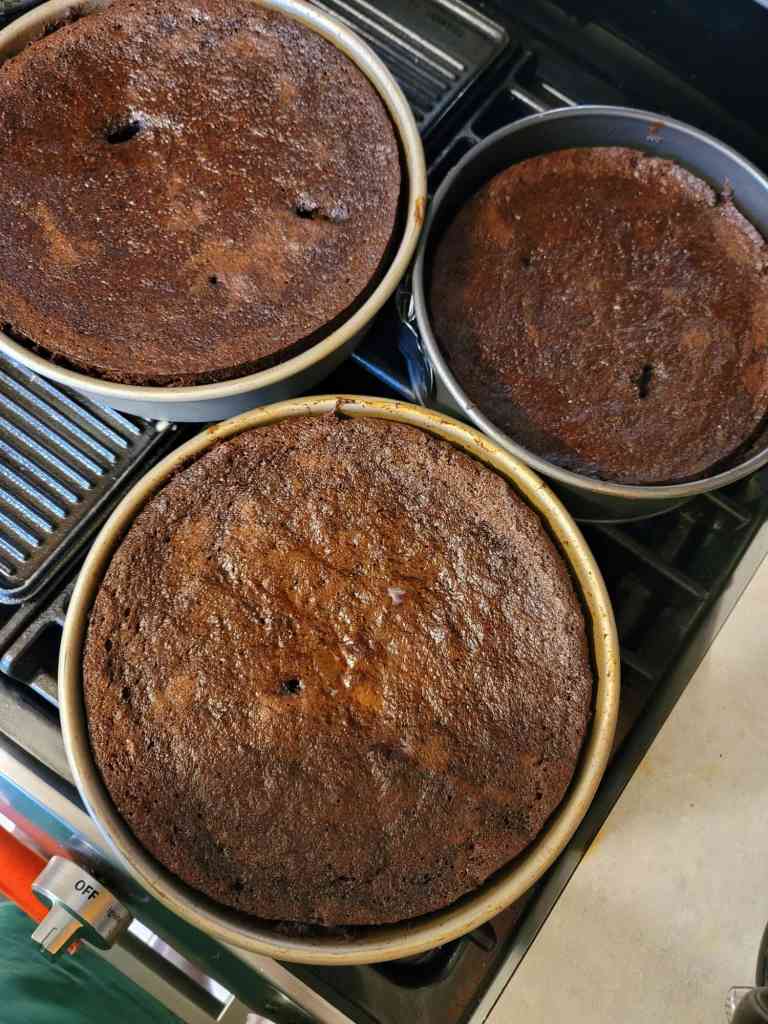
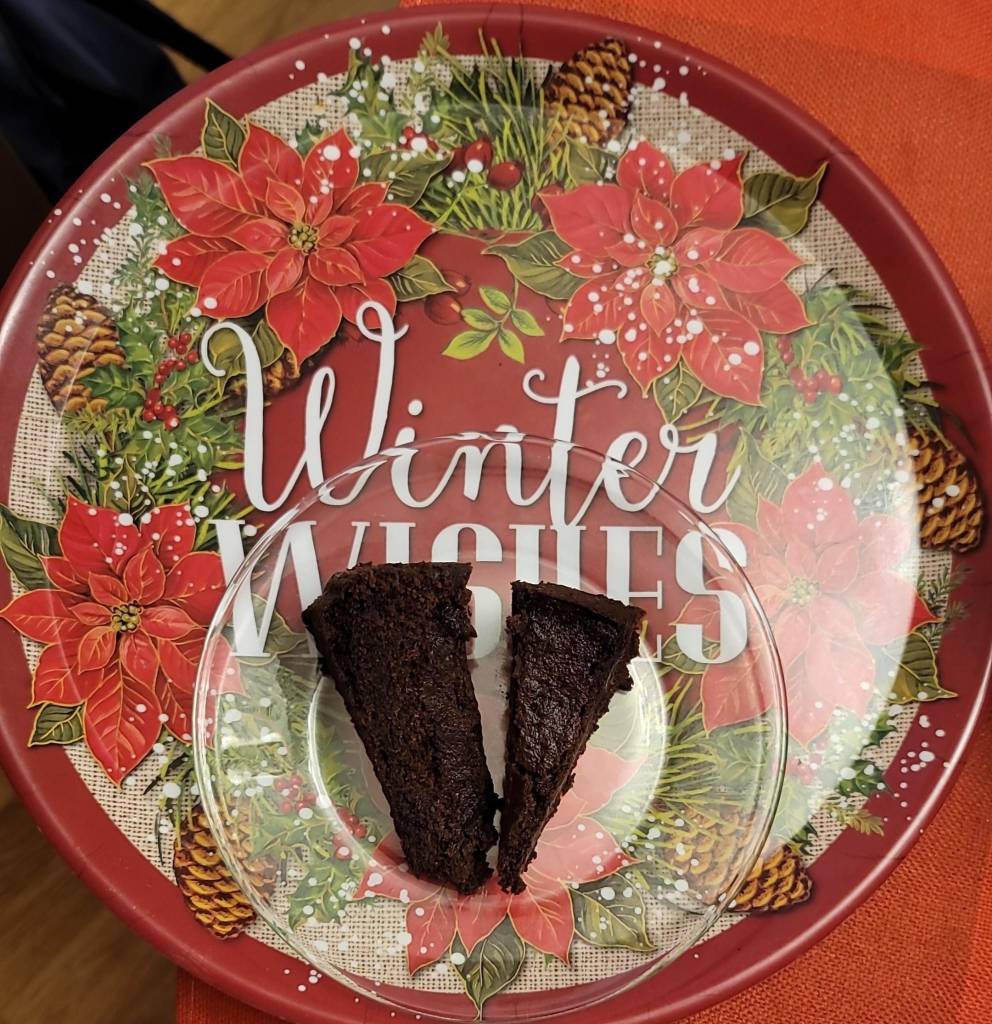
When the cake finally came out, it was darker, richer, heavier than when it went in.
Time and heat had done what instructions alone never could.
“Therefore, if anyone is in Christ, the new creation has come: The old has gone, the new is here!” (2 Corinthians 5:17)
Transformation isn’t instant—but it is real.
Let’s Eat: Salvation and Baptism
Just as each ingredient and step is necessary for the cake to come together, salvation requires a simple, faithful response: recognize your need, confess Jesus as Lord, believe He rose for you, and call on Him. Grace will do the rest. Just as my sweet-tooth husband loved my slightly sweeter cake and even asked when it would be sent to New York, salvation is something received with joy, sometimes not perfect, yet fully satisfying to those who accept it.
Baptism is the next step of obedience for those who have placed their faith in Jesus. It is a symbolic act that shows the old life has passed and a new life in Christ has begun. Just as the cake must go into the oven to be transformed, so baptism outwardly demonstrates the inward change that faith brings. It’s like tasting the first slice of a cake you baked for the ones you love—visible, joyful, and a celebration of what God has done inside you.
A Folklore Reflection: The Traveling Ingredients
Across many cultures, there are stories about sacred dishes that cannot be made from local markets alone. Certain meals require ingredients that must travel, carried across distance, time, and memory, because what gives the dish its meaning cannot be rushed or substituted.
Some flavors only come from waiting.
Some ingredients must soak.
Some elements must be sent.
That was true for this cake.
My mother sent the fruit—soaked for over a year, saturated with patience and intention. She sent the Red Label wine that could not be replicated by anything on my shelf. My father sent the Wray & Nephew rum, strong, unmistakable, carrying history in every pour.
None of those things could be sourced where I live.
They had to come from home.
Salvation works the same way.
What we needed could not be produced locally—in our own strength, effort, or goodness.
“For the Son of Man came to seek and to save the lost.” (Luke 19:10)
Grace traveled the distance.
Heaven sent what earth could not supply.
And when everything finally comes together—promise and fulfillment, faith and surrender—something holy is formed.
The Finished Slice
My Christmas cake didn’t arrive on time by tradition’s standards.
But it arrived exactly when it was supposed to.
So does grace.
“for, “Everyone who calls on the name of the Lord will be saved.” (Romans 10:13)
If your faith feels unfinished… If your season feels delayed… If your recipe doesn’t match anyone else’s
Keep baking.
Grace knows what it’s doing.
Closing Prayer
Lord, thank You for meeting us in the middle of the process. Teach us to trust Your timing, Your steps, and Your grace. May we become living testimonies of what You can do with willing hands and surrendered hearts. We also thank You for our family and friends who always think of us, who send their love, encouragement, and blessings, and who make our lives richer in every season. May You continue to bless them abundantly. in Jeus name, Amen.


Leave a Reply