The Widow of Zarephath and Elijah
Hi, I’m Tameka—welcome to Grace Across Borders, where timeless Bible stories meet classic folklore and personal reflections. Together, we’ll explore how God’s grace moves across cultures, histories, and everyday lives.
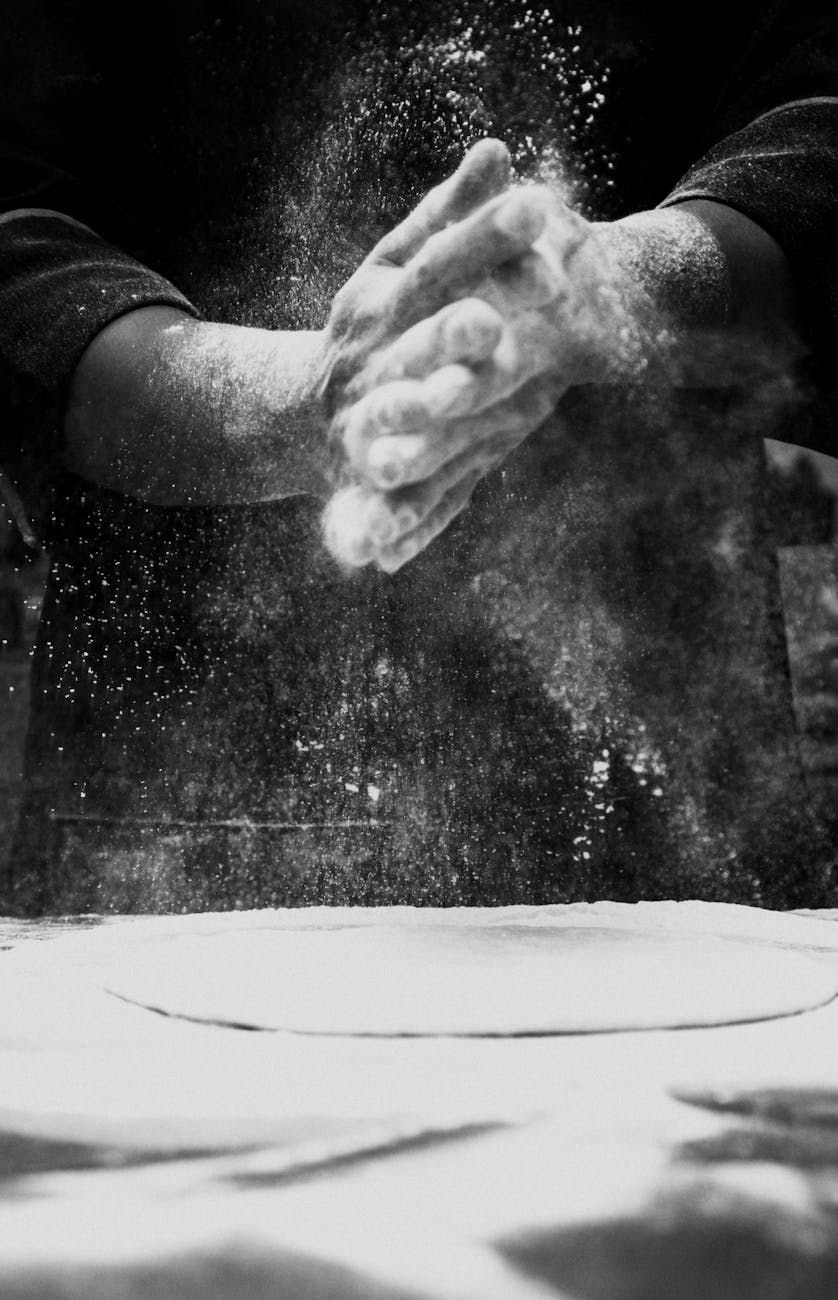
During a time of drought and desperation, the prophet Elijah was sent by God not to a wealthy home in Israel, but to a starving widow in Zarephath, outside the borders of God’s chosen people.
She is gathering sticks for what she believes is her last meal with her son.
Yet, God chooses her as the vessel of provision. When Elijah asks for bread, she responds honestly:
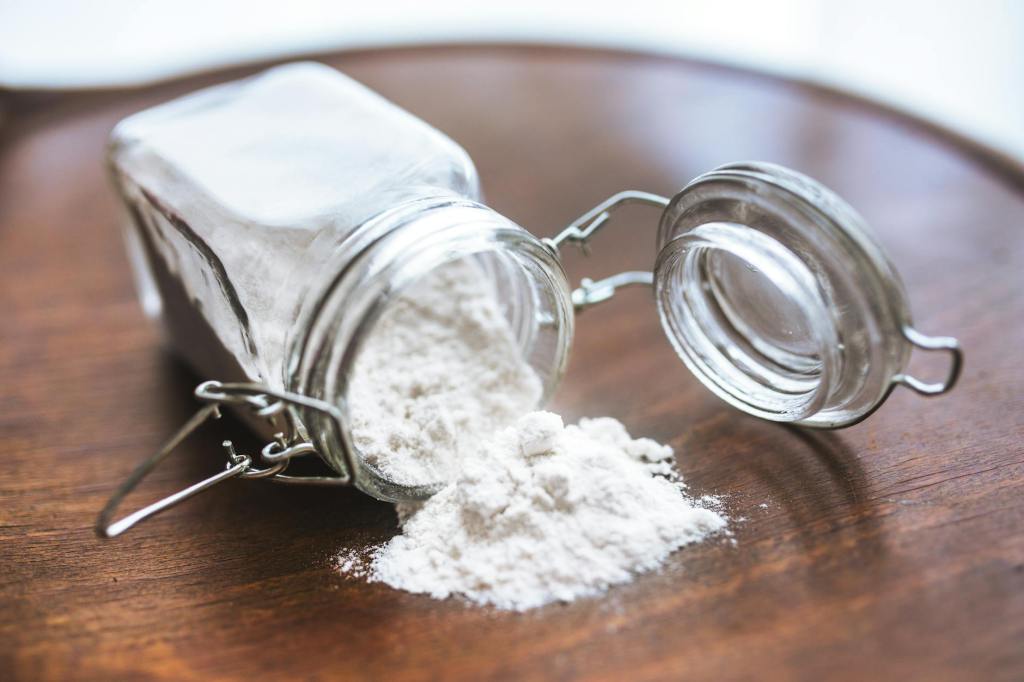
“I have only a handful of flour in a jar and a little olive oil in a jug.” Still, at Elijah’s word, she bakes him a small cake first, and the miracle unfolds—the flour and oil never run out.
Oh, what a blessing!
This story breaks boundaries: a Gentile woman becomes a prophet’s provider.
A moment of scarcity becomes a wellspring of abundance.
And in the midst of political, ethnic, and economic hardship, God reveals Himself as the sustainer across every border.
What is God asking you to trust Him with, even when it looks like you have only a handful left?
And isn’t that just like God?
Taking what looks like barely enough and turning it into more than we imagined, especially when we’re willing to share it in faith.
Stone Soup
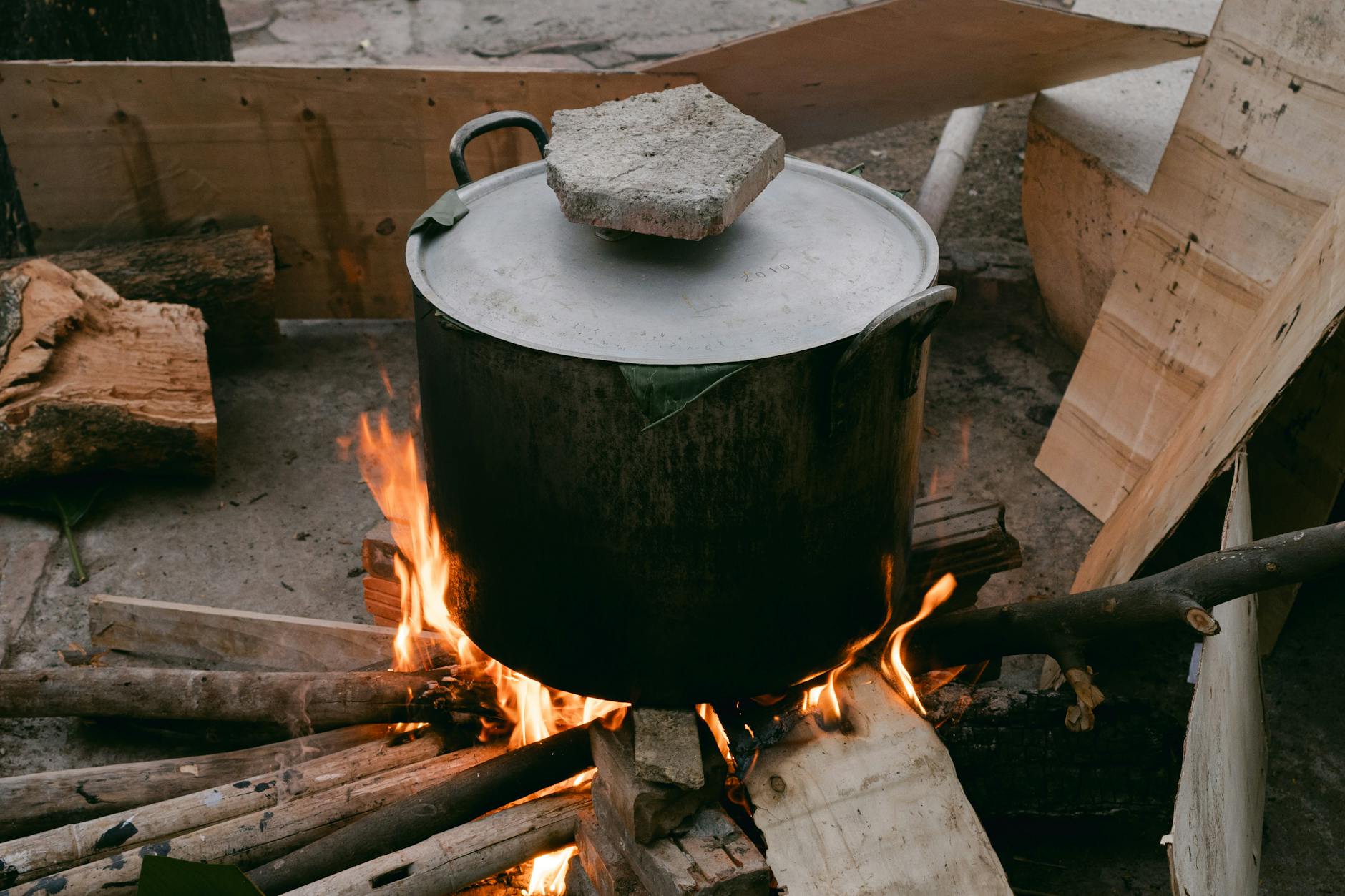
This reminds me of the well-known folktale Stone Soup, where a group of hungry travelers arrive in a village carrying nothing but an empty pot and a simple stone.
Much like the widow in Elijah’s story, the villagers believe they have nothing left to offer.
Yet, through curiosity and community, something remarkable happens.
When the travelers announce they will make soup from a stone, the villagers gather around, intrigued.
One person adds a carrot, another offers a potato, someone else contributes a bit of meat.
Slowly, the pot begins to fill, transforming scarcity into a nourishing, abundant meal.
Just as the widow’s handful of flour became a source of endless provision, the villagers discover that by coming together and sharing what little they have, faith and generosity can turn even the smallest offerings into something sustaining and life-giving.
Faith in the Middle of Nothing

Last night, after spending nearly 12 hours in the library—heavily medicated and just doing my best to catch up—I found myself reflecting on my dear friend, Sis. Andrea.
It’s been over 16 years, but her act of kindness still echoes in my spirit.
I had just come to America and didn’t have much. I was trying to stay afloat, navigating a new country, a new life, and a health scare with my son.
That Sabbath at church, I was tired and worried, preparing for a round of doctor’s appointments to figure out why there was a swelling on his neck.
As the service ended, Sis. Andrea came up to me. She didn’t ask how I was—she didn’t need to. She gave me a warm hug, whispered, “It will be well,” and gently slipped something into my hand.
I smiled, thanked her, and tucked it into my bag, assuming it was a small blessing—maybe $20. I didn’t look right away. After all, church was done, and life was still waiting for me.
On the drive home, I remembered the moment.
I opened my bag and looked.
It wasn’t $20—it was $200.
I screamed.
My parents, startled, did the classic Scooby-Doo turn and asked what happened. When I told them, my mom just shook her head and said calmly, “Sis. Downes is something else, God bless her.”
At the time, I had only seen her once before. She was a teacher with two boys of her own. She didn’t owe me anything—she barely knew me. But she gave.
The following week I asked her, “Why did you choose to bless me like that?” And she smiled and said simply,
“We have to look out for each other, baby Sis.”
That day marked me.
Not because of the money, but because of the love.
The care.
The way she saw me when I felt invisible.
Her generosity reminded me of the widow of Zarephath. Of the villagers in Stone Soup.
She became a vessel of God’s provision just by opening her hand.
(This is the part where I would post Sis Andrea’s picture. I know she is a very private person, but if you know her, remind her that she makes a difference every day).
Reading these three stories side by side reminds me how often I convince myself I have too little to offer:
Not enough time,
Not enough money,
Not enough strength.
But God never asks us to give what we don’t have.
He invites us to trust Him with what we do.
Whether it’s a spoonful of flour, a stone in a pot, or a quiet $200 slipped into a stranger’s hand, grace multiplies when we release it.
These stories stretch my view of who God chooses.
The widow was an outsider.
The villagers were ordinary.
Sis. Andrea was a stranger.
The miracle didn’t depend on wealth, title, or religious status,
but on a heart willing to say, “It will be well.”
So I wonder: Who are the “widows of Zarephath” in our communities today? And how can we honor the unexpected vessels of grace God places in our path?
In a world so divided, these stories remind me that God still crosses borders—cultural, ethnic, emotional—to sustain and to save.
All He asks is that we open our hands,
Even if all we hold is a handful of flour.
I cherish stories like these because even when I feel like I have nothing left—
God sees me.
And He sees you.
Trust Him.
I am forever thankful for everyone who has poured into me over the years. Your kindness, prayers, and generosity have shaped my journey in ways I could never fully express. Thank you from the bottom of my heart!
Spread the word, see you next week

If this story resonates with you. Please like, share, subscribe, and comment.
Help me get the word out about this bit of positivity.


Leave a Reply