
Hi, I’m Tameka, and welcome to another post from Grace Across Borders.

Before we dive in, I want to thank you for your grace and patience. This post is arriving later than planned due to a mix of life’s interruptions—ongoing health challenges, a full load of schoolwork, and attending a conference where Wi-Fi was limited. Honestly, I was overwhelmed. But as I prayed and waited, I realized: even delays carry purpose.
So thank you for sticking with me.
Today’s post is deeply personal. It comes from a place of hurt, betrayal, and, most of all, choosing grace when revenge felt easier. I invite you not just to read it, but to reflect and pray with me. Maybe even think about your own borders—where love and hurt have met—and what grace looks like on the other side.
If this post touches you, would you share it with someone who may need it? Would you pause and pray for someone who’s hurt you? Or simply sit in stillness and let grace meet you where you are?
Now, let’s journey together.
When Kindness Is Met with Cruelty

There’s a kind of grace that stretches across borders—not just geographic or cultural, but emotional. The kind of grace that calls you to give when it hurts, love when it’s not returned, and serve even when no one says thank you.
A while ago, a friend of mine was diagnosed with cancer while on assignment with the Navy—far away from family and support. She was going to battle it alone. I couldn’t bear that, so I stepped in. I drove her to her appointments. I got up at 4 a.m., canceled my own responsibilities, and waited through not one but two surgeries.
Then—she vanished.
I tried calling her, worried. Did the cancer win? Why isn’t she answering my calls?
No answer. I tried from a different number, and she picked up, sounding distant. She promised to call back. When she did, her words were harsh—vulgar even. She asked angrily, “Why did you call me?” I knew in that moment that the friendship was over.
I hung up. Not because I was finished speaking, but because I didn’t want to respond in the manner she deserved. I wanted to honor God, even while being dishonored by someone I had sacrificed for.
The next call I received was from the police. She had gone in to file a restraining order against me. She told them she had cut off our friendship months ago and that I was harassing her. I was stunned. Me? The one who stood beside her when no one else did?
I felt betrayal like a knife in my chest.
The officer told me calmly: “We’re not taking action, but if she brings proof of continued contact, we will have to follow up. Just avoid her.” I said nothing more. I didn’t fight. I didn’t retaliate. I hung up the phone and fell into prayer.
At first, the enemy whispered, Get back at her. Make her feel what she’s done. But then God spoke louder: Leave room for Me. Forgive. Pray.
I went to my church family, the ones who knew what I had done for her, the ones who prayed with me for her daily, and I asked them to pray. Not just for me, but for her. Clearly, something was wrong beyond what I could see. I remembered the story of Jesus and the ten lepers. And suddenly, I understood it in a new way.
Only One Turned Back

Jesus was traveling between Samaria and Galilee when ten lepers cried out from a distance: “Jesus, Master, have mercy on us!” They didn’t just want healing—they needed to be seen, included, loved.
Jesus didn’t touch them. He didn’t ask questions. He just said, “Go show yourselves to the priests.” They obeyed—and on the way, they were healed.
But only one came back to thank Him. A Samaritan. An outsider.
I saw myself in that moment. I felt not as the leper—but as Jesus. Giving, serving, healing, and being abandoned. It reminded me: even when we do good, we may not be thanked. We may even be falsely accused.
Still, like Jesus, we are called to extend grace.
The Selfless Tree (Indian Tale)
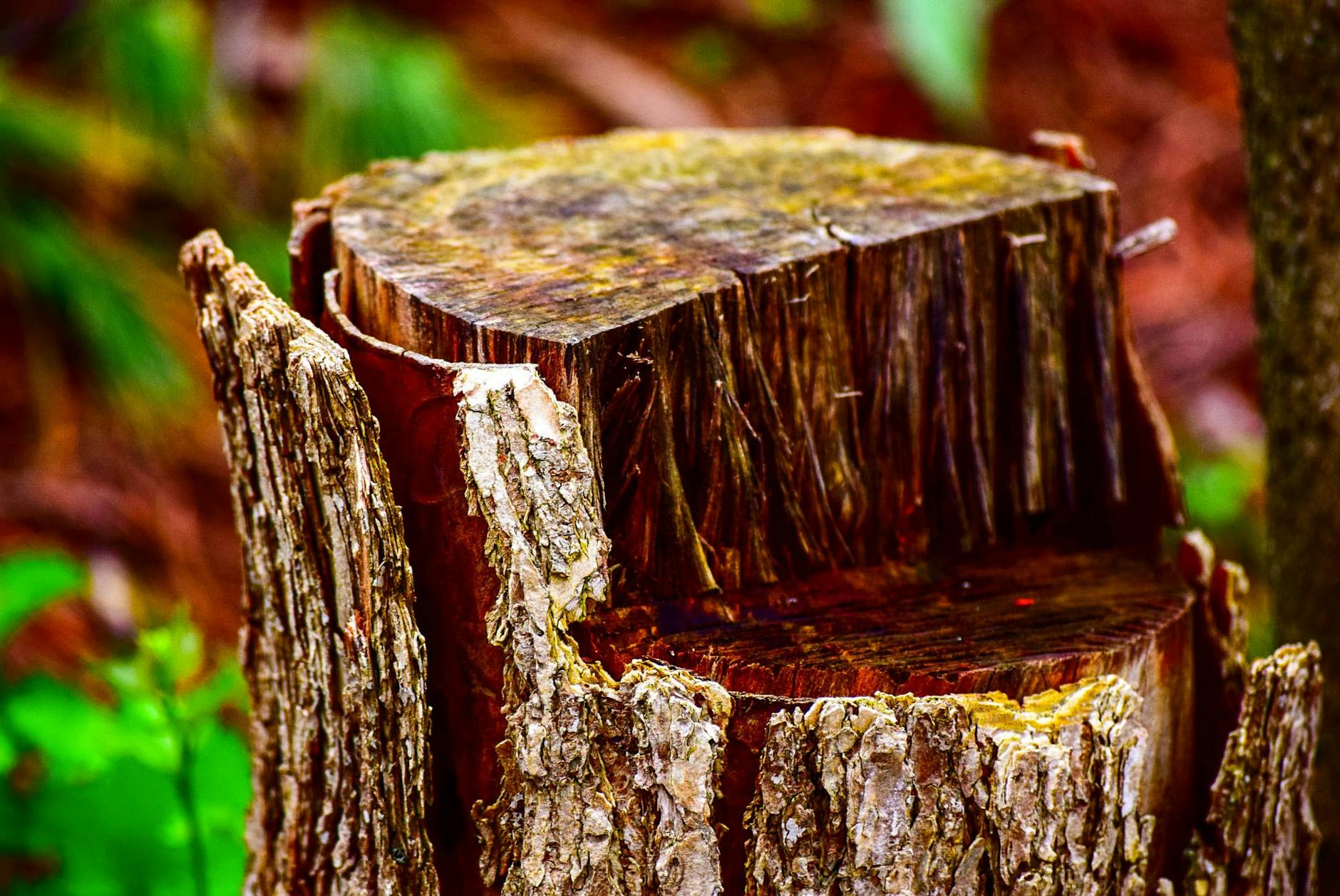
Long ago, in a quiet forest, there stood a tree who loved a little boy.
Every day, the boy would come to the tree to play. He climbed her branches, swung from her limbs, and rested in her shade. The tree was happy.
As the boy grew older, his visits became less frequent. But every time he returned, he came with a need—and the tree gave.
When he was hungry, she offered her apples.
When he needed money, she said, “Take my fruit and sell it.”
When he needed a house, she offered her branches to build it.
When he wanted a boat to escape life’s disappointments, she gave her trunk.
Each time, she gave a little more of herself—until nothing was left but a stump.
Years later, the boy—now an old man—returned, weary, broken, and tired.
“I have nothing left to give,” said the tree, “but you can sit and rest. I will hold you one last time.”
And the tree was happy.
A Prayer Across the Border

Lord,
You see hearts we cannot.
You hear cries behind the anger, and pain behind the betrayal.
Thank You for giving me the strength not to retaliate,
but to release.
Cover my friend with grace—yes, even now.
Whatever brokenness she carries, meet her there.
And when I feel empty like the stump of that tree,
remind me: You still use stumps.
You still give peace.
Amen.


Leave a Reply