
Sometimes, I wonder why I am drawn back to this kind of reflection in my blog. If it were up to me, it might read more like Louise Bennett’s Uriah Preach—a poem that shouts out wrongs, venting frustration, and calling out those who have hurt you. In it, young Uriah climbs the pulpit while the pastor is absent and lashes out at neighbors and teachers. It’s raw, honest, and unfiltered—the voice of a young man seeking justice in his own way.
If this were my blog, it might sound that way too—full of anger, full of emotion, full of me. But this space is not about me alone. This is God’s leading.
There is a part of me I try to control when I write—the part that wants to vent, to name, to justify. And yet, each time I lean that way, God gently redirects me. He reminds me that this space is about His truth, His grace, and His work in me.
I write so that I—and we—may be ready when He calls us home. To stand before Him, not shamed by the past, not burdened by failures, but held in His grace.
Even when life is messy, even when judgment circles around us, God’s grace is present, and His work continues.
Let’s Reflect

Growing up, I judged. I judged boldly, silently, and with a straight face that told the whole story for me.
Divorced? Must be your fault.
No children? That must be something you did.
Not working? I assumed you were avoiding responsibility, because didn’t Scripture say we should eat by the sweat of our brow? I didn’t ask what they were facing.
A lot of times, I didn’t say these things out loud—but I thought them all. And whether we judge silently or openly… we judge. I thought it was our job.
Now, I find myself praying for couples who haven’t been blessed with children—because someone long ago decided this would be faith. I’ve suffered bitterly through divorces. I am not working. These are just a few of the judgments that once felt easy to place on others, and now circle back to my own life.
And one judgment I never had against anyone—but now struggle with myself—is believing I’m not fit to do what God has called me to do. Before I even knew the Scripture that God qualifies the called, I was already disqualifying myself. I did it myself before anyone else did.
I thought of Moses and all his excuses. I thought of Joseph in the pit, about to lose the dream God gave him. I thought of all the stories where God’s people doubted themselves while God kept speaking purpose over them.
Bible stories are my love—but they also show me this:
Delay is not the end.
Past mistakes are not the end.
Judgment is not the end.
Jesus is loving. Jesus is forgiving. Jesus restores.
So who am I not to follow His lead?
The Cracked Pot

There is a folktale about a water-bearer with two pots—one perfect, one cracked. Every day the cracked pot leaked water and felt ashamed.
“I’m a failure,” it said.
“I’m not enough.”
But the water-bearer smiled.
He told the pot to look at the path on its side—flowers were blooming.
“I knew about your crack,” he said.
“So I planted seeds along your side.
Every day, as you leaked, you watered them.
If you were perfect, I would have no flowers.”
For years, I treated people’s cracks as signs they were outside God’s will. Then my own cracks appeared, and shame tried to disqualify me.
But God had already planted seeds. He already knew where I leak. And He planned beauty for that very place.
The things I once judged in others became the very things God used to soften me, humble me, and make me more like Him.
Not convinced? Let’s go to the Word.
Paul Writes
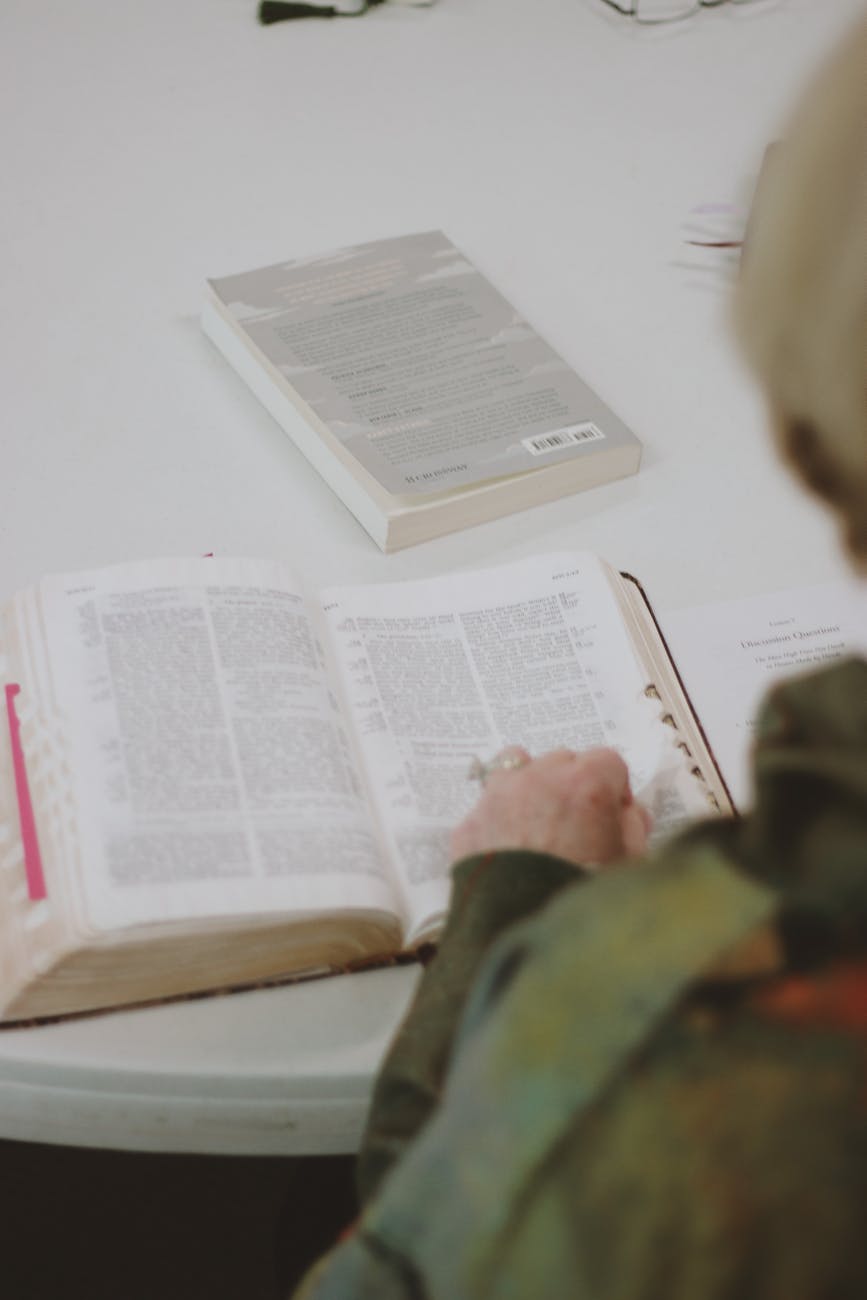
Paul, formerly known as Saul, was a Jewish Pharisee who became one of the most influential apostles in the early church. He traveled extensively, planting churches, teaching believers, and writing letters that guided the early Christian communities. His authority comes not from his human status, but from his calling and commission by Jesus Christ Himself. Paul’s letters—like Romans—were intended to instruct, correct, and encourage believers in living faithfully in accordance with God’s Word.
In Romans 14, Paul addresses a church struggling with the issue of judgment among its members. People were criticizing one another over food choices, observing special days, spiritual maturity, and personal lifestyles. Some were elevating themselves and condemning others, forgetting that God alone is the Judge.
Romans 14:10–12 (NIV)
“You, then, why do you judge your brother or sister? Or why do you treat them with contempt? For we will all stand before God’s judgment seat. It is written: ‘As surely as I live,’ says the Lord, ‘every knee will bow before me; every tongue will acknowledge God.’ So then, each of us will give an account of ourselves to God.”
Paul’s words are a clear reminder: God calls us to humility, compassion, and patience. We are accountable for our own lives, not the lives of others, and judgment must always be tempered with grace and discernment rooted in Scripture.
Closing Reflection & Prayer
God’s presence is everywhere. Even when people deny Him or the world overlooks Him, He is still moving, teaching, shaping, and speaking. I try to convey this through folklore, Bible stories, and my own journey. The cracked pots, the stories of Moses and Joseph, and the parables and tales all show that God uses brokenness, delays, and human imperfection to reveal His beauty, His purpose, and His love.
Romans reminds us:
We will all stand before God’s judgment seat.
Not before people.
Not before our past.
Not before our failures.
Not even before our own inner critic.
God is the Judge.
And thank God for that.
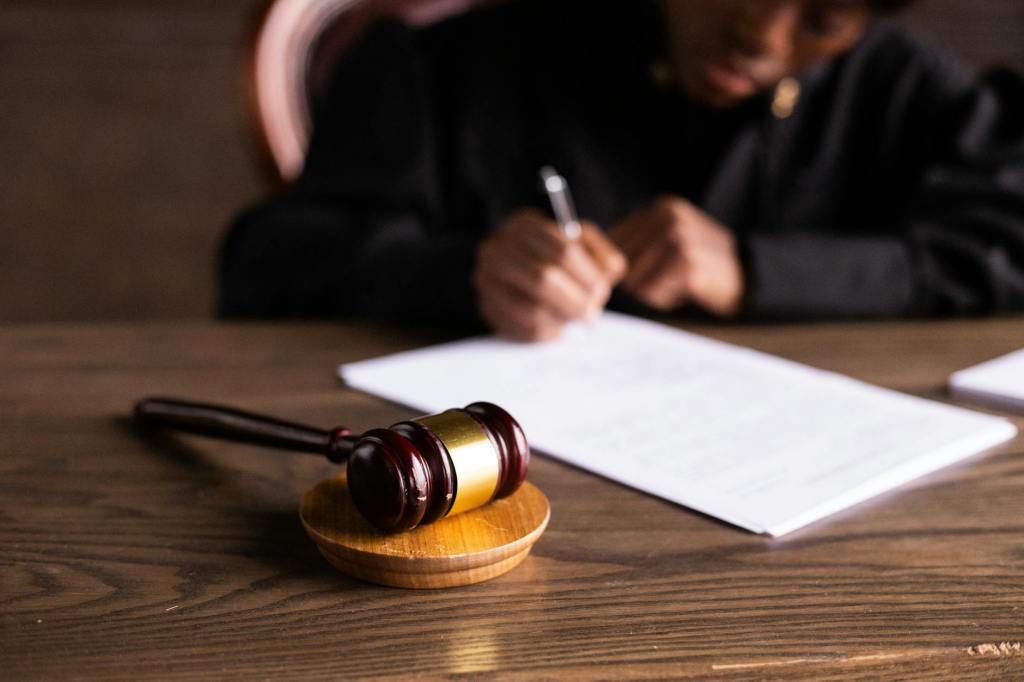
So today, may we put the gavel down.
May we release judgment—of others and of ourselves.
May we accept that God is still working on us, shaping us, planting along our path, and using our cracks for beauty.
And may we step into our calling—cracks, delays, battle scars, and all—trusting that the God who sees all will finish what He started in us.


Leave a Reply