
I once told myself that when I write, I would do so under a pseudonym, a deliberate choice to let the work speak before the name attached to it. It feels easier than letting people know who you are, because once they know you, they judge the work through the lens of your life. They weigh your words against your past. And, whew, do I have a past. Don’t we all?
Some sins were mine. Some were projected onto me. I don’t make time to defend either anymore. Let’s be honest: if someone wants to believe you are capable of the worst so they can feel better or look right, why bother arguing? Silence is not weakness; sometimes it’s wisdom.
Reflection

Recently, someone said something to me about one of my children—something they claimed they had done long ago—as if to rub it in my face and suggest that what is happening now is karma. I laughed and stayed silent for the rest of the conversation. Not because it didn’t sting, but because I’ve learned this truth: not everyone who smiles with you is celebrating you.
What I was sharing with them had nothing to do with my children. Yet they seized an opening to wound me, linking their past hurt to my present moment. In that instant, I was forced to choose restraint. My emotional intelligence felt shaky at best, but I allowed them to finish—and I have kept my distance since.
I thought I had forgiven the lie long ago. But forgiveness does not require pretending. If something can be hidden for more than five years against me—yet smiled through, talked around—then something sacred has already been broken. Discernment sometimes sounds like silence.
Now I know this person may read my blog. And that is okay. This space is not written to defend myself, explain my past, or manage anyone’s opinion. It is written to tell the truth with wisdom.
Your wins are yours.
More About Jesus
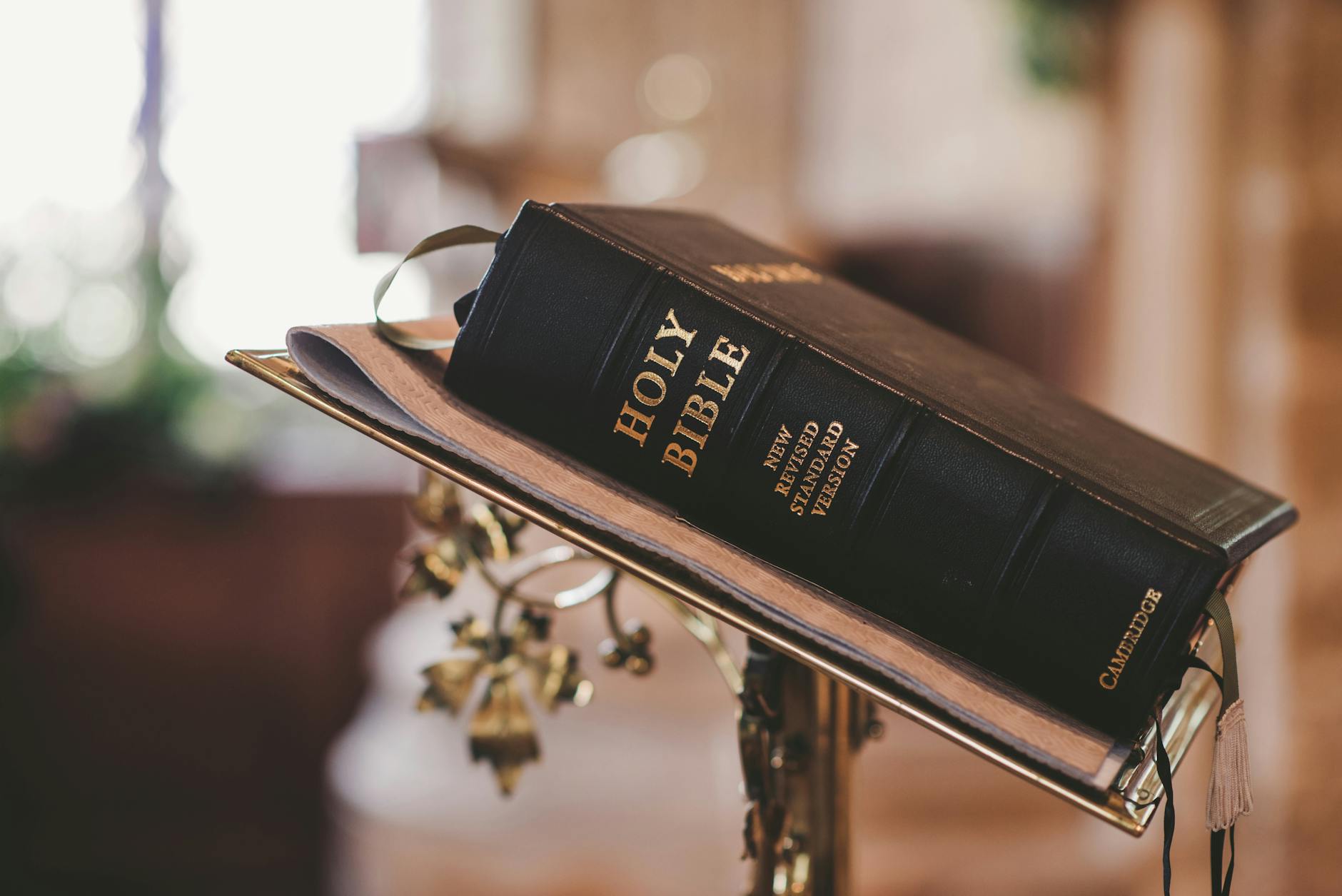
That realization always pulls me back to Scripture. There are several moments in the Gospels when Jesus does something undeniably good—heals the sick, restores dignity, changes a life—and then tells the person, “Don’t tell anyone.” He says it after healing a leper, after restoring sight, after raising a child. Again and again, Jesus chooses restraint over publicity. Goodness, in His hands, did not need a microphone.
That detail matters to me.
We live in a world that demands announcements and applause, but Jesus often moved in quiet obedience. Sometimes the miracle was for the person alone. Sometimes the timing mattered. Sometimes the work of God was too holy to be handled by public opinion.
And then there’s that familiar line that stings every creator, every dreamer, every called person trying to do something different: “A prophet is not without honor, except in his own town.” (Mark 6:4)
Jesus wasn’t rejected by strangers first—He was dismissed by people who knew His name, His family, His history (Mark 6:1–6; Matthew 13:53–58; Luke 4:16–30). They couldn’t hear the wisdom because they were too familiar with the background. Isn’t that still true? People often struggle to receive truth from someone whose past they think they understand.
That’s why criticism can be loudest when you are trying to do God’s work in a new way. Write a book. Start a ministry. Heal publicly. Grow visibly. Suddenly the focus shifts from the work to the worker. From the message to the mess.
Sometimes, even good things do not need to be shared.
Let them hear about a great book and wonder who wrote it. Let the work speak before the name. Let God handle the introductions.
The Quiet Well

There is an old folktale about a village well that produced the cleanest water anyone had ever tasted. Travelers came from far away, praising the water and blessing the village. But the villagers argued constantly about who deserved the credit—the builder of the well, the owner of the land, the one who first found the spring.
One night, tired of the noise, the spring dried up.
When the villagers cried out, an elder said, “The water flowed when it was given freely. It stopped when you demanded recognition.”
The well was eventually restored—but only after the village learned to draw quietly.
Maybe that’s the lesson.
Do the work. Love well. Create faithfully. Heal where you are sent.
And if God asks you to be quiet for a season, trust that silence can be sacred too.
Prayer
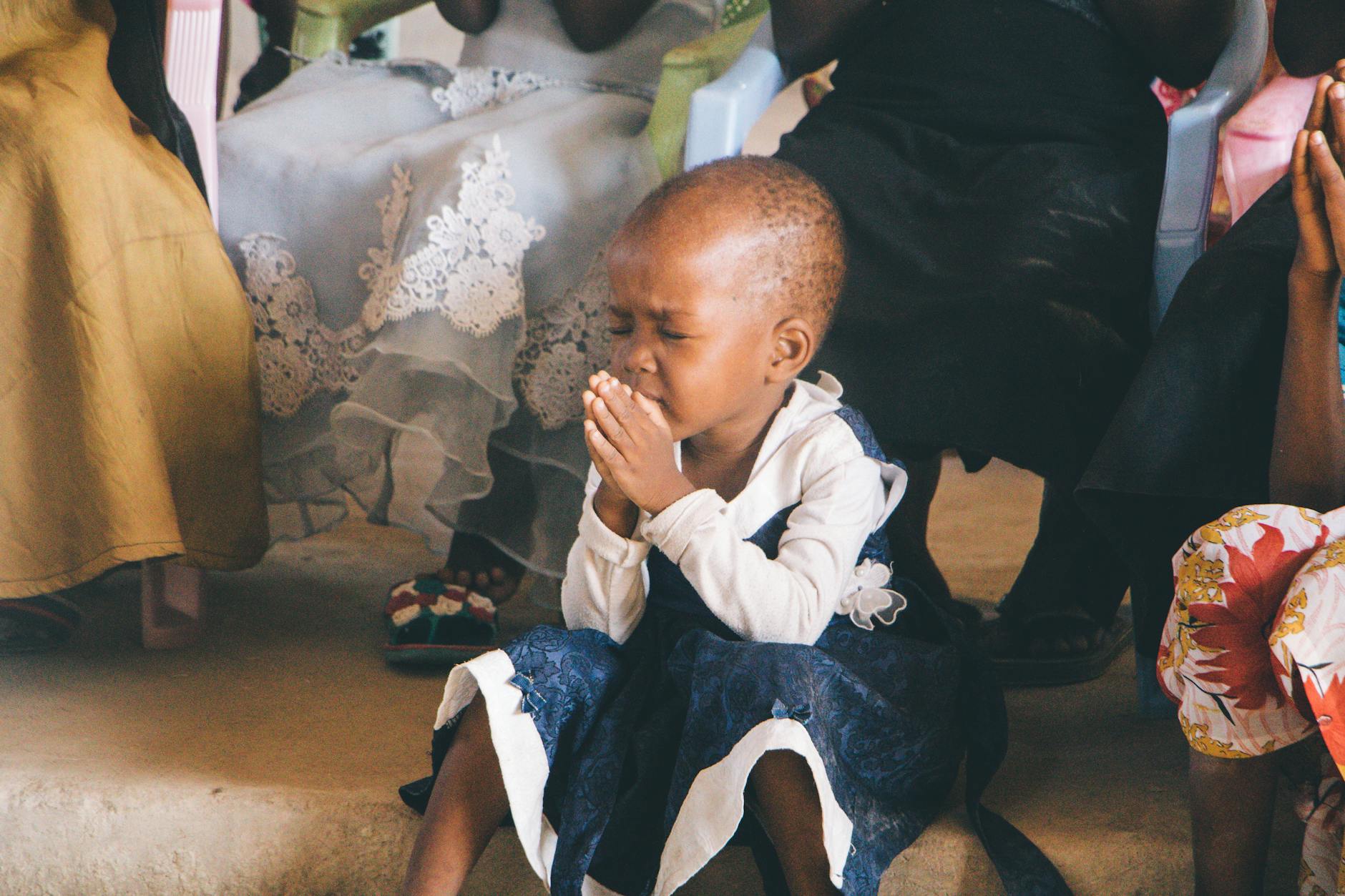
God of quiet strength and unseen faithfulness,
Teach us the discipline of grace when applause is absent. Help us to choose restraint over reaction, wisdom over explanation, and truth over performance. Heal the places where words were used as weapons and silence became necessary. Give us discernment to know when to speak and courage to remain still when You call us to quiet obedience.
Guard our hearts from bitterness, and anchor us in the confidence that You see what others misunderstand. May our work, our love, and our faith be offered to You alone—whether recognized or ignored.
Amen.
Call to Action

If this reflection resonated with you, consider where grace may be asking you to be quieter, not smaller—but more intentional. Share this post with someone who needs permission to stop explaining themselves, or take a moment to sit with God and ask where silence might be an act of obedience rather than retreat.
Grace does not need applause—only faithfulness.


Leave a Reply