When Reflection Comes Full Circle
Sometimes the simplest acts of generosity reveal God’s heart—like walking past a fruit tree and realizing it was meant to feed anyone who needed strength for the journey.
This week, my reflections came full circle. I found myself sitting with deep frustration and sadness after watching a video of people storming a church, angry at the pastor and leadership. I didn’t share the video because I agreed with how the church was treated, but because it reflected something deeper: people are hurting, angry, and afraid. And somewhere in the middle of that noise, I realized I needed peace on the topic.
Later, during our daily reflection, Sister Jem mentioned a piece of folklore that felt strangely familiar. Something in it stirred me, and I went searching for the full story.

The Woman and the Hunchback
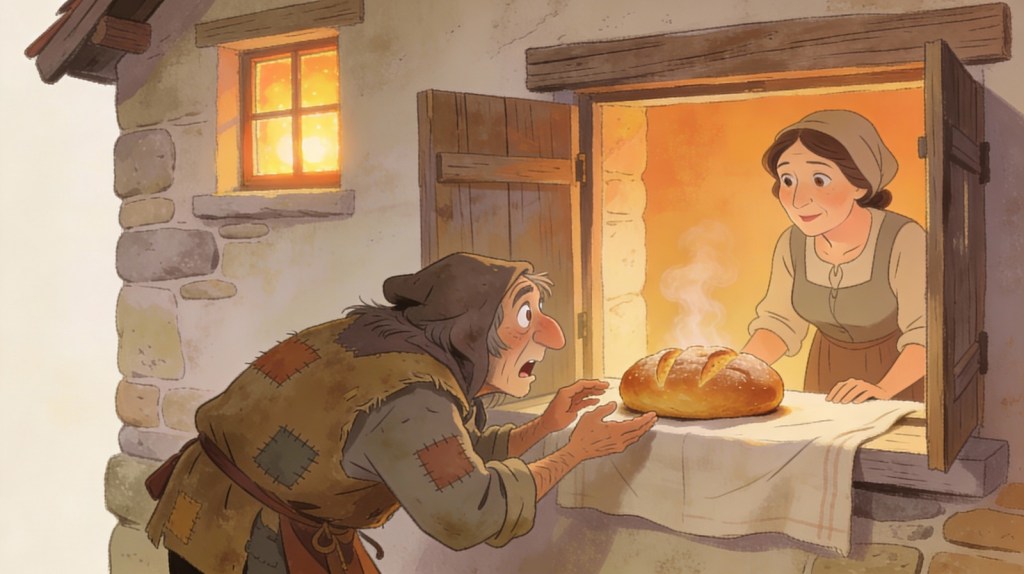
The folklore tells of a woman who baked bread daily and placed an extra loaf on her windowsill for anyone who was hungry, passersby, the homeless, the poor. Each day, a hunchbacked man would take the bread and say, “The evil you do remains with you; the good you do comes back to you.” Over time, the woman grew frustrated. She judged him as greedy and ungrateful.
One day, in anger, she considered poisoning the bread. But before setting it out, she changed her mind, threw the poisoned loaf into the fire, and baked a fresh one. Later that same day, her son returned home and told her he had nearly collapsed from hunger on the road—until a hunchbacked man gave him bread that gave him the strength to make it home.
Her act of kindness had come full circle. What she almost withheld in bitterness would have harmed the one she loved most.
Grace often works like that, quietly, invisibly, beyond what we can immediately see.
Scripture at the Edges
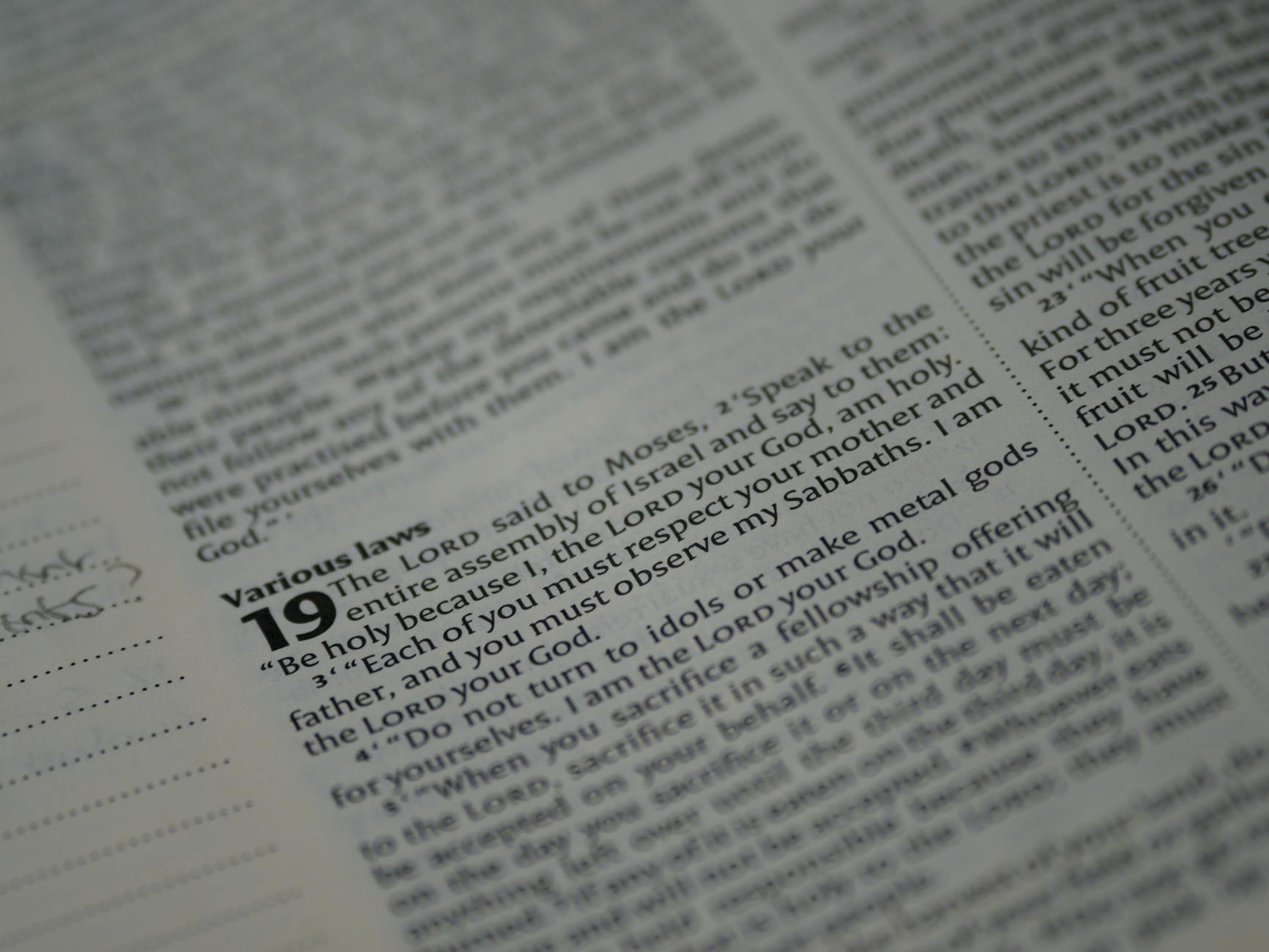
Later that same morning, in my MDiv class, we were studying Leviticus 19:9–10, where God commands the Israelites not to reap their fields to the very edges or gather the gleanings, but to leave them for the poor and the stranger. Suddenly, everything connected.
This law reveals that God is a God of justice, mercy, and provision. He cares deeply for the vulnerable and expects His people to reflect that care in tangible ways. Leaving the edges of the field was not accidental generosity—it was intentional obedience. God’s blessings were never meant to be hoarded but shared.
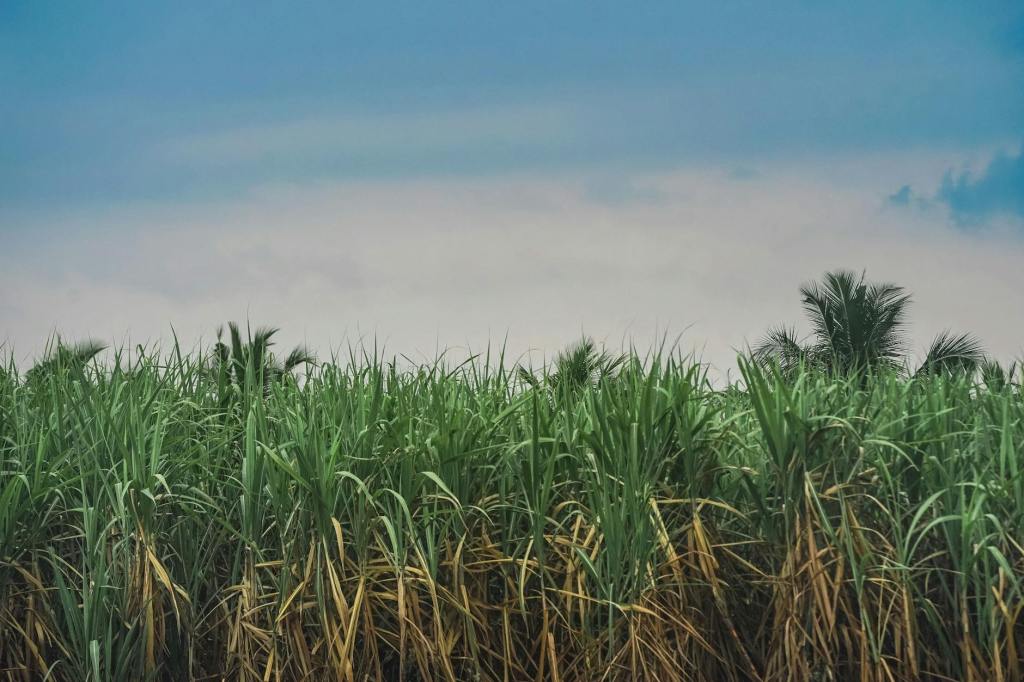
Growing up in Jamaica, I remember walking past miles of cane fields and fruit trees on the road to my grand or my great-grandmother’s house. We were allowed to pick pieces of cane or mangoes respectively as we walked, nourishing ourselves without waste or guilt. At the time, I didn’t connect that practice to Scripture, but looking back, it mirrors God’s intention in Leviticus—provision for those who are traveling, vulnerable, or in need. What once felt ordinary now feels sacred.
God help us all when He intervenes, because His justice always exposes where compassion failed
Living in the United States, this law challenges me deeply. Immigrants are often spoken about as burdens or threats. I understand the worry—concerns about resources, systems, and sustainability are real. God does call us to be wise. But I also wonder whether we limit God by assuming He cannot restore or replenish what we choose to give away.
This struggle is personal for me because I was once an immigrant. I remember walking into an office as a last resort—embarrassed, afraid, and unsure of what would happen next. The man helping me saw my distress and said something I will never forget: “Do not be afraid to ask for help, because it is better to ask for help than to suffer without.” In that moment, I knew God was at work, even when I could not yet see the outcome.
Immigrants do not ask for help lightly. They ask out of necessity. Scripture reminds us that the Israelites were once strangers who were mistreated, and God intervened on their behalf. As Matthew 25:40 tells us, “The King will reply, ‘Truly I tell you, whatever you did for one of the least of these brothers and sisters of mine, you did for me.’” Grace calls us to see Christ in the stranger and to trust God beyond our fear.
This challenges Christians to move beyond cultural fear or legal minimums and to resist dehumanizing attitudes. Living in light of this law means trusting God’s provision and participating in His work of restoration. Mercy and justice are not optional; they are central to reflecting God’s character in a broken and often indifferent world.
This reflection also led me to a lingering question: when Anne Frank wrote in her diary, was she predicting the future, or simply telling the truth while living inside it? She wrote from a place of fear, confinement, and vulnerability, yet her words now read as a warning across generations. She bore witness to what happens when people are dehumanized, and compassion gives way to fear.
In that sense, Anne Frank was not predicting history: she was naming it. Much like the law in Leviticus, her words ask whether we will recognize injustice while it is happening, or only grieve it afterward.
Scripture calls God’s people not to hindsight obedience, but to present faithfulness, to leave the edges now, to welcome the stranger now, and to trust God beyond fear now.
Grace calls us to see Christ in the vulnerable before history looks back and asks why we did not act.

Call to Action: Leave the Edges
This week, I invite you to reflect honestly:
Where is God asking you to leave the edges?
Is it in your words, your posture, your generosity, or your advocacy?
Choose one intentional act of grace—one way to resist fear and make room for compassion. Trust that God is not limited by what you give, but honored by it.
Let us pray
God of mercy and provision,
Thank You for always being enough for us.
Teach us to see You in the stranger and the weary.
Free us from fear that limits Your abundance,
and from indifference that hardens our hearts.
Help us leave the edges of our lives open,
that grace may cross the borders we have built.
May our obedience reflect Your justice,
and our compassion bear witness to Your love.
In Jesus’ name, Amen.
Thank you for reading. Please share with those who might enjoy it.



Leave a Reply