• Ruth’s Journey: Faith, Migration, and the Unexpected Blessings of Obedience.

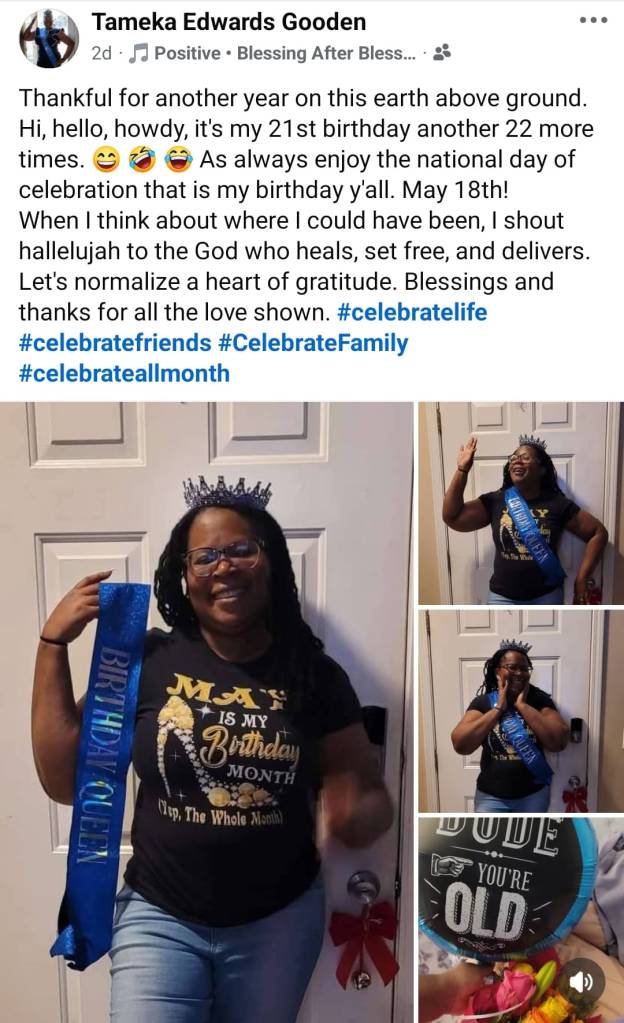
    Hi, I’m Tameka! Welcome to Grace Across Borders, where timeless wisdom from the Bible meets folk tales from around the world.

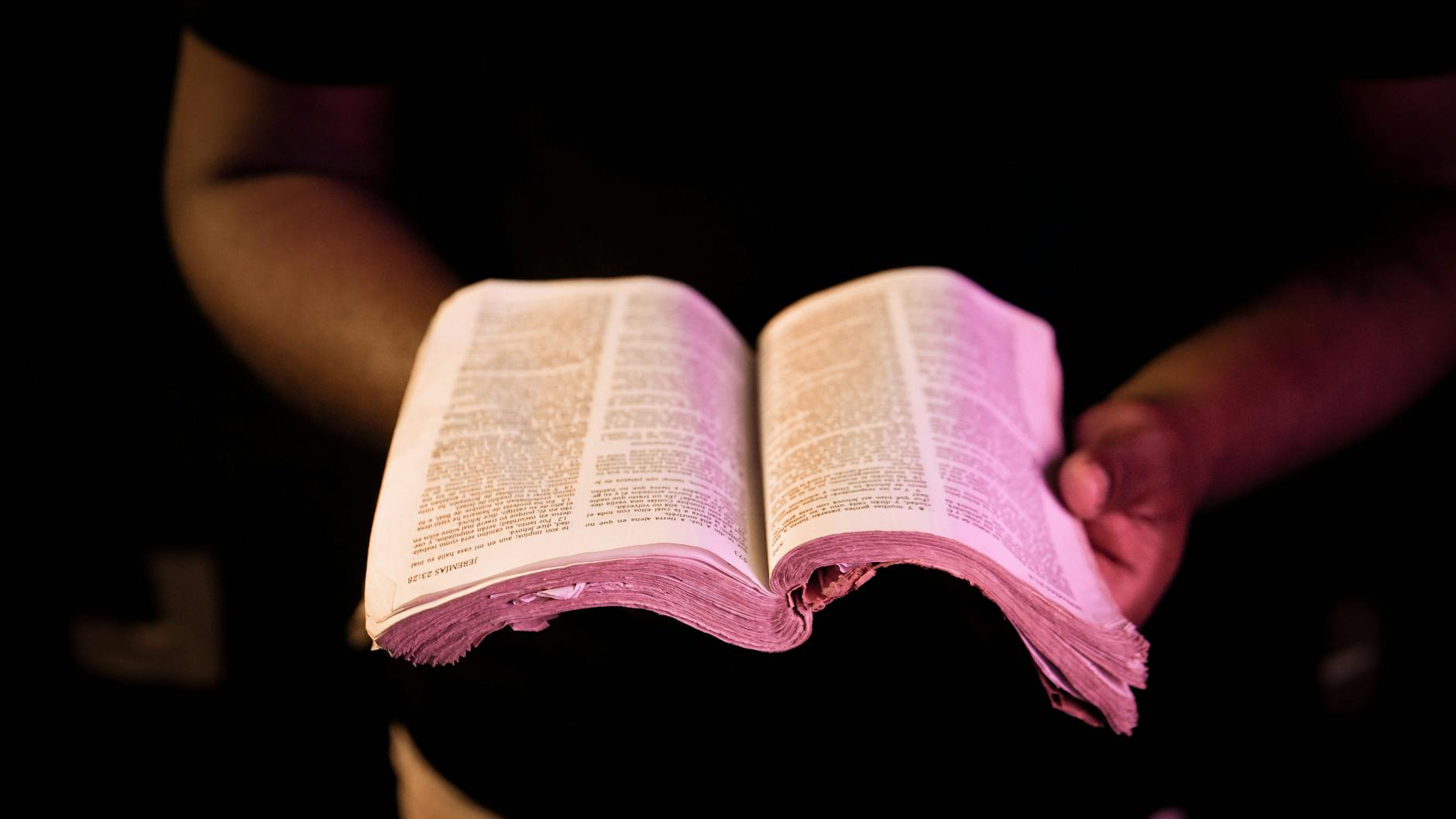
    This image has an empty alt attribute; its file name is pexels-photo-9821085.jpeg
    Photo by Sergei Gussev on Pexels.com

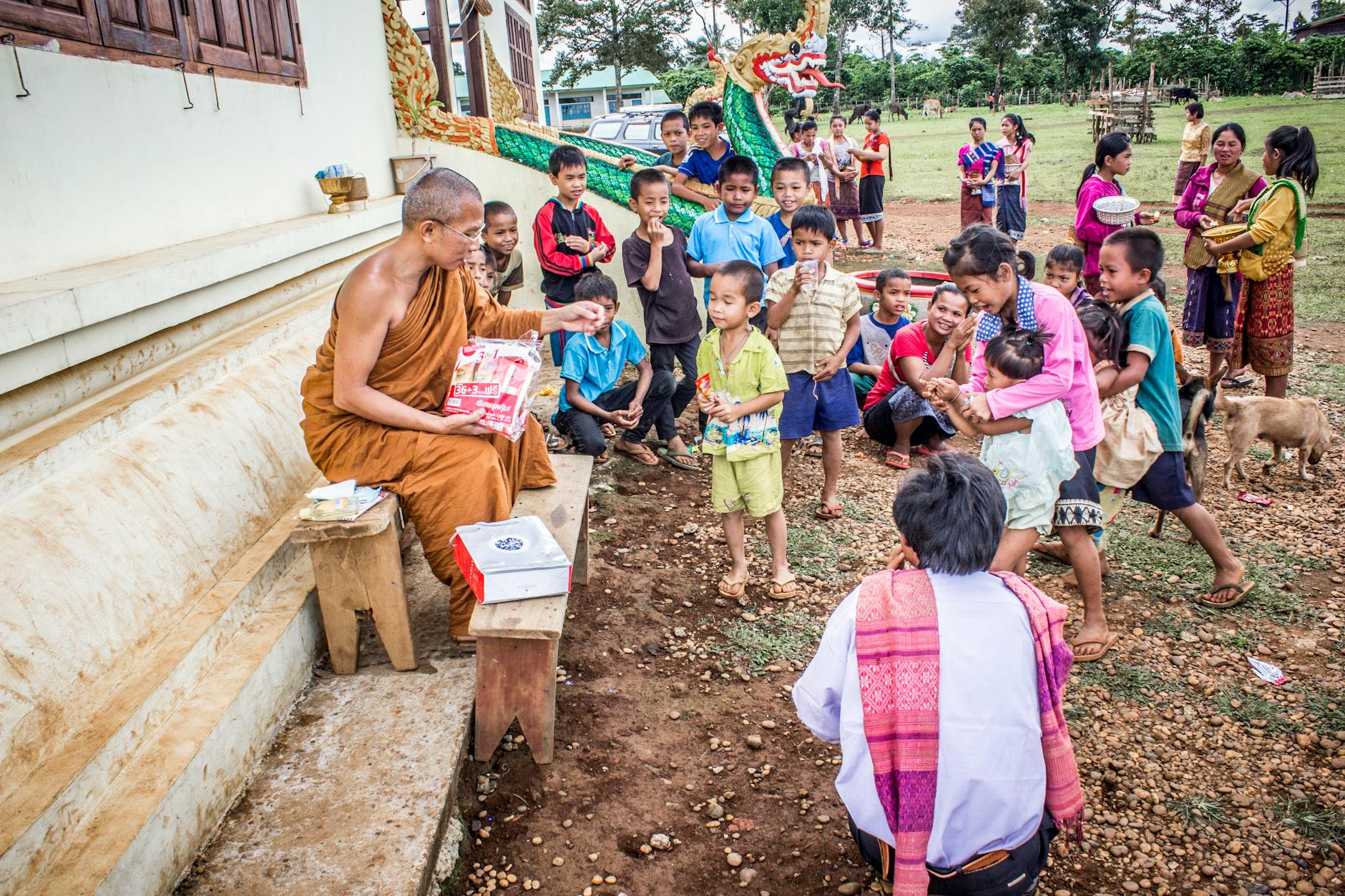
    Migration is never just about moving from one place to another; it’s about transformation, faith, and perseverance. The story of Ruth in the Bible reflects the experience of many who leave behind the familiar, stepping into the unknown with only faith as their guide. As I reflect on my own journey, I see echoes of Ruth’s story in my migration, my return to ministry, and even in the cultural stories of resilience from my homeland.

    But Ruth’s story is not just about migration—it’s also about love. After a painful loss, she found unexpected joy and companionship. My journey has mirrored hers in many ways—not just in leaving home but also in finding love after a season of emptiness.

    Ruth: A Migrant with Unshaken Faith

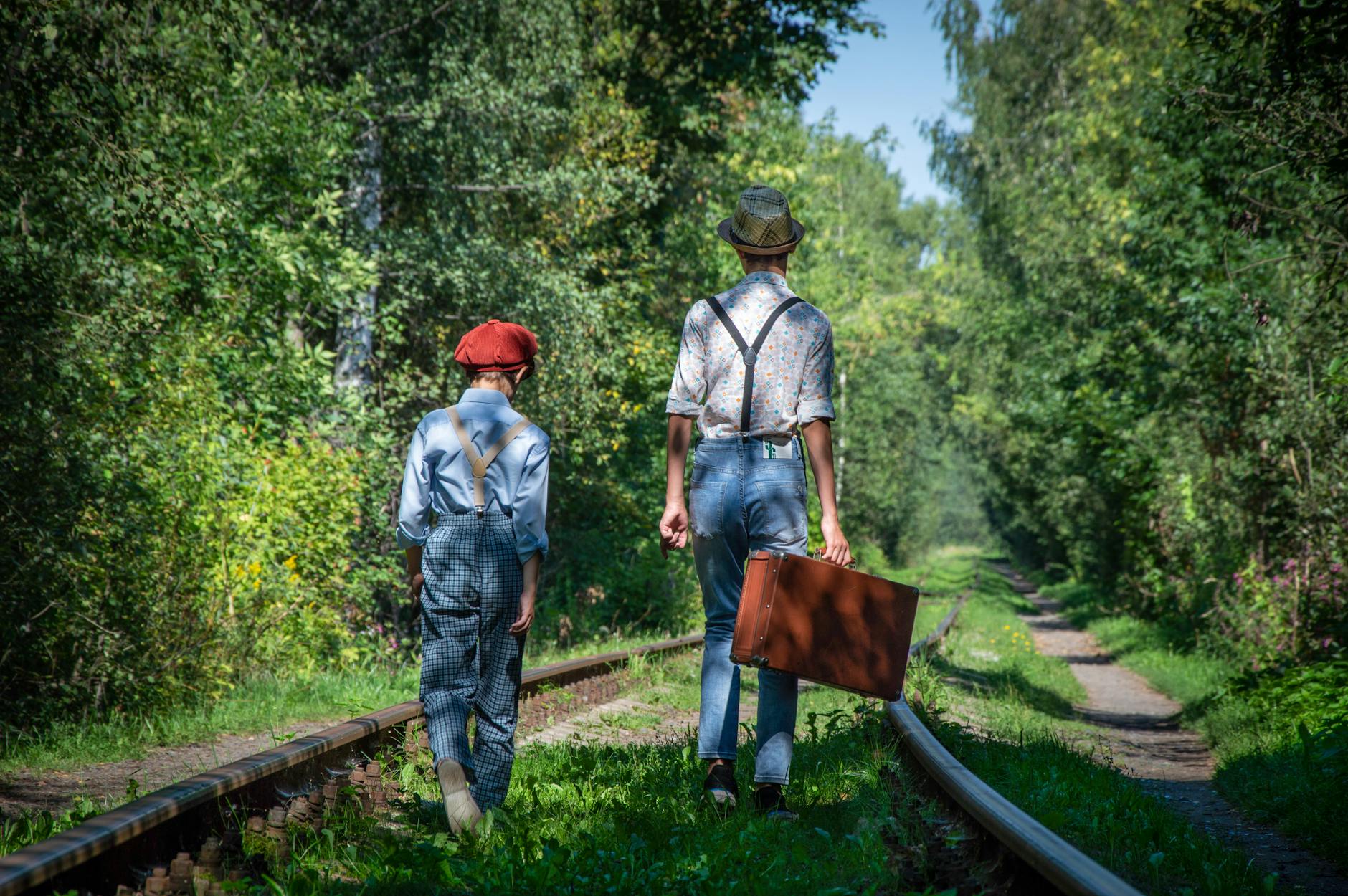
    Photo by Tirachard Kumtanom on Pexels.com

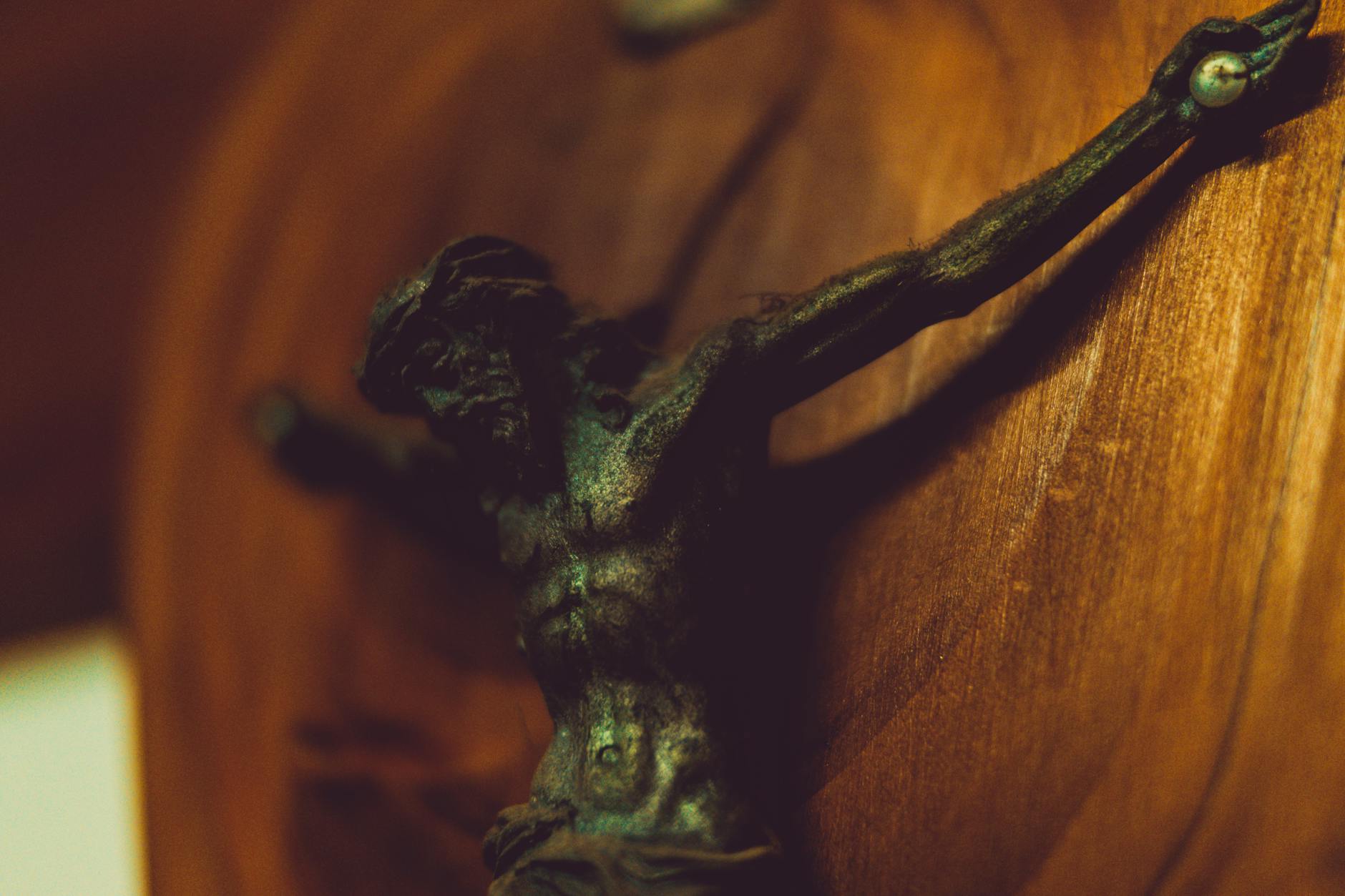
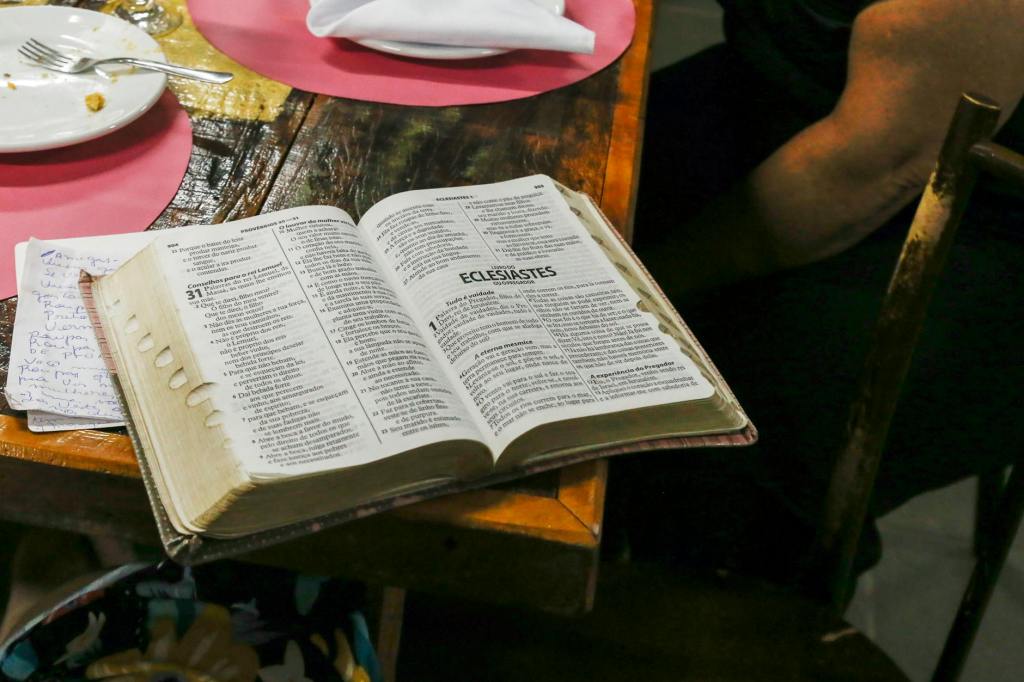
    Ruth’s story begins with loss. Her husband dies, and she faces a choice: return to her own people in Moab or stay with Naomi, her mother-in-law, and follow her to Bethlehem. Despite the uncertainties, Ruth chooses to remain, uttering the famous words to her mother-in-law:

    “Where you go, I will go; where you stay, I will stay. Your people will be my people and your God my God.”Ruth 1:16

    This decision is not just about loyalty to Naomi but about embracing a new identity and faith. In Bethlehem, Ruth works hard, gleaning in the fields to survive. Her diligence and faithfulness eventually lead to unexpected blessings—she marries Boaz, and through their lineage comes King David and, ultimately, Jesus Christ.

    Yes, Jesus Himself came from Ruth’s bloodline. Though she was a Moabite—an outsider—God chose her to be part of the genealogy of the Messiah, showing us that faith, not background, defines our place in His plan. (See Matthew 1:5-16).

    Ruth’s story teaches us that faith-led migration is not just about survival but about stepping into divine purpose.

    A Cultural Story: The Woman Who Crossed the Waters

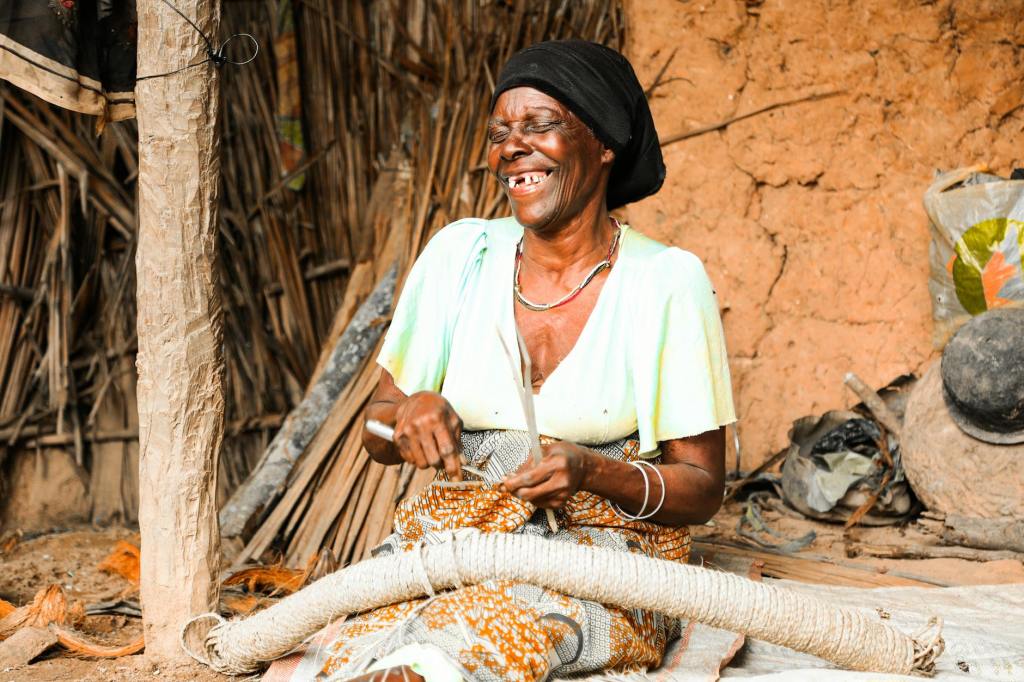
    Photo by Quang Nguyen Vinh on Pexels.com

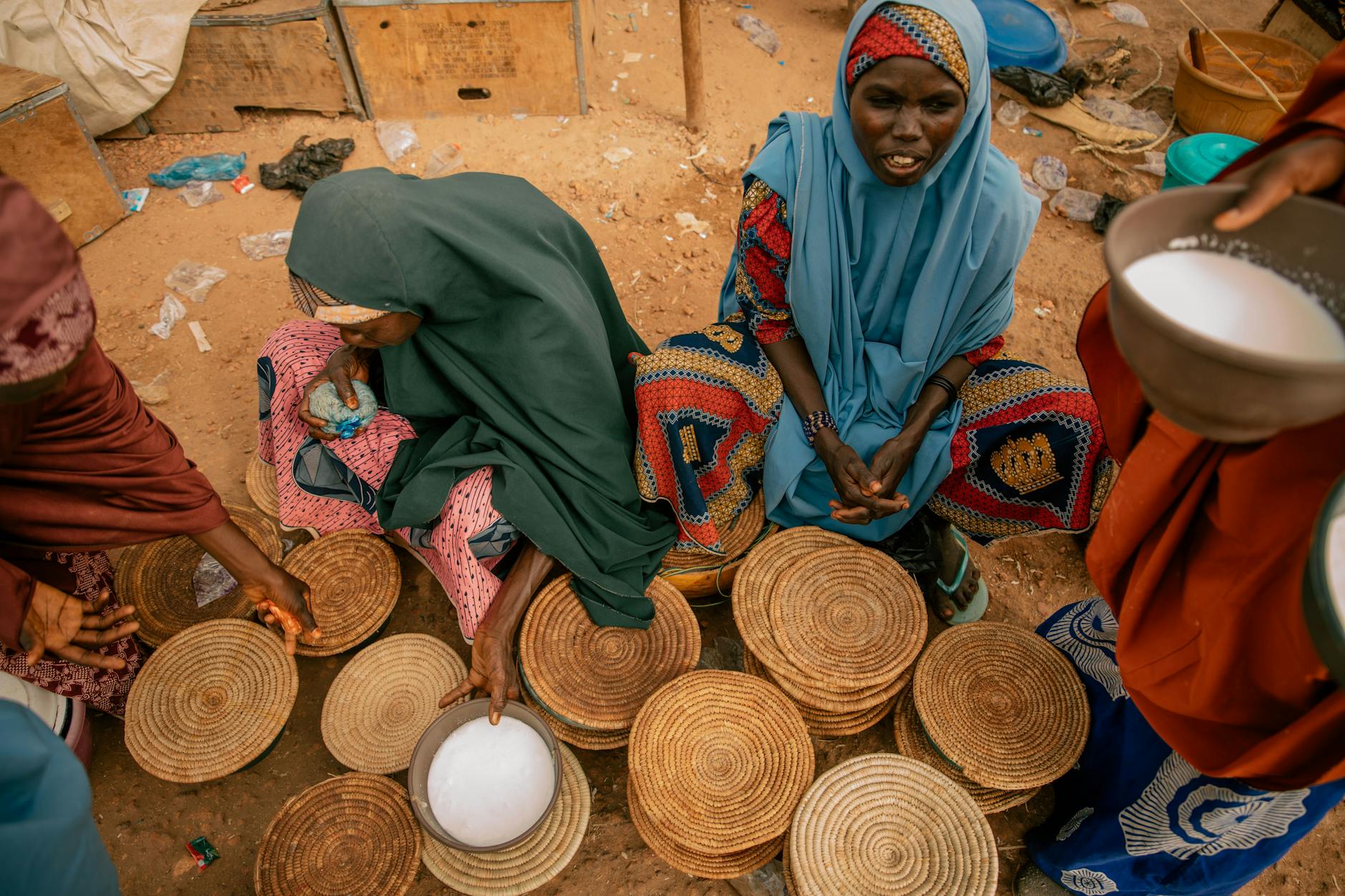
    In Caribbean folklore, there is a story of a young woman named Anika who left her island home in search of a better life. Her grandmother, fearing she would forget her roots, gave her a small jar of island soil and said, “No matter where you go, remember where you come from.”

    Anika arrived in a foreign land where she faced challenges—people questioned her accent, she struggled to find work, and at times, she felt invisible. But she remembered her grandmother’s words. Every night, she would hold the jar of soil, pray, and remind herself of the strength of her ancestors.

    Over time, Anika built a life. She found a community, shared her culture, and even started a school to help children from immigrant backgrounds. Like Ruth, she stepped into the unknown, held onto faith, and found unexpected blessings along the way.

    Stories like Anika’s are common in migration history. Many have left their homelands in search of a new beginning. Explore real-life migration stories here.

    My Journey: Leaving, Returning, and Trusting

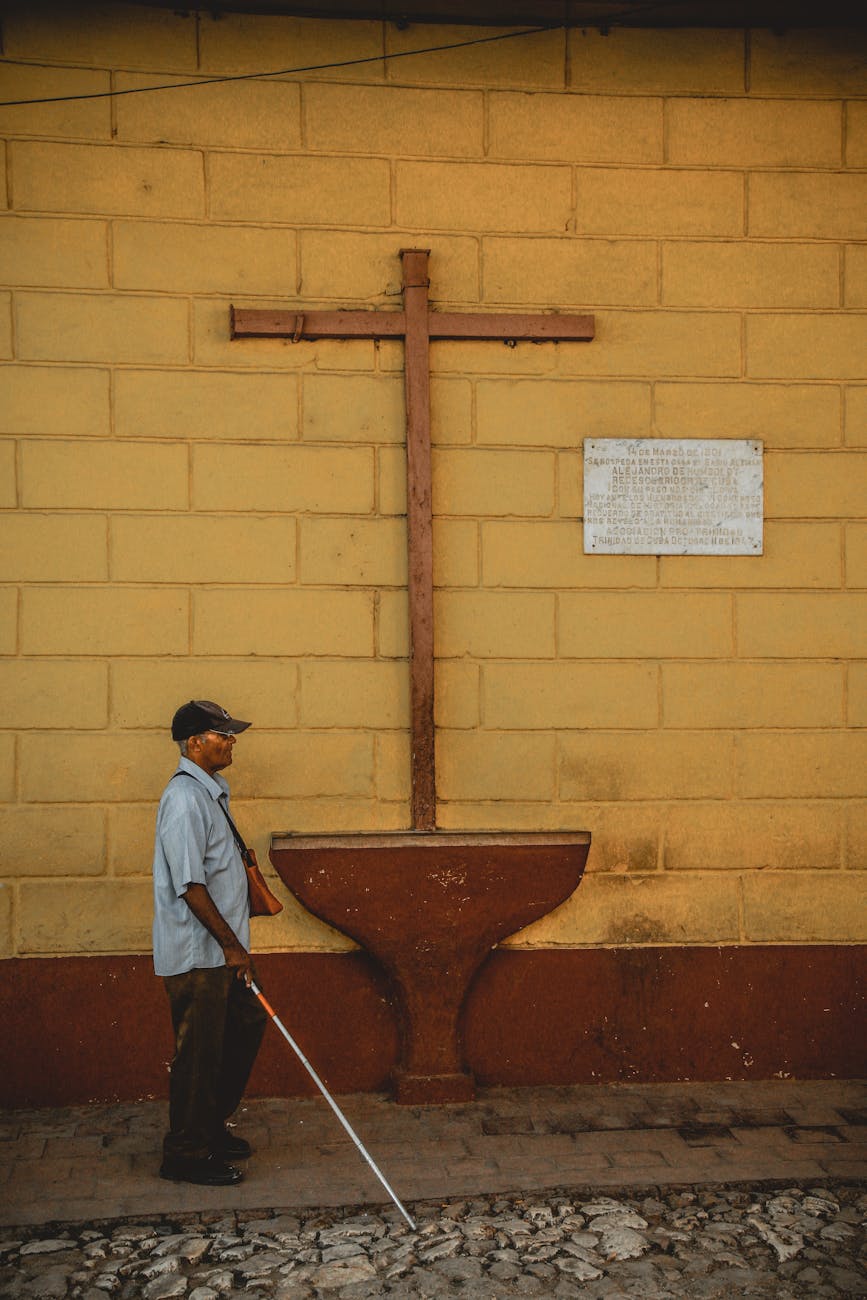
    Photo by Brett Sayles on Pexels.com

    Like Ruth and Anika, my journey has been about leaving and returning. Leaving my home country meant stepping into a world of uncertainties, navigating cultural shifts, and sometimes feeling like an outsider. But like Ruth, I trusted God’s plan, even when the path was unclear.

    I felt a calling to pastoral ministry for years, yet I ran from it. Life took me in different directions—education, family, responsibilities—but the calling never left. Recently, I’ve found myself in a season of returning, much like Ruth’s return to Bethlehem. The path back to ministry isn’t just about resuming where I left off; it’s about embracing a new identity shaped by my journey, my struggles, and my growth.

    Finding Love After a Season of Emptiness

    Photo by Jasmine Carter on Pexels.com

    Ruth’s story is also one of restoration. After losing her first husband, she likely never imagined finding love again. Yet, as she walked in faith, God led her to Boaz—a man who honored her worth, provided for her, and became her partner in building a new life.

    For a long time, I, too, lived in a season of emotional emptiness. I knew what it was like to be in a marriage without love, where companionship was just a word rather than a reality. Like Ruth, I remained faithful, but I also wondered—was true love meant for me?

    I didn’t know then that God was preparing something greater. That after years of loneliness, I would find someone who would love me the way I deserved. Someone who, like Boaz, would see my worth, not just in what I could give but in who I was.

    Finding love again after heartbreak was like stepping into the fields of Boaz—unexpected, humbling, and filled with grace. It reminded me that God is not just a God of restoration in one area of life, but in all things—including love, joy, and companionship.

    Lessons from Ruth: Walking by Faith, Not by Sight

    Photo by Mehmet Turgut Kirkgoz on Pexels.com

    Ruth’s story, much like migration, love, and life itself, reminds us that:

    • Faith requires bold choices. Leaving behind the familiar isn’t easy, but God often calls us to step out in faith.
    • Hard work and integrity open doors. Ruth didn’t wait for blessings—she worked, and through her labor, God provided.
    • God’s plan is bigger than what we see. Ruth didn’t know she would be part of the lineage of kings, but she trusted the journey.
    • Love can be found again. Even after loss, pain, and disappointment, God can bring someone who sees your true worth into your life.

    Whether we are migrating, stepping into a new calling, or waiting for love after heartbreak, Ruth teaches us that obedience and faith lead to unexpected blessings.

    What’s Your Ruth Story?

    Ruth’s journey of faith, migration, and unexpected blessings is one that many of us can relate to. Maybe you’ve left behind a place, a relationship, or a season of struggle, not knowing what’s ahead. Maybe, like Ruth, you’re stepping into the unknown, trusting that God’s plan is greater than what you can see.

    💬 I’d love to hear from you! Have you ever experienced a season of leaving and returning? A time when faith led you to something greater? Share your thoughts in the comments below or message me—I’d love to connect and encourage each other in our journeys.

    📢 If this post inspired you, share it! Someone in your circle might need to be reminded that restoration and new beginnings are possible.

    🙏 Let’s walk in faith together. No matter where we come from or what we’ve been through, God is writing a story of redemption in our lives.

    Photo by Christina Morillo on Pexels.com

    Links to the Stories

  • The Good Samaritan & The African Story of the Kind Stranger

    The Good Samaritan & The African Story of the Kind Stranger

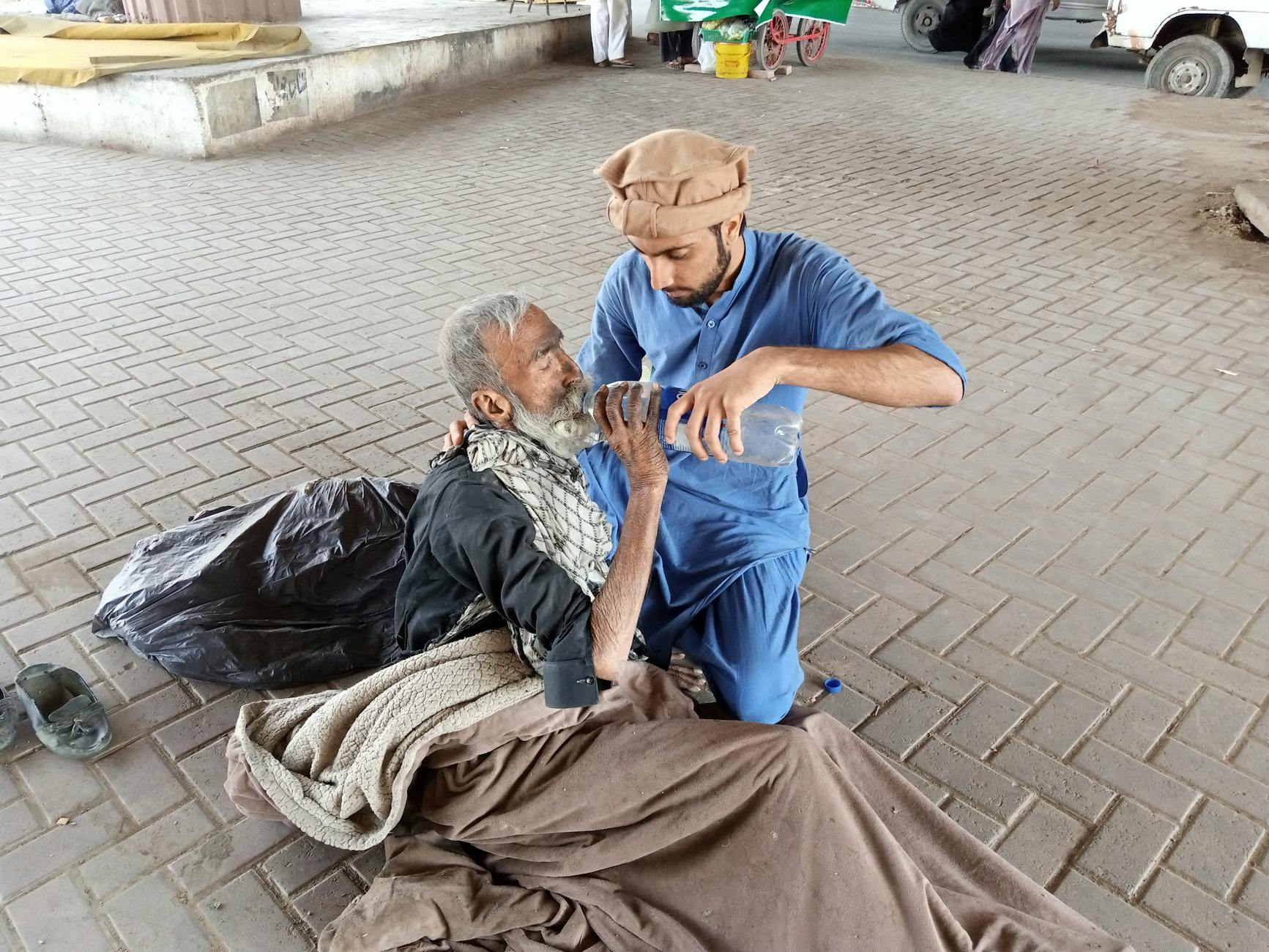
    Photo by Sarwer e Kainat Welfare on Pexels.com

    Hi, I’m Tameka! Welcome to Grace Across Borders, where timeless wisdom from the Bible meets folk tales from around the world.

    Have you ever stopped to help a stranger in need? Or, perhaps you’ve received unexpected kindness from someone you least expected? In the timeless biblical parable of the Good Samaritan, Jesus shares a powerful lesson on love and compassion. Interestingly, a similar story in African folklore echoes the same message. These stories transcend culture and time, reminding us that kindness isn’t just about helping those we know but also reaching out to those we might least expect.

    In this week’s Grace Across Borders story, we’ll explore the Good Samaritan parable alongside an African folktale about a kind stranger. Both stories challenge us to rethink who we consider worthy of our help—and how we can show mercy in our daily lives.

    The Good Samaritan: A Biblical Reflection

    In the parable of the Good Samaritan (Luke 10:25-37), Jesus paints a vivid picture of compassion. A man is left beaten and robbed on the side of the road. Two men, a priest and a Levite, pass by without offering help. But a third man, a Samaritan (someone the Jews despised), stops, cares for the wounded man, and ensures he receives medical attention. Jesus uses this story to remind us that love and mercy are for everyone, regardless of who they are or where they come from.

    The Samaritan’s actions defy social boundaries and challenge us to step outside our comfort zones. In a world divided by prejudice and judgment, the Good Samaritan shows us that we’re all neighbors—and it’s our duty to love, support, and care for one another.

    Photo by Samantha Garrote on Pexels.com

    The African Folktale of the Kind Stranger

    In an African folktale, we hear the story of a traveler who is attacked by bandits and left to die on a desolate road. Three individuals come across him: a rich merchant, a village chief, and a poor farmer. The merchant and the chief, despite their wealth and influence, pass by without offering assistance. But the poor farmer, though struggling himself, stops to help. He gives his own food, binds the traveler’s wounds, and takes him to the nearest village, ensuring the stranger is cared for.

    This folktale, much like the Good Samaritan, highlights the transformative power of kindness. It teaches that even those with the least to offer can have the greatest capacity for mercy. It’s not about having much to give—it’s about being willing to give what you have, even when it seems like you don’t have enough.

    What These Stories Teach Us

    Both the Good Samaritan and the African folktale underscore the same central lesson: kindness knows no boundaries. They remind us that we are all called to show compassion, not just to those in our inner circles, but to strangers—those who might be different from us, those who might even be considered “the other.”

    In both stories, the ones who are expected to show kindness—the priest, the Levite, the rich merchant, and the chief—turn away, leaving the task of mercy to those who have little. Yet, these “outsiders” are the ones who show the most compassion, proving that love is not confined to one group or status.

    This isn’t just a lesson in charity—it’s a lesson in seeing the humanity in everyone, regardless of race, religion, or social class. When we show kindness, we are bridging divides and transforming lives

    Photo by Vie Studio on Pexels.com

    Show Mercy Today

    This week, ask yourself: Who can you show kindness to today? Is there someone in your community who needs a helping hand—whether it’s a stranger on the street or a friend who’s struggling in silence? Like the Good Samaritan or the kind stranger in the African folktale, you don’t need to have all the answers or resources. Sometimes, simply offering a listening ear, a small act of kindness, or even a smile can make all the difference.

    Closing Questions:

    When was the last time you helped someone in need? Or when did you last receive help when you least expected it? Every time I think about kindness, I think about a teacher I had, that showed me grace and changed my life. I would not be here if he did not offer the kindness of listening. How did the help change you? Share your experience in the comments, and let’s continue the conversation on kindness.

    How?

    How? You ask. Kindness is not always a grand gesture. It can be small things, like buying a coffee for someone behind you in line. It is about holding the door for the person coming behind you. Or just a simple smile for someone who could use it. Check in on your friends. Buy/pay for groceries for someone. Giving a dollar to the homeless person asking for it without caring what they will do with it. Kindness is contagious; let it start with us.

    Share

    Photo by Samuel Figueroa on Pexels.com

    If this message resonated with you, share this post with someone who could use a reminder about the power of compassion. Together, we can create a ripple effect of kindness and mercy that crosses all boundaries.

    I am not sure who wrote this quote, but I love it. “Be The Change You Want To See In The World”

  • Grace Across Borders: Where Faith Meets Folklore
    Photo by Jonathan Borba on Pexels.com

    Welcome Home

    Hi, I’m Tameka! Welcome to Grace Across Borders, where timeless wisdom from the Bible meets folk tales from around the world.

    As someone who’s experienced life across different cultures—moving from the Caribbean to the United States—I’ve come to understand that grace is a universal language. It speaks to us through stories, whether from sacred texts or the traditions passed down through generations.

    The Prodigal Son

    Photo by Kindel Media on Pexels.com

    The Bible tells us the powerful story of The Prodigal Son—a young man who squanders his inheritance on reckless living and returns home with nothing but regret and shame. Yet, instead of condemnation, he is met with open arms, unconditional love, and a feast in his honor. This parable reminds us that grace isn’t earned; it’s freely given, even when we feel least deserving.

    The Palm Wine Tapper and the Cunning Animal

    Photo by Brett Jordan on Pexels.com

    Now, let’s cross the ocean to West Africa, where the folklore of The Palm Wine Tapper and the Cunning Animal echoes similar themes. In this tale, a poor palm wine tapper is tricked by a clever animal that steals his wine every night. When the tapper finally catches the animal, he is faced with a choice: exact revenge or offer forgiveness. Choosing compassion over wrath, the tapper and the animal form a friendship that enriches them both.

    Grace Heals and Transform

    Photo by Tara Winstead on Pexels.com

    Two stories, two cultures, one message: Grace heals and transforms. Whether it’s a father embracing a lost son or a man offering mercy to a trickster, the power of grace transcends borders.

    Snippet of My Story

    Through this blog, I hope to explore how these timeless teachings intersect to offer lessons of forgiveness, redemption, and second chances. I’m also on my own journey—pursuing chaplaincy to offer mental health and Christian counseling. My passion for understanding and forgiveness drives me, and I want to share that passion with you.

    For over 15 years, I ran from God’s calling on my life. I started Theology Seminary, but life had other plans. I had to move across borders because of my son’s health, and I thought that meant I had found my “get-out-of-jail-free card.” I completed a semester and tried to make it work.

    But God’s call never stopped. He wanted me to be in ministry, and He didn’t give up on me until I finally embraced what He had always called me to do.

    My story is much like the two stories we read above. I ran, but God made a way for me to return to my calling. He will do the same for you if you ask/return.

    Whether you’re spiritually curious, navigating life’s challenges, or simply love a good story, I invite you to reflect, heal, and grow with me here. Let’s discover together how grace, from all corners of the earth, continues to speak to us today.

    Share

    Photo by Andrea Piacquadio on Pexels.com

    What’s a story of grace that has touched your life—whether from faith, folklore, or personal experience? Share your story in the comments. I’d love to hear from you!

2 responses to “Ruth’s Journey: Faith, Migration, and the Unexpected Blessings of Obedience.”

  1. Sarah Bonham Avatar
    Sarah Bonham

    Hi Tameka! I experienced a time when I had to step away from something and felt that God drew me back to it in my life! I did cheerleading my whole life, but once I graduated high school, that journey was over, but a couple of years later, I felt a calling to come back and coach and share my passion with the kids I coach!

    Liked by 1 person

    1. TEdwardsGooden Avatar
      TEdwardsGooden

      Go coach! Helping children realize their true blessings is the richest thing one can do. I am glad the blog helped you to remember and connect to something you have enjoyed and I hope you did answer that calling.

      Like

Leave a comment

Faith. Life. Culture. Grace.

, ,