Writer, educator, veteran, and ministry leader sharing faith, life, and the lessons found along the journey. Creator of Grace Across Borders, where grace meets us wherever we are.
There is an old story about a woman who sat beneath a tree everyone believed was dead.
The people told her to leave it alone. They said it was over.
But she kept showing up.
She cleared the ground around it. She protected it from animals. She stayed close through the night.
People laughed at her.
They asked why she stayed with something that had no life left.
She did not argue. She did not explain.
She just stayed.
Seasons passed. The rain came.
And slowly, new leaves began to grow.
The same people who laughed came back to sit under its shade.
When they asked her why she stayed, she said,
Some things do not need noise. They need someone who will not leave.
My Moment
This kind of faith is not easy.
We like movement. We like progress. We like to see something happening.
But this kind of faith looks like stillness.
Not peaceful stillness. The kind where you stay because leaving would mean letting go too soon.
I have had moments like that.
Times where I was tired of the appointments. Tired of waiting. Tired of not knowing what comes next.
If I am honest, I feel lost at times.
I try to walk in God’s will, but sometimes failure still comes. No matter how hard I try.
Giving up is not an option. So I keep trusting God to lead and direct my life.
This does not feel like failure in the usual way. It feels like I have been trying, but forgetting that it is not my will. It is His.
God made promises to me.
And yet, I am facing a procedure because of ongoing health issues. That tension is real.
From the beginning, I said this blog would be honest.
And it is.
But I am learning that honesty does not always mean saying everything.
The story of Rizpah stayed with me.
She did not explain herself. She did not defend herself. She did not try to make others understand.
She just stayed.
And something shifted in me when I accepted that.
The moment I decided I would not explain everything, it felt like a weight lifted off my shoulders.
Maybe this is a season where God is calling me to be still. And to be silent.
Not because nothing is happening.
But because He is not finished yet.
Just like Rizpah on the rock. Just like the woman by the tree.
Sometimes grace shows up in the staying.
Let us continue to pray for God’s will in our life.
Prayer
Dear Lord Jesus, Please teach me how to stay when everything in me wants to walk away. Give me strength for the seasons that feel still and unseen. Remind me that You are working, even when I do not see movement. Help me to trust You, even in the silence. Amen.
Thank you for being here with me at Grace Across Borders.
Where the Bible meets folklore. And both meet real life.
If this spoke to you, please like, share, comment, and subscribe.
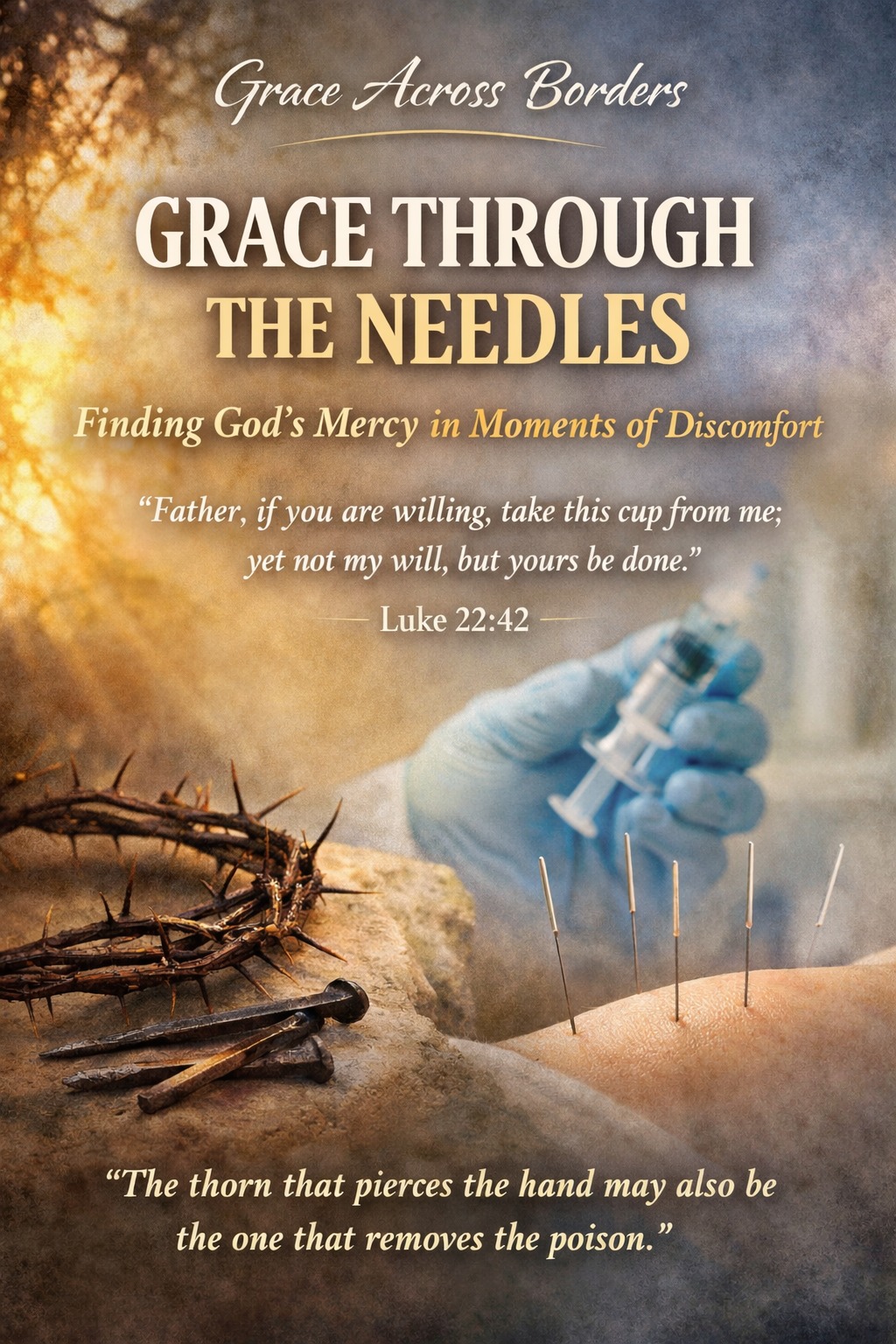
“Father, if you are willing, take this cup from me; yet not my will, but yours be done.” – Luke 22:42
Before the cross, Jesus spoke these words in the Garden of Gethsemane. He knew the suffering that was ahead of Him. The pain was real, and the weight of what He was about to endure pressed heavily on His heart. Yet even in that moment, Jesus surrendered Himself to the will of the Father.
His prayer reminds us that faith does not mean pretending something is easy. Sometimes faith means acknowledging the discomfort, the fear, or the pain, and still trusting God in the middle of it.
Folklore Reflection
There is an old saying often shared in Christian circles: “The thorn that pierces the hand may also be the one that removes the poison.”
In other words, the very thing that hurts may also be the thing that heals.
We do not always recognize it in the moment, but sometimes relief comes through the very thing we would rather avoid.
Reflection
For those who know me well, you know one thing about me: I absolutely hate needles.
Not a mild dislike. I mean a real fear of them.
Yet today my pain was so intense that I willingly went to my acupuncture appointment. Imagine that for a moment. Someone who hates needles laying still while they are placed in my ears, my wrists, below my knees, and near my ankles.
You lay there trying not to move. Trying not to focus too much on the discomfort.
You tolerate it.
Not because you suddenly like needles, but because you know relief is coming.
And strangely enough, after a while your body begins to relax. The pain slowly starts to ease. In that moment you remember why you keep coming back, even though every appointment begins with a little bit of dread.
But my day with needles did not end there.
After acupuncture, I still had to go get my allergy shots. Four separate injections in the back of my arm. Somehow those hurt even more than the acupuncture.
And yet I still sat there and let them do it.
Why?
Because over time those shots help my body build resistance. They help me avoid living with constant allergies day after day. The discomfort today is working toward relief later.
As I sat there thinking about all of this, my mind went back to Jesus praying in the garden.
“Father, if you are willing, take this cup from me…”
Even Jesus, in His humanity, felt the weight of what was ahead. The cross was not a small inconvenience. It was suffering beyond what most of us can even imagine. And yet in that same prayer He said something that continues to echo through the lives of believers today:
“Yet not my will, but yours be done.”
Jesus did not avoid the path that would bring salvation. He endured it. Through the pain, through the suffering, and through the sacrifice, He walked forward in obedience to the Father.
And because He did, grace was made available to all of us.
Sitting there with those shots in my arm, I found myself thinking about that moment in the garden. I was not facing anything like the cross, but the lesson still felt real.
Sometimes relief does not come by avoiding the discomfort.
Sometimes relief comes through it.
Life has a way of bringing us into seasons we would never willingly choose: illness, uncertainty, disappointment, or exhaustion. Like Jesus in the garden, we may find ourselves asking God if the cup can pass from us.
But sometimes God strengthens us not by removing the moment, but by walking with us through it.
Today reminded me that endurance has purpose.
The needles were uncomfortable. Some of them hurt. But they were also helping my body heal. They were helping my body find balance again.
And in that quiet moment I realized something deeper.
Sometimes the things we dread the most are the very things God uses to bring relief, growth, or healing into our lives. We may not understand it while we are going through it, but God is still present, still working, and still extending His mercy.
Grace shows up in unexpected places. Today it met me in acupuncture needles and allergy shots, reminding me that God’s mercy can cross into even our most uncomfortable moments.
Prayer
Lord, help us trust You in the moments that feel uncomfortable or uncertain. Give us the strength to endure the things we would rather avoid, and remind us that Your grace is present even in the middle of our discomfort. Teach us to surrender our fears and trust Your will, just as Jesus did in the garden. Amen.
Sometimes the journey feels long, and the full blessing seems just out of reach. But even when we cannot see the end, God’s promises remain true—and every faithful step we take brings us closer to the joy He has prepared. Let us rejoice in the journey, celebrate the small victories, and keep our eyes fixed on the ultimate reward: seeing God’s face.
The Journey of Abraham and Moses
Abraham trusted God’s promises completely, leaving his homeland and journeying to a land he had never seen. God promised him descendants as numerous as the stars and a land flowing with blessing. Yet Abraham did not enter the promised land himself (Genesis 22:15–18; 25:7–10).
Moses, too, led the Israelites faithfully through the wilderness for forty years, guiding them toward the land God had promised. But when the time came, God told Moses he would not enter it because of a moment of disobedience (Numbers 20:7–12). Even the greatest leaders in faith did not receive the full reward in this life.
A Folk Lesson on Faithful Waiting
There’s a folk story I love from the mountains of Jamaica: a young boy plants a fruit tree, knowing he may never taste its fruit. He waters it faithfully, protects it from storms, and shares its shade with others. Years later, the tree stands tall and full, offering fruit to a whole village. The boy may not have eaten the first fruit, but his faithfulness ensured the harvest. Abraham’s and Moses’ journeys are spiritual versions of that tree: their trust created blessings far beyond what they could see.
Facing Challenges With Faith
In my own walk, I notice how the devil comes with such a pose, trying to make me believe his sad reality. I recently received some news from the doctor that I did not want to hear, which led to more labs, MRIs, and tests. I’m tired of it all, but I know my purpose is bigger than the pain, doubts, and confusion. Yet I continue to trust in God’s promises, knowing that He loves me and will never leave me.
Like Abraham and Moses, we may face delays, doubts, and distractions—but our faithfulness matters, even when the full reward seems far away. Writing this encourages my spirit; it is the best part of my week. I want to remind you that God’s grace will meet you exactly where you are, and He will carry you through every step of the journey.
I may never become the pastor or chaplain that God is calling me to be, but one thing I know for sure: until my last breath, I will do God’s will. And I will keep reminding myself—and you—that staying faithful is far more important than seeking recognition or worrying about the outcome.
Rejoicing in the Promised Reward
Let us all prepare our hearts for the day we see God’s face. Let us rejoice in the small acts of obedience, the quiet moments of faith, and the blessings that come along the way. And may we live in cheerful anticipation, ready to hear Him say, “Well done, my faithful one.” That is the true promised land, the reward beyond our imagination.
Takeaway for Today
Celebrate the small victories. Trust God’s timing. And remember that every faithful step, no matter how unseen it feels, is planting seeds for a future harvest of joy. The promised land may not be here yet, but God’s reward is real—and it’s worth the journey.
A Prayer for Faithful Waiting
Heavenly Father, Thank You for Your promises, which never fail and never fade. Help us to trust You even when the journey is long, and the full blessing seems just out of reach. Like Abraham and Moses, may we walk faithfully, obeying Your Word and leaning on Your love.
When the devil whispers lies and tries to make us doubt, remind us of Your truth: that You are faithful, that You see our hearts, and that Your reward is certain. Prepare our hearts to rejoice when we see Your face and hear You say, “Well done, my faithful one.”
Lord, give us patience in the waiting, joy in the journey, and hope for the eternal promised land. May our faithfulness bear fruit for generations, and may our lives reflect Your glory every step of the way.
Some days, a single fixation grips you, whether it’s a household glitch, an urgent fix-it project, or that nagging detail demanding just one more try. By evening, your to-do list mocks you: the blog post undone, the school paper untouched, hours vanished. Sound familiar? I’ve been there, staring at the clock, wondering how to reclaim what slipped away.
The Gospels capture this tension vividly. In Luke 10:38–42, Martha welcomes Jesus into her home but soon spirals into distraction. She’s consumed by preparations, while her sister Mary sits at Jesus’ feet, absorbing His words. Jesus responds gently:
“Martha, Martha, you are anxious and troubled about many things, but one thing is necessary. Mary has chosen the good portion” (Luke 10:41–42, ESV).
Martha’s “many things” weren’t wrong in themselves, but her fixation blinded her to the better choice: abiding with Christ amid the chaos. Like Martha, we often let the urgent eclipse the eternal.
Folklore: The Drowning Man
Once, a man faced a raging flood. A boat came to rescue him, but he refused, insisting God would save him. Later, another boat came, he refused again. Finally, a helicopter hovered above, yet he still declined. When he died and met God, he asked why he hadn’t been saved. God replied, “I sent you help, each time, but you would not accept it.”
This story reminds us that God often sends help and provision, even amid chaos and distraction, but if we are too fixated on our tasks, our pain, or our plans, we can miss it entirely. The better portion is not always in our hands; sometimes it’s already provided, waiting for us to pause and receive it.
A Personal Mary Moment
For me, that better portion came through acupuncture. The pain wasn’t just from the needles, the tension in my body, the fatigue, the weight of everything I’d been carrying, it all pressed down on me. Yet I almost skipped the appointment because of all I “had” to do.
When I laid there, partially dark and quiet, the needles brought relief, even if it didn’t last as long as I would have liked. In that stillness, I poured my prayers to God, lifting my burdens and the people I love to His feet. Even though I couldn’t speak every thought because of the pain, the Holy Spirit met me there, refreshed my mind, and spoke to my soul. That quiet, painful, and healing moment became a sacred pause, my Mary moment amid the chaos.
To think I almost let that weekly prayer time pass because of pain and the distractions.
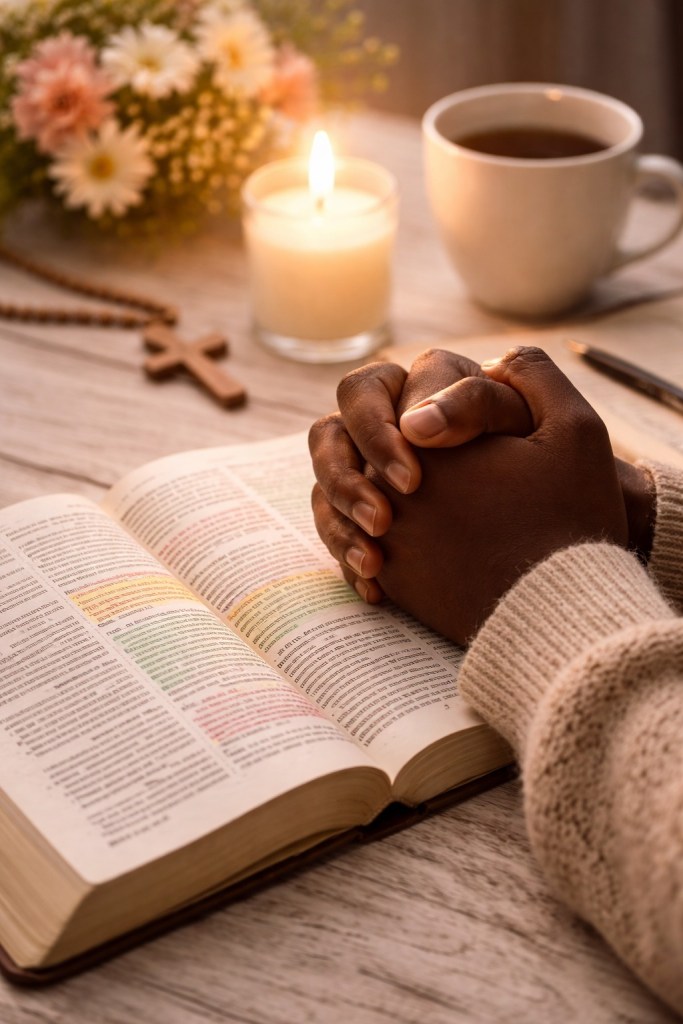
Trying image creation with AI
This Week’s Prayer
Father, Quiet our Martha hands. Awaken our Mary hearts. In the rush, anchor us at Your feet. Teach us the better portion.
In Jesus’ name, Amen.
Grace chooses:
Not frantic service, but feet-by-feet stillness.
Not empty busyness, but soul-full presence.
Not divided loyalty, but undivided love.
Grace isn’t against your doing. It’s for your being.
This is Grace Across Borders, where grace meets us in the tension.
He had suggested that I write about temptation. Lasco is single, and if I am honest, somewhere in my heart, I was judging him. I didn’t say it in a harsh way, and he didn’t take offense. In fact, he had no hard feelings toward me at all. But judgment doesn’t stop being judgment just because the other person isn’t hurt by it.
I remember saying that maybe this week, I should write about forgiveness.
And the truth is, I said it because I knew I needed it.
But all week long, I had nothing to write.
Nothing.
I sat down more than once, staring at the screen, waiting for words that never came. Even today, I was ready to move on to something else: brainstorm. Then out of nowhere, Tricia sent me a scripture. That’s not something we normally do.
And before I ignore it like I had been ignoring this topic, the words spoke directly to me:
Repentance requires honesty. It requires us to admit what we would rather overlook. Lasco did not demand an apology from me. He did not confront me. But that does not remove my responsibility before God.
How many times have we done things and never asked for forgiveness, yet we expect it to be granted anyway?
We assume grace will cover what we never confessed.
We want mercy, but we don’t want to humble ourselves.
And yet, when Jesus taught us how to pray, He made forgiveness inseparable from our own willingness to give it:
I am late again. Tempted to not even write this week. My friend Lasco, said write about temptation. Next week will probably be on forgiveness because I judged him, hard (smiling). I digress.
I am late… not just late walking through a door. Late responding. Late finishing. Late becoming the version of myself I thought I would be by now.
Sometimes it feels like I should be further along spiritually. More disciplined. More consistent. Less flawed. And in those quiet moments, I feel the weight of needing grace… again.
That feeling led me to the story of King David. Because if anyone understood both failure and mercy, it was him.
David is often remembered as the shepherd boy who defeated Goliath, the worshiper who wrote psalms, and the king chosen by God.
Yet David’s story also carries one of the most painful examples of temptation and failure in the Bible.
A Man After God’s Own Heart
In 2 Samuel 11, Scripture tells us that “in the spring, when kings go off to war… David remained in Jerusalem.” That small detail speaks loudly. While others were at battle, David stayed behind.
One evening he walked on his rooftop and saw Bathsheba bathing. Instead of turning away, he sent for her. One decision became another. She became pregnant. In fear and pride, David tried to cover his sin. When that failed, he arranged for her husband, Uriah, to be placed in the fiercest part of battle where he was killed.
The consequences were heavy. Through the prophet Nathan, God confronted David. Nathan told him a story about a rich man who stole a poor man’s only lamb. David burned with anger, until Nathan said, “You are the man.”
David’s sin carried consequences. The child born from that union died. Violence and sorrow entered his household. Scripture does not soften the weight of what happened.
But David did something powerful; he repented.
Psalm 51 records his cry:
“Create in me a clean heart, O God, and renew a right spirit within me.”
David did not excuse himself. He did not shift blame. He turned back to God. And despite this failure, David is still remembered as “a man after God’s own heart.”
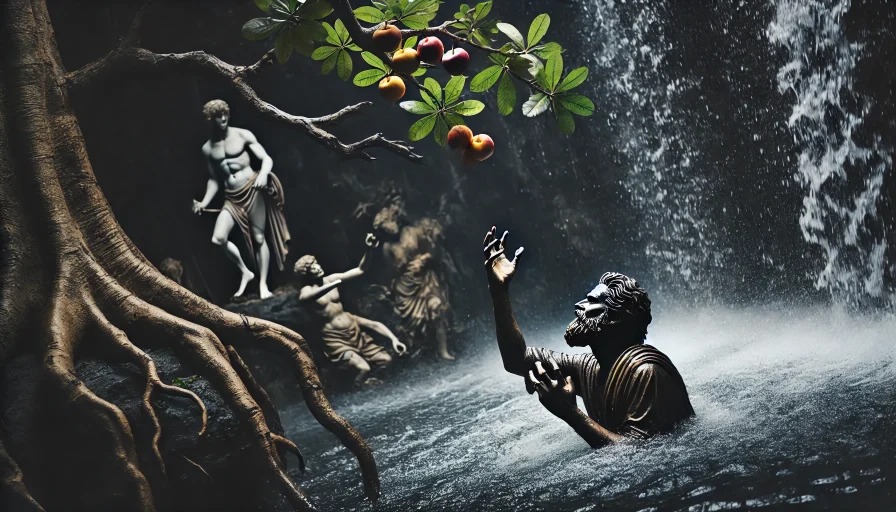
The Myth of Tantalus
In ancient Greek myth there was a king named Tantalus, who once ruled in great favor with the gods. He was invited to dine with them in the radiant halls of Olympus, a rare privilege that stirred pride in his heart.
At first, his humility won respect. But soon his pride swelled. The more honor he received, the more he began to believe he belonged among the gods themselves, no longer satisfied with the gifts he’d been given.
Tantalus began to cross boundaries that were never meant to be crossed. In some versions of the myth, he betrayed sacred trust by revealing the gods’ secrets to mortals. In others, he even stole ambrosia and nectar, the food and drink meant only for divine beings, or worse, he betrayed his own son in a cruel test of the gods’ omniscience.
For these choices, he was punished in a way that would forever link his name to temptation itself: Tantalus was condemned to stand in a pool of water beneath a fruit tree in the underworld. Whenever he reached for the cool water, it receded. Whenever he reached for the fruit, the branches lifted just out of reach. He was always so close, yet forever unable to satisfy his thirst or hunger.
This fate gave rise to the word “tantalize” to be tempted with something desired, only to have it continually withheld.
Tantalus is forever tantalized, always thirsty and hungry with no forgiveness offered; but David, after great failure, experiences mercy and restoration when he turns back to God.
Reflection
I remember being told, even by church folks, that I was promiscuous, just because I liked hanging out with the guys. Those words stung. For a while, I was tempted to just accept that label, to become what I was told I was. I wonder sometimes if the people who judged me ever asked for forgiveness for their words. I digress.
I know what it feels like to stumble under temptation in my own life. I fight hard not to say everything on my mind. I fight hard not to burn bridges in moments of anger. I wrestle with wanting more than I should take when I know I should walk away. Those impulses are real, and sometimes I fail.
David’s story reminds me that even those anointed, chosen, and strong can fall. He gave in to desire, made choices that hurt others, and faced consequences he could not escape. Yet David did not stay in his failure. He turned back, acknowledged his sin, and recommitted himself to God. That commitment opened the door to mercy, restoration, and hope, even after a serious fall.
Tantalus, in contrast, shows what happens when temptation is left unchecked, and no repentance comes. He remains eternally “tantalized” forever reaching, forever unsatisfied, forever separated from relief.
What encourages me is this: unlike Tantalus, I — and we — have a chance to turn back, to repent, to seek forgiveness, and to choose God’s mercy. Even in my failures, I am reminded that God’s grace meets me where I am. My missteps do not define me. I can rise again. I can recommit. I can be restored.
Even when I stumble, even when temptation feels overwhelming, I have the hope that mercy is greater than my mistakes — and that keeps me pressing forward.
My husband David and I.
Call to Action
Take a moment today to reflect:
Where have you been “late” in obedience, in kindness, in faith?
What temptation are you facing that feels like it will never end?
How can you turn back to God and invite His mercy into that space today?
Write it down, pray over it, or simply speak it aloud. Don’t wait. Grace is never late.
Prayer
Lord, Thank You that Your mercy meets us even when we fail. Thank You that our mistakes do not define us, and that Your grace restores what sin attempts to destroy.
Help us to turn back to You with honest hearts. Renew us where we are broken. Guide us where we are tempted, and remind us that, like David, we can be called a person after Your own heart, not because we are perfect, but because we choose You.
Help us also to remember that You alone are perfect, and that Your sacrifice makes it possible for us to call upon You.
Hi, I am Tameka, and welcome to another post from Grace Across Borders. That question hit me like a wave this week, right after so many of you responded to last week’s post about Sarah’s long wait. Your messages were honest and raw, and so many of you shared how her story mirrored your own seasons of delay. As I sat with those responses, God pressed deeper into my spirit: Even if the promise tarries… even if the bills stack… even if the door stays shut, even if you never get married, or have that long waited for child, will you still serve Me?
This blog isn’t about venting frustrations (tempting as that may be). This space belongs to God, even when it takes me longer to listen. Thank you for your grace with the timing of this post—sometimes listening takes longer than speaking. My role is simply to listen and share what He is saying. So let’s lean into Scripture, story, reflection, and prayer.
Before we dive in, a bit of context: Shadrach, Meshach, and Abednego were three young Hebrew men living in Babylon under King Nebuchadnezzar. When the king commanded everyone to worship a golden image, they refused, choosing obedience to God over safety. Their story is a vivid example of faith that trusts God even in the face of death.
Shadrach, Meshach and Abednego replied to him, “King Nebuchadnezzar, we do not need to defend ourselves before you in this matter. If we are thrown into the blazing furnace, the God we serve is able defend ourselves before you in this matter. If we are thrown into the blazing furnace, the God we serve is able to
to deliver us from it, and he will deliver us from Your Majesty’s hand. But even if he does not, we want you to know, Your Majesty, that
we will not serve your gods or worship the image of gold you have set up.”
These three men stood face-to-face with death because they refused to bow to anything other than God. What stands out is not only their confidence in God’s power to save, but their unwavering commitment to Him even if rescue never came. Their faith was not conditional. It was settled.
In stories passed down through Southern firesides, there is the tale of Old Widow Jenkins. During a brutal drought, she prayed daily for rain. Crops failed, cupboards emptied, and neighbors whispered that God had forgotten her. Still, every morning she knelt beside her dry well and prayed, “Lord, send water, or teach me to trust You without it.”
The skies remained silent. But one morning, a small spring bubbled up from the bottom of that well. Not enough to flood the land, but enough to sustain her household. When neighbors asked her secret, she smiled and said, “I prayed for rain, but God gave me faith. Even if no cloud had come, I would have kept praying.”
Her well became legend—not because of water, but because of unwavering trust.
Sarah waited decades for Isaac, barren, aging, and at times laughing in doubt, yet God gently asked, “Is anything too hard for the Lord?” Many of you shared how deeply her waiting resonated with your own stories, and that blessed me. But this week, God turned the question back on me: What if the answer never comes the way you expect?
What if the bills linger, the healing delays, the door never opens, or the promise looks different than you imagined? Do we walk away, or do we tighten our grip on God and say, “You are still Lord”? That tension exposes the heart of our faith. Christianity is not a transaction, pray, receive, and move on. It is surrender. Even when unanswered, God is still and will always be worthy of worship.
Like Shadrach, Meshach, and Abednego, and like Widow Jenkins, “even if” faith declares that God’s worth is not dependent on outcomes. Sometimes God is most glorified not by the miracle we receive, but by the trust we maintain while waiting.
Prayer
Father, for every “even if” we are facing, unpaid bills, lonely nights, deferred dreams, and unanswered prayers, strengthen our faith. Teach us to trust You not only for what You can do, but for who You are. Anchor us in surrender that glorifies You beyond outcomes. Even if the answer is no or not yet, You are still enough. Amen.
It was another week of not writer’s block, but waiting for God to speak. I thought about so many topics, but none of them felt settled. The words came, but God did not seem to be in them. I did not want to write just to fill space; I wanted to write what He was saying.
Tonight, as I picked up my computer again, Sarah came full frontal when I thought about my own situation. Not gently. Not quietly. She arrived with history, weight, and truth. In her story, I recognized my own waiting, and suddenly, the silence made sense.
Sarah is the wife of Abraham, the woman through whom God promised to bring forth a nation, even though she had lived many years without a child.
Sarah’s story is often reduced to her laughter, but before she laughed, she waited. She waited through promises spoken to her husband, through years of barrenness, through a body that aged while hope stayed suspended. When God spoke of a child, Sarah overheard the promise and laughed, not because she was faithless, but because her body knew time in a way heaven does not measure.
God’s promise to Sarah did not begin when she laughed. It began years earlier, spoken first to Abraham:
“I will make you into a great nation, and I will bless you… and all peoples on earth will be blessed through you.” (Genesis 12:2–3)
Yet years passed, and Sarah remained barren. The promise was spoken, but her body told another story.
When the Lord returned and spoke again, He said:
“I will surely return to you about this time next year, and Sarah your wife shall have a son.” (Genesis 18:10)
Sarah overheard this and laughed to herself:
“After I am worn out, and my lord is old, will I now have this pleasure?” (Genesis 18:12)
The Lord did not withdraw the promise. Instead, He asked:
“Why did Sarah laugh and say, ‘Will I really have a child, now that I am old?’ Is anything too hard for the Lord? At the appointed time I will return to you, about this time next year, and Sarah shall have a son.” (Genesis 18:13–14)
Sarah denied laughing out of fear, but God knew the truth. Still, He continued speaking.
Scripture then tells us:
“Now the Lord was gracious to Sarah as he had said, and the Lord did for Sarah what he had promised. Sarah became pregnant and bore a son to Abraham in his old age, at the very time God had promised him.” (Genesis 21:1–2)
And Sarah said:
“God has brought me laughter, and everyone who hears about this will laugh with me.” (Genesis 21:6)
Grace did not rush Sarah. Grace waited. God stayed with her through the years of silence, through the ache of an aging body, through the moment of nervous laughter. And when God finished the conversation, laughter replaced fear.
We often ask, “How old was Sarah?” as if age were the main obstacle. But Scripture never treats her age as a disqualifier. God does not correct Sarah’s biology; He questions her laughter and then keeps speaking. In time, Sarah conceives, not because time reversed, but because God completed the promise He began.
Sarah teaches us that delay is not denial and that God’s promises are not bound to human timelines. Her story invites all who wait, whose bodies, bank accounts, or circumstances seem to say “too late” to hear the same question whispered over their laughter: Is anything too hard for the Lord?
Growing up, I often heard the elders say, “God time is not man time.” It was not spoken casually. It was usually said when something had taken longer than expected, when bodies were tired, hope was stretched thin, and explanations no longer helped.
Sometimes it was paired with another saying: “What is planted deep grows slow.” These words were not meant to stop questions, but to quiet panic. They taught us that delay does not cancel destiny and that what God intends cannot be hurried by human urgency.
This wisdom echoes Sarah’s story. Her body testified to impossibility, but God was still speaking. Grace moved on a different clock.
I’ve always wanted another child, a desire that feels planted, not impulsive. My last baby, turning 16 this year, has begged for a sibling so often it aches. My body isn’t young anymore, yet my husband and I trust: if this is God’s will, it will be.
I remember when health crashed and hysterectomy seemed the “sensible” end. It felt wrong, like a huge mistake. I chose myomectomy instead. Nearly died from a blood clot. Most would laugh (heck, I laugh now). But God was speaking; I waited.
We’re not desperate, fasting in sackcloth. We’re waiting, listening, discerning together. The hardest part? Uncertainty. What does God want?
I once shared this longing and heard sharp words: “Your age. Do you really want that struggle?” I felt defeated. While God was speaking to us, I let someone interrupt before He finished. They spoke from their limits; I internalized them as ours.
Now we’re waiting for Him to complete the conversation. Fears scream in the silence, but knowing God shows where to bring them.
Like Sarah, we return to where God last spoke. Her laughter wasn’t disbelief; it was exhaustion meeting promise. God didn’t scold her biology; He questioned her laugh, then kept speaking.
Delay isn’t denial. We’re learning to wait without rushing His ending.
What conversation did God begin with you that feels unfinished? Where have other voices interrupted what God was still saying?
Return to that place. Sit with God again. Let grace finish the sentence.
Grace Spoken Back to God (Prayer)
God of Sarah, You speak promises that outlive our timelines and hope that survives our doubts. Help us return to the place where You last spoke. Quiet the voices that rush You and steady our hearts while we wait. Teach us to trust Your timing and to believe without forcing the outcome. In Jesus’ name, Amen.
Sometimes the simplest acts of generosity reveal God’s heart—like walking past a fruit tree and realizing it was meant to feed anyone who needed strength for the journey.
This week, my reflections came full circle. I found myself sitting with deep frustration and sadness after watching a video of people storming a church, angry at the pastor and leadership. I didn’t share the video because I agreed with how the church was treated, but because it reflected something deeper: people are hurting, angry, and afraid. And somewhere in the middle of that noise, I realized I needed peace on the topic.
Later, during our daily reflection, Sister Jem mentioned a piece of folklore that felt strangely familiar. Something in it stirred me, and I went searching for the full story.
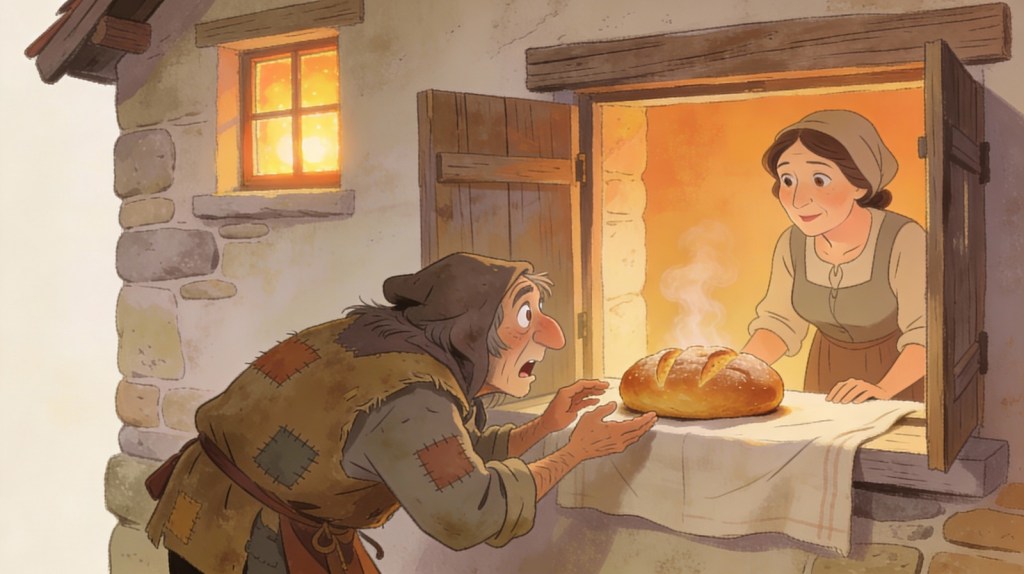
The folklore tells of a woman who baked bread daily and placed an extra loaf on her windowsill for anyone who was hungry, passersby, the homeless, the poor. Each day, a hunchbacked man would take the bread and say, “The evil you do remains with you; the good you do comes back to you.” Over time, the woman grew frustrated. She judged him as greedy and ungrateful.
One day, in anger, she considered poisoning the bread. But before setting it out, she changed her mind, threw the poisoned loaf into the fire, and baked a fresh one. Later that same day, her son returned home and told her he had nearly collapsed from hunger on the road—until a hunchbacked man gave him bread that gave him the strength to make it home.
Her act of kindness had come full circle. What she almost withheld in bitterness would have harmed the one she loved most.
Grace often works like that, quietly, invisibly, beyond what we can immediately see.
Scripture at the Edges
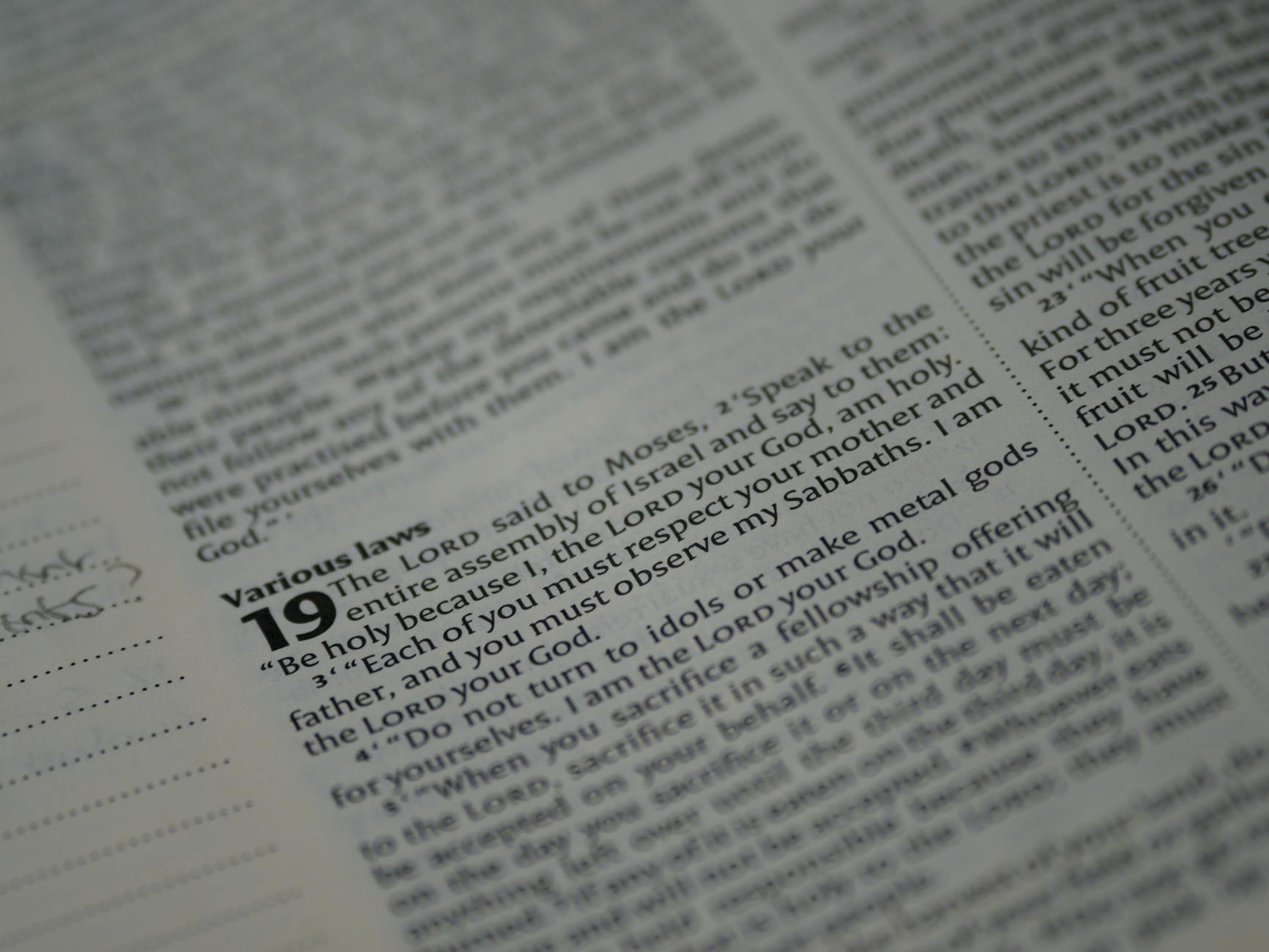
Later that same morning, in my MDiv class, we were studying Leviticus 19:9–10, where God commands the Israelites not to reap their fields to the very edges or gather the gleanings, but to leave them for the poor and the stranger. Suddenly, everything connected.
This law reveals that God is a God of justice, mercy, and provision. He cares deeply for the vulnerable and expects His people to reflect that care in tangible ways. Leaving the edges of the field was not accidental generosity—it was intentional obedience. God’s blessings were never meant to be hoarded but shared.
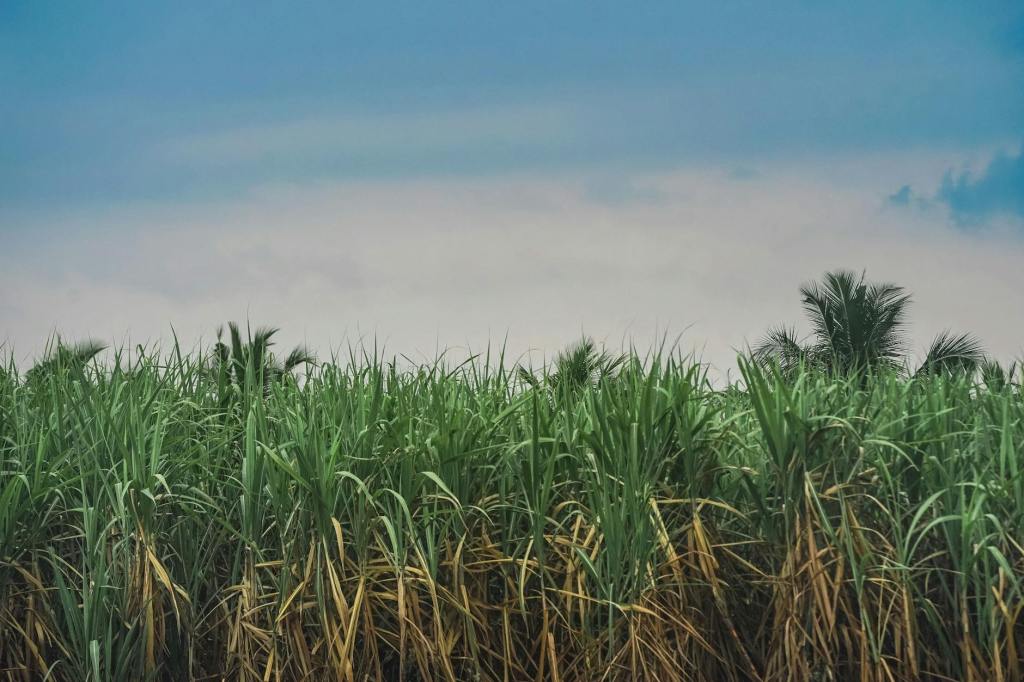
Growing up in Jamaica, I remember walking past miles of cane fields and fruit trees on the road to my grand or my great-grandmother’s house. We were allowed to pick pieces of cane or mangoes respectively as we walked, nourishing ourselves without waste or guilt. At the time, I didn’t connect that practice to Scripture, but looking back, it mirrors God’s intention in Leviticus—provision for those who are traveling, vulnerable, or in need. What once felt ordinary now feels sacred.
God help us all when He intervenes, because His justice always exposes where compassion failed
Living in the United States, this law challenges me deeply. Immigrants are often spoken about as burdens or threats. I understand the worry—concerns about resources, systems, and sustainability are real. God does call us to be wise. But I also wonder whether we limit God by assuming He cannot restore or replenish what we choose to give away.
This struggle is personal for me because I was once an immigrant. I remember walking into an office as a last resort—embarrassed, afraid, and unsure of what would happen next. The man helping me saw my distress and said something I will never forget: “Do not be afraid to ask for help, because it is better to ask for help than to suffer without.” In that moment, I knew God was at work, even when I could not yet see the outcome.
Immigrants do not ask for help lightly. They ask out of necessity. Scripture reminds us that the Israelites were once strangers who were mistreated, and God intervened on their behalf. As Matthew 25:40 tells us, “The King will reply, ‘Truly I tell you, whatever you did for one of the least of these brothers and sisters of mine, you did for me.’” Grace calls us to see Christ in the stranger and to trust God beyond our fear.
This challenges Christians to move beyond cultural fear or legal minimums and to resist dehumanizing attitudes. Living in light of this law means trusting God’s provision and participating in His work of restoration. Mercy and justice are not optional; they are central to reflecting God’s character in a broken and often indifferent world.
This reflection also led me to a lingering question: when Anne Frank wrote in her diary, was she predicting the future, or simply telling the truth while living inside it? She wrote from a place of fear, confinement, and vulnerability, yet her words now read as a warning across generations. She bore witness to what happens when people are dehumanized, and compassion gives way to fear.
In that sense, Anne Frank was not predicting history: she was naming it. Much like the law in Leviticus, her words ask whether we will recognize injustice while it is happening, or only grieve it afterward.
Scripture calls God’s people not to hindsight obedience, but to present faithfulness, to leave the edges now, to welcome the stranger now, and to trust God beyond fear now.
Grace calls us to see Christ in the vulnerable before history looks back and asks why we did not act.
This week, I invite you to reflect honestly: Where is God asking you to leave the edges? Is it in your words, your posture, your generosity, or your advocacy?
Choose one intentional act of grace—one way to resist fear and make room for compassion. Trust that God is not limited by what you give, but honored by it.
Let us pray
God of mercy and provision, Thank You for always being enough for us. Teach us to see You in the stranger and the weary. Free us from fear that limits Your abundance, and from indifference that hardens our hearts. Help us leave the edges of our lives open, that grace may cross the borders we have built. May our obedience reflect Your justice, and our compassion bear witness to Your love.
In Jesus’ name, Amen.
Thank you for reading. Please share with those who might enjoy it.
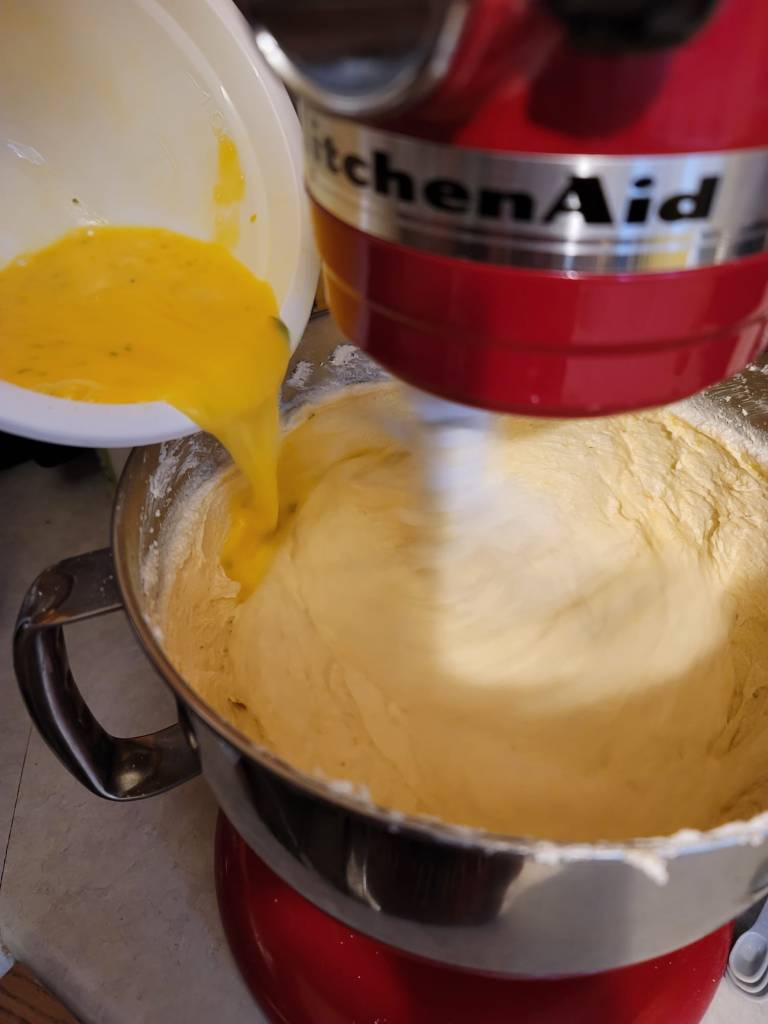
Christmas had already passed when I finally turned on the oven. What once took me a short afternoon now took way too long—pauses for pain, moments of checking and double-checking, resting, then starting again. My body moved slower than my memory, slower than it used to before the Navy and before my health required so much attention.
I measured carefully and still got the sugar wrong. Too much, if I’m honest. But if anything had to be off, let it be sweetness. In the middle of the delay, the discomfort, and the imperfections, I was reminded that grace is not rushed and some things still come together beautifully, even when the process costs more than it used to.
Me, my cakes, and the late one from my sister chilling together. AI-generated combination.
Baking After the Holiday
I baked my Christmas cake after Christmas.
Not because I forgot the season—but because life didn’t line itself up neatly with the calendar. Pain lingered. Energy came in waves. And another quiet reason: most of my ingredients didn’t start in my kitchen at all.
They were shipped to me from my parents in New York.
What I needed came from home, crossing state lines and time, arriving later than planned—but still exactly what was required. And yet, the ingredients were still there, waiting. So I baked anyway.
Christmas cake is one of those recipes everyone has opinions about. Ask ten people how to make it, and you’ll get ten variations—what fruit belongs, how long it should soak, whether it should be dark or light, dense or soft. Some recipes are passed down like sacred text. Others are adjusted every year.
And standing in my kitchen, I realized: faith often looks like that too.
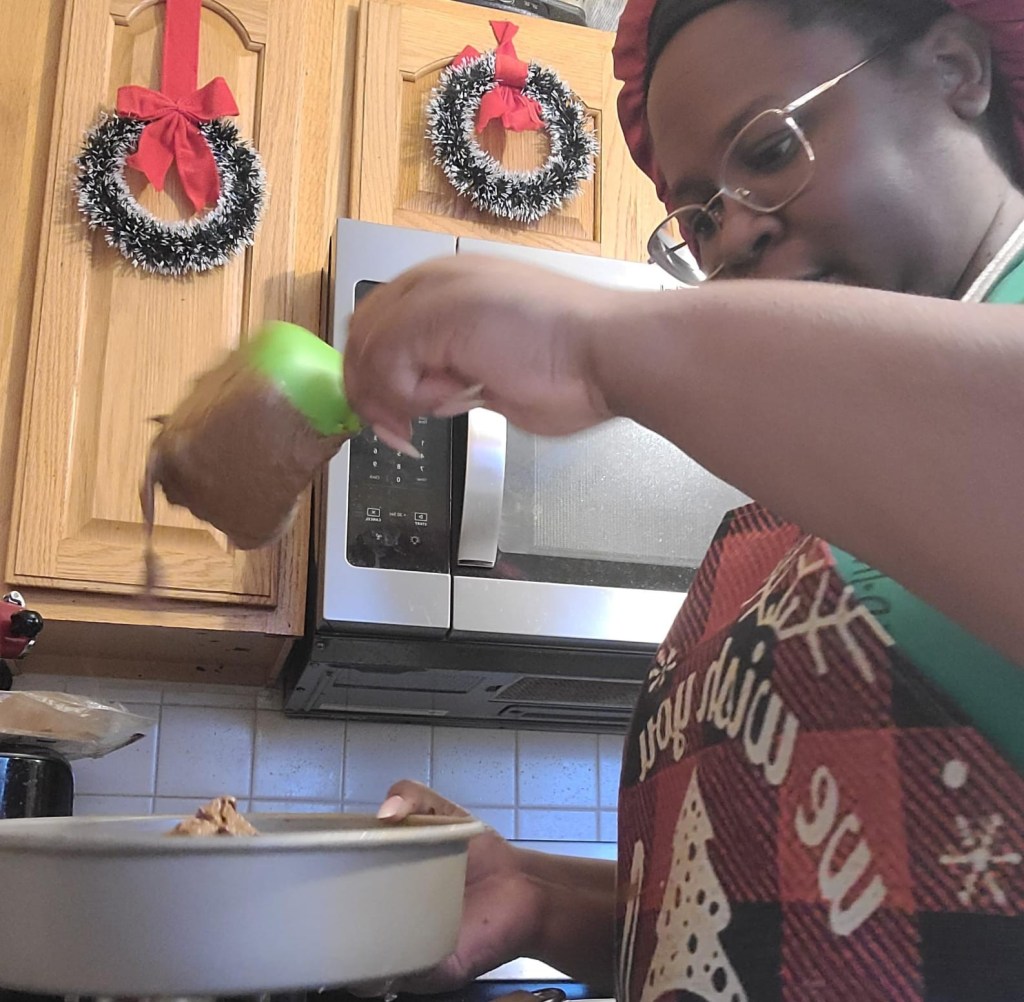
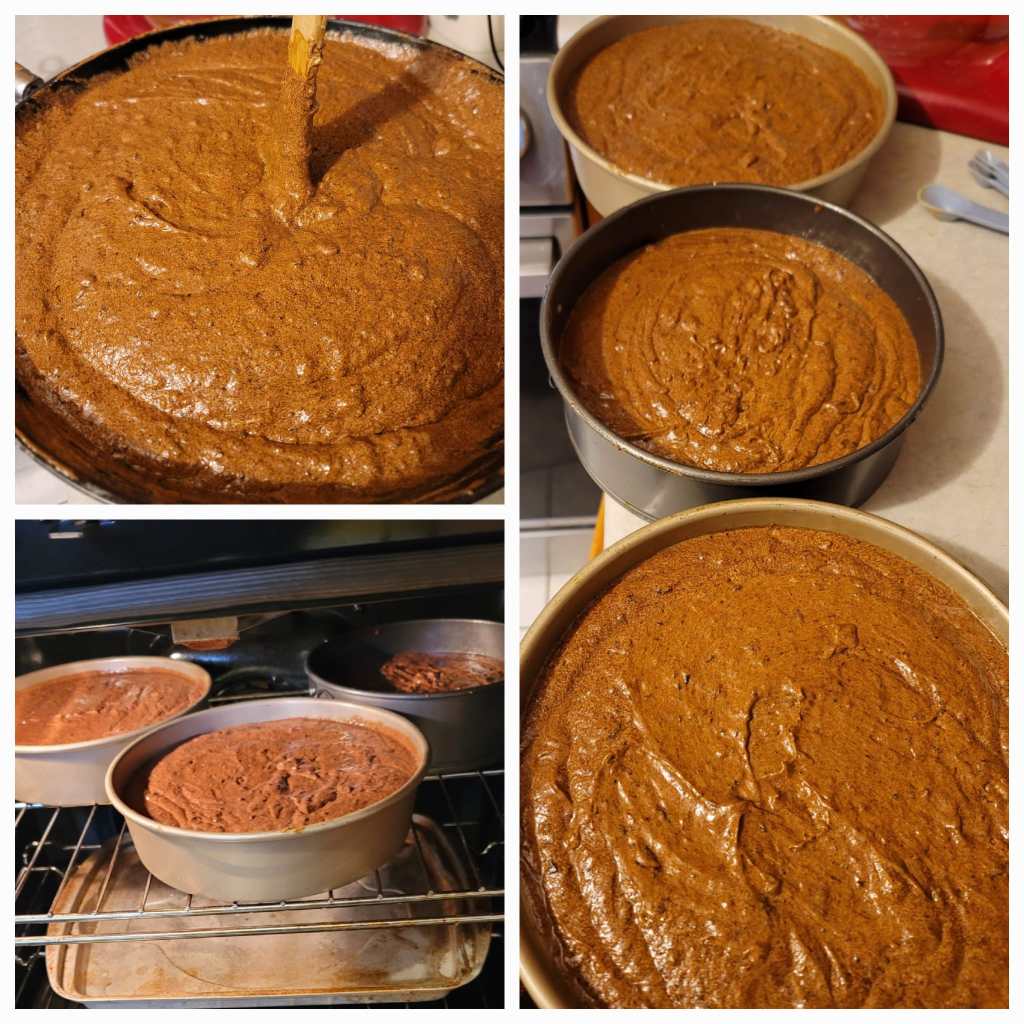
Carefully smoothing the rich, boozy batter into the tins, getting these Jamaican fruit cakes ready for their slow holiday bake.
Before the Steps: The First Time I Tried
I remember the first time I ever baked this cake.
It was the first Christmas my mother was not spending the season with us in Jamaica.
My mother was known for her Christmas table. During the holidays, she would prepare a feast—doors open, pots full, cake always ready. Family, friends, neighbors, and even strangers would stop by. And the cake? She baked many. She sent them to family and friends near and far, and people genuinely looked forward to receiving one.
She never sold them. Not once.
That generosity astonished my adopted brother, Glen. He couldn’t believe she wasn’t charging anyone. In fact, he insisted on giving her money, not to buy a cake, but to help her continue the tradition. That was who she was.
When she left Jamaica that year, her friend Sis Paulette stepped in without hesitation when I asked for help. She offered me the recipe and walked me through the process, step by step. That cake turned out beautifully, far better than I expected.
I could never bake it the way my mother did, and certainly not in the volume she produced. However, I am deeply thankful today for my mother, Sis Honey, Sis Paulette, and Sis V, the women who shared their blessings with me through cake baking.
This cake has always been an adventure of women, of generosity, patience, and willingness to teach.
Aunt Novelette was visiting from the US that year, and she enjoyed the cake and the meal so much. It felt like a full circle of blessing to see her pleased. I will never forget her, or that first cake; may she continue to sleep in peace. Some memories are tied to my heart, like the cake her daughter, Kayon, sent me since I moved here; I don’t think she realizes what it meant to me at the time. Family like Althea (though it was very late), Kaydian, and Sis V, who sent me cake this year and in the past, I thank you. I will forever be grateful to be thought of.
I pray we all take the time to call upon those in our families who do something well and learn from them, so traditions can carry grace across generations.
And in the kitchen, as in faith, we gather the gifts, wisdom, and provision that arrive from others—sometimes near, sometimes far—and trust God to use them to form something beautiful in our lives.
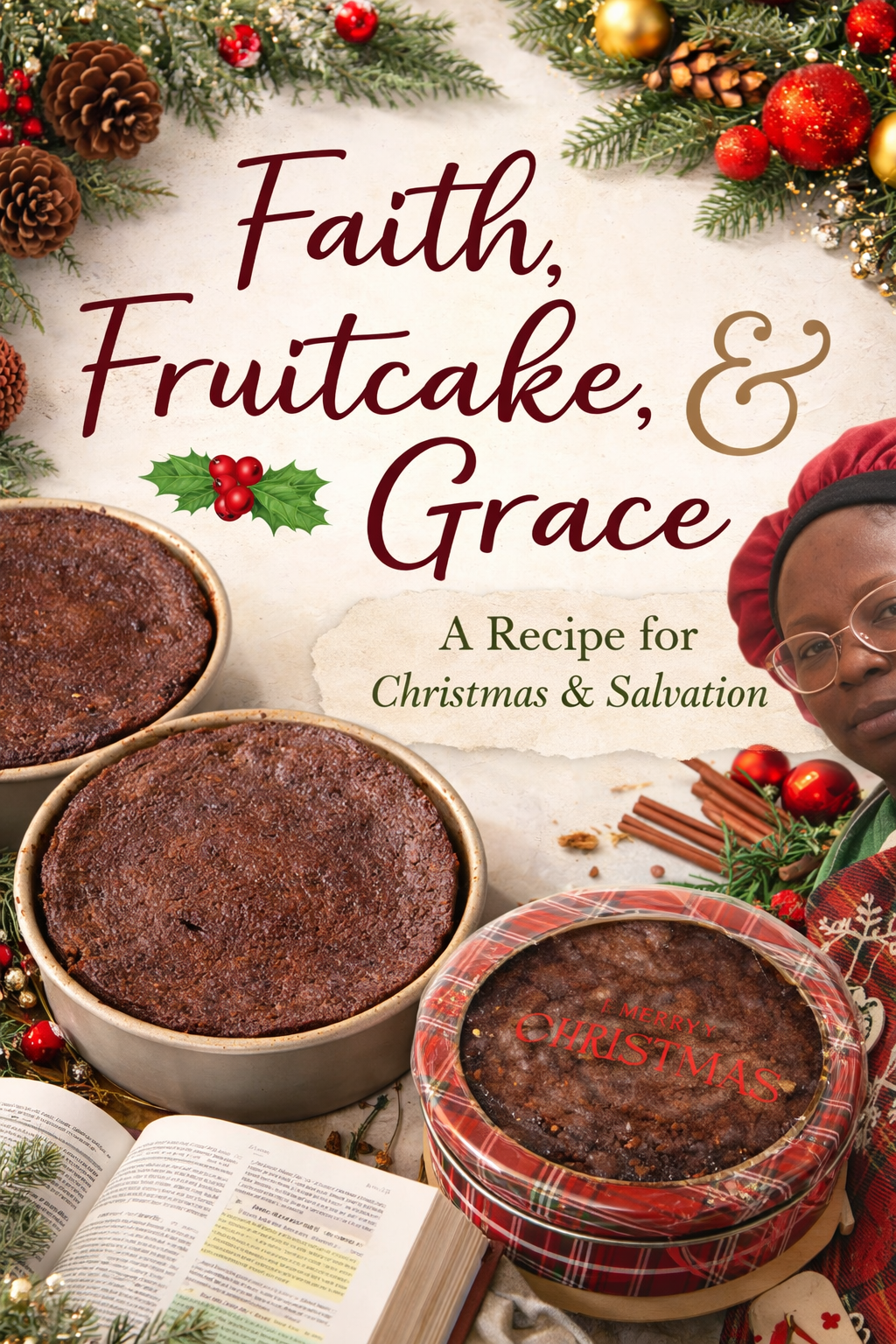
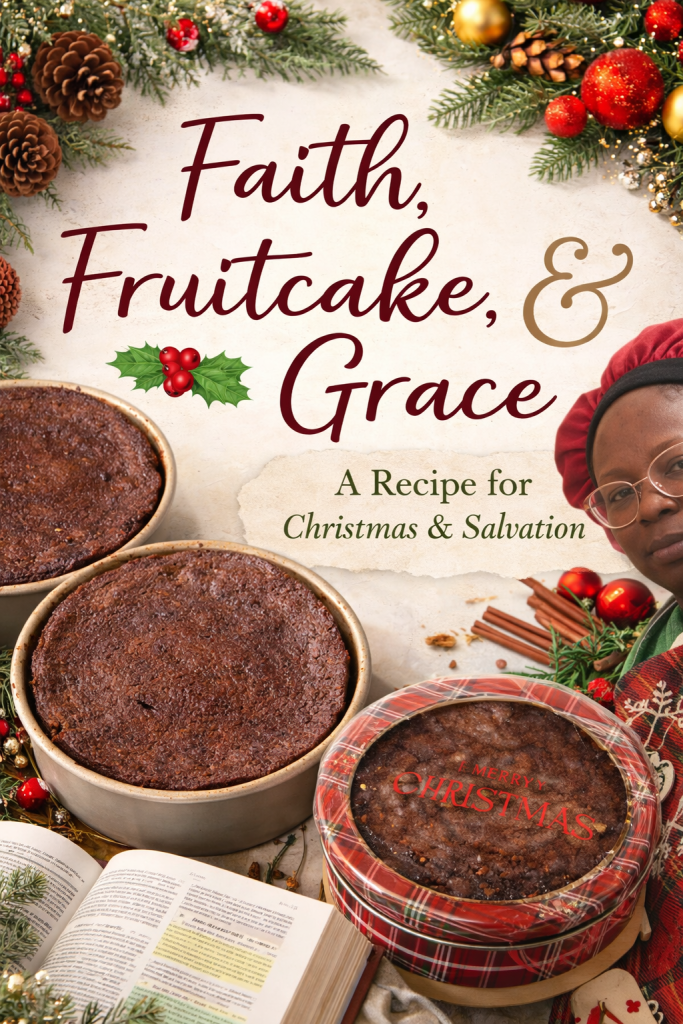
Festive Christmas card–style recipe for Authentic Jamaican Fruit Cake, adapted from “How We Rowes Cook” and family guidance. (see the AI-generated image above)
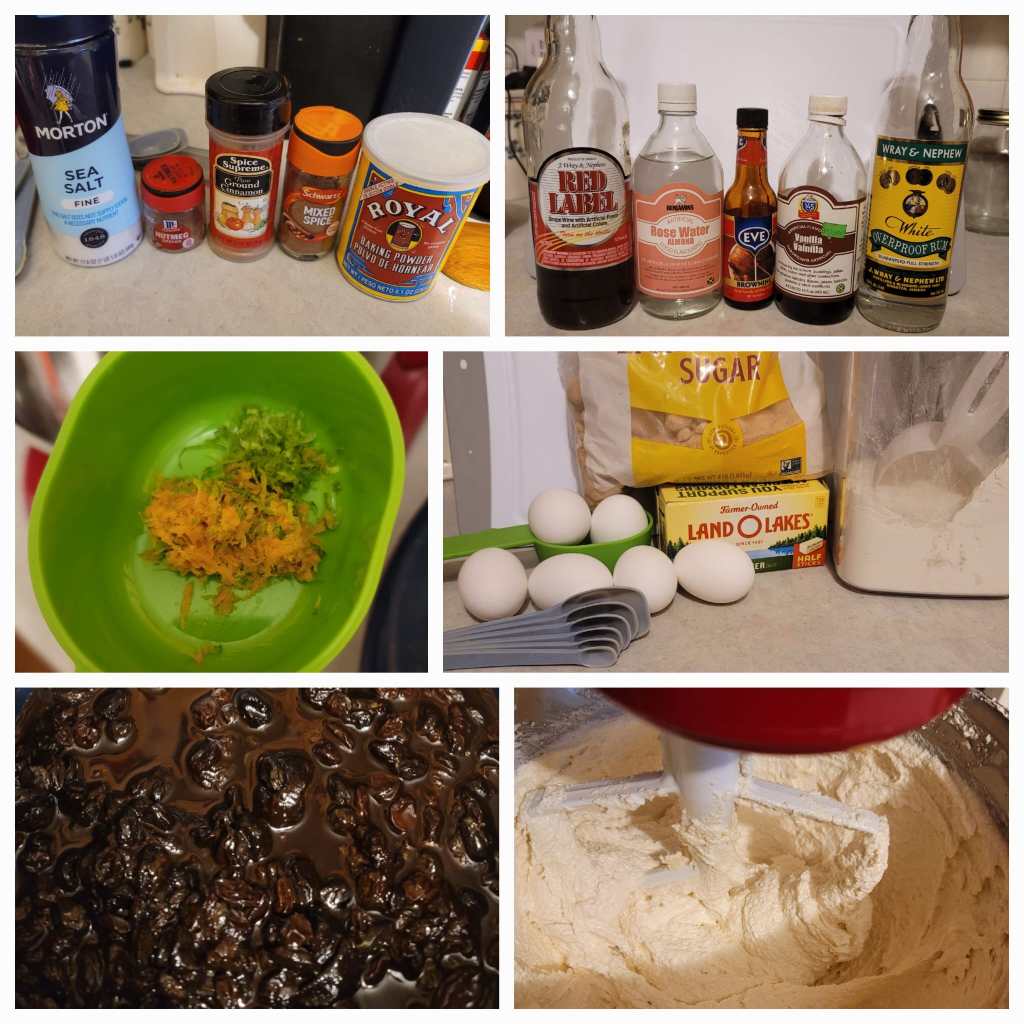
Step One: Gathering What You Have (and Receiving What Was Sent)
Before anything beautiful happens, you work with what’s already in front of you. Flour. Butter. Sugar. Eggs. Fruit that’s been soaking longer than expected.
And sometimes, what you need arrives from far away.
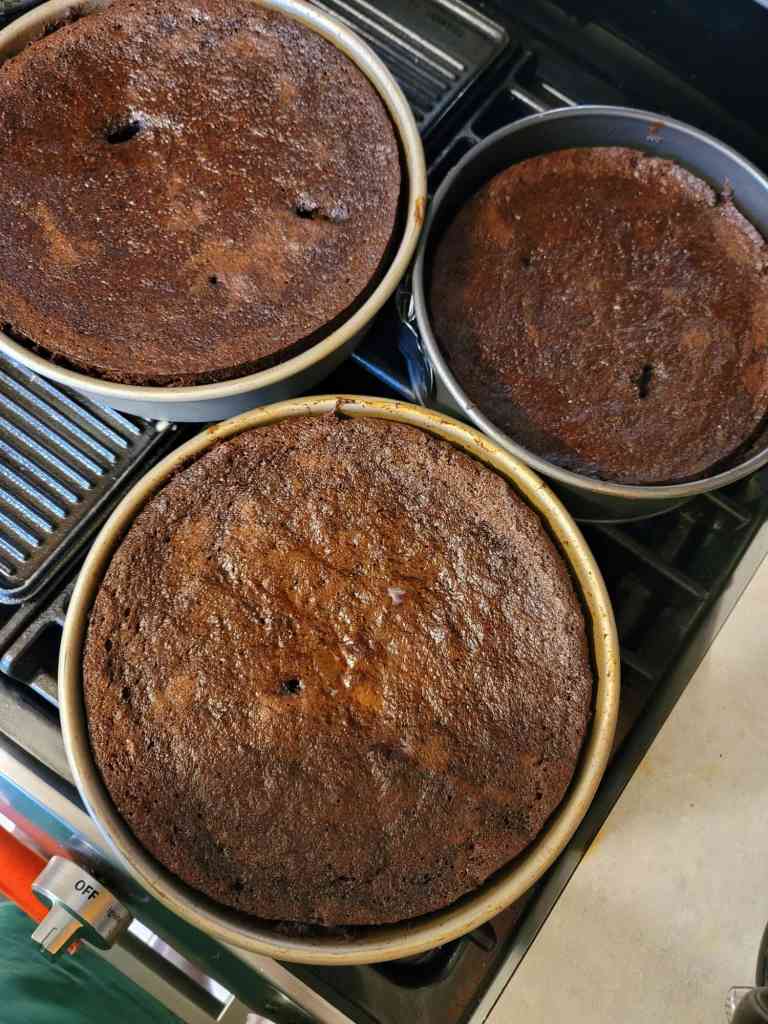
Fresh from the oven, these Jamaican fruit cakes are perfectly baked, rich, and ready to soak up all that holiday goodness.
Let’s Eat: Salvation and Baptism
Just as each ingredient and step is necessary for the cake to come together, salvation requires a simple, faithful response: recognize your need, confess Jesus as Lord, believe He rose for you, and call on Him. Grace will do the rest. Just as my sweet-tooth husband loved my slightly sweeter cake and even asked when it would be sent to New York, salvation is something received with joy, sometimes not perfect, yet fully satisfying to those who accept it.
Baptism is the next step of obedience for those who have placed their faith in Jesus. It is a symbolic act that shows the old life has passed and a new life in Christ has begun. Just as the cake must go into the oven to be transformed, so baptism outwardly demonstrates the inward change that faith brings. It’s like tasting the first slice of a cake you baked for the ones you love—visible, joyful, and a celebration of what God has done inside you.
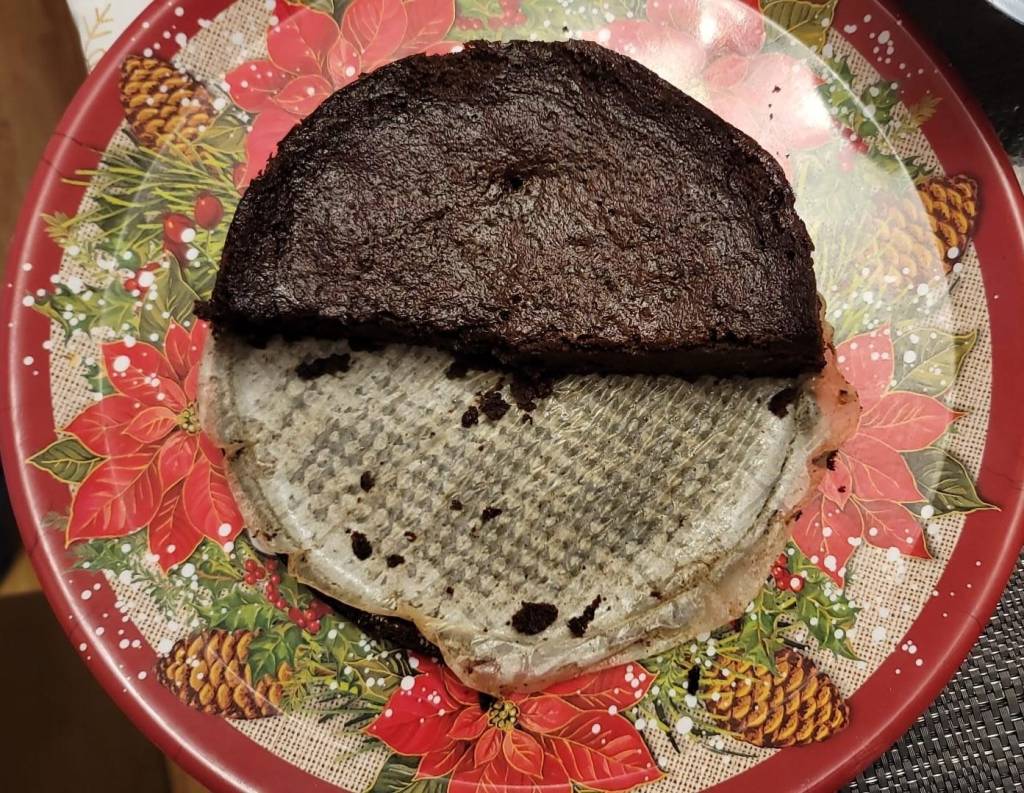
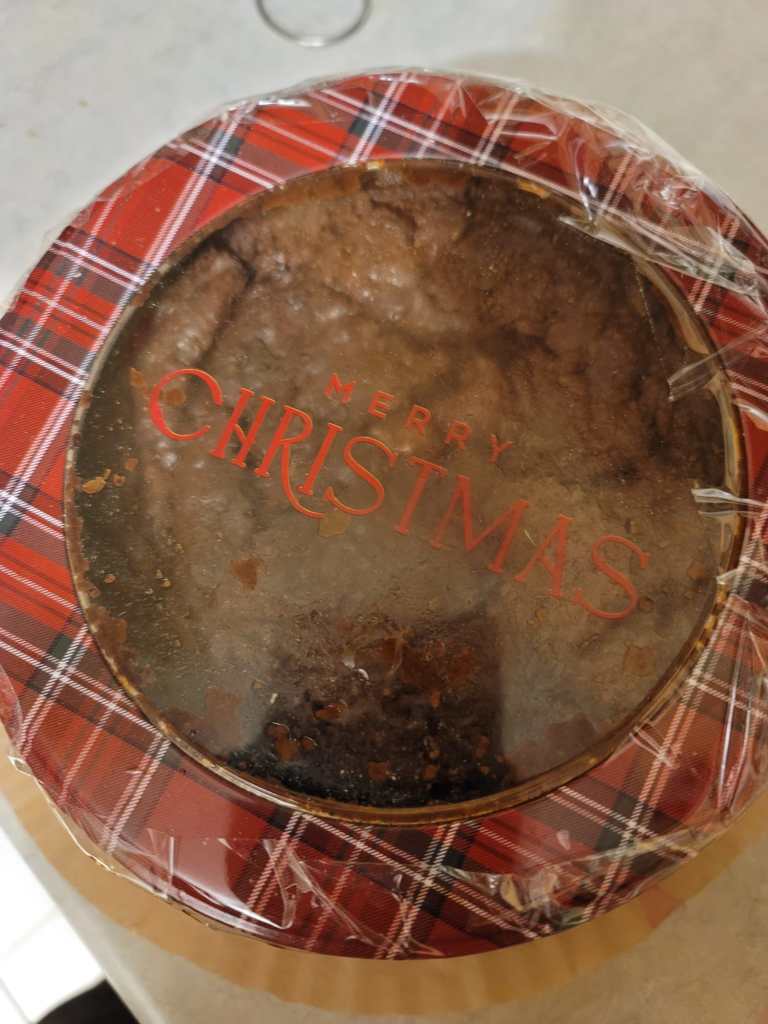
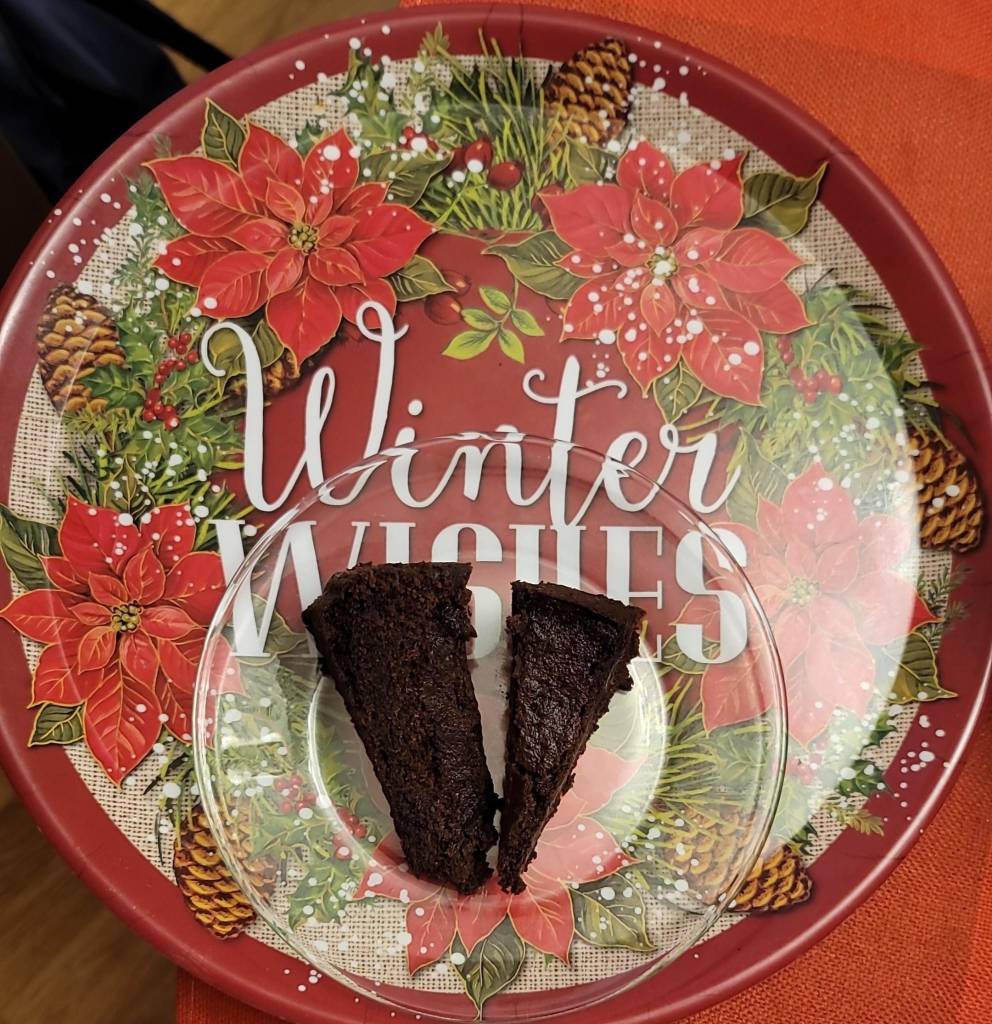
Half of this rich Jamaican fruit cake, sliced to show its dense, boozy crumb and jewels of rum-soaked fruit in every bite.
A Folklore Reflection: The Traveling Ingredients
Across many cultures, there are stories about sacred dishes that cannot be made from local markets alone. Certain meals require ingredients that must travel, carried across distance, time, and memory, because what gives the dish its meaning cannot be rushed or substituted.
Some flavors only come from waiting.
Some ingredients must soak.
Some elements must be sent.
That was true for this cake.
My mother sent the fruit—soaked for over a year, saturated with patience and intention. She sent the Red Label wine that could not be replicated by anything on my shelf. My father sent the Wray & Nephew rum, strong, unmistakable, carrying history in every pour.
None of those things could be sourced where I live.
They had to come from home.
Salvation works the same way.
What we needed could not be produced locally—in our own strength, effort, or goodness.
If your faith feels unfinished… If your season feels delayed… If your recipe doesn’t match anyone else’s
Keep baking.
Grace knows what it’s doing.
Two slices of Jamaican fruit cake, showing off their dark, moist crumb and studded rum-soaked fruits, ready for sharing. It is sweeter than it is supposed to be, because of my memory struggles.
Closing Prayer
Lord, thank You for meeting us in the middle of the process. Teach us to trust Your timing, Your steps, and Your grace. May we become living testimonies of what You can do with willing hands and surrendered hearts. We also thank You for our family and friends who always think of us, who send their love, encouragement, and blessings, and who make our lives richer in every season. May You continue to bless them abundantly. in Jeus name, Amen.
AI-generated photo
Thank you for reading. Please remember to like, comment, share, and subscribe (it’s free to subscribe now).























Leave a Reply