Grace Across Borders: Biblical Lessons and Global Legends

Faith. Life. Culture. Grace.

Weekly reflections to read or listen to, wherever you are.

Author: Tameka Edwards Gooden

  • Picking Peas and Blessings: Grace Across Generations in Jamaica

    Hi and welcome.

    Today, as Jamaica celebrates its 63rd year of independence, my mind drifts not only to the flutter of flags and the rhythm of reggae, but to the deeper threads of heritage that bind us—stories of resilience, generational grace, and the cherished rituals that shape our families.

    Independence, after all, is more than sovereignty. It is the freedom to remember, to gather, and to honor the hands that shaped us—one patient act at a time.
    (Disclaimer: I’m not sure if Nanny, our national heroine, had children or if this story is about her. I just love that today we celebrate independence, which was made possible by our heroes and heroines.)

    A Blessing Beyond Tradition – Jacob and His Grandsons
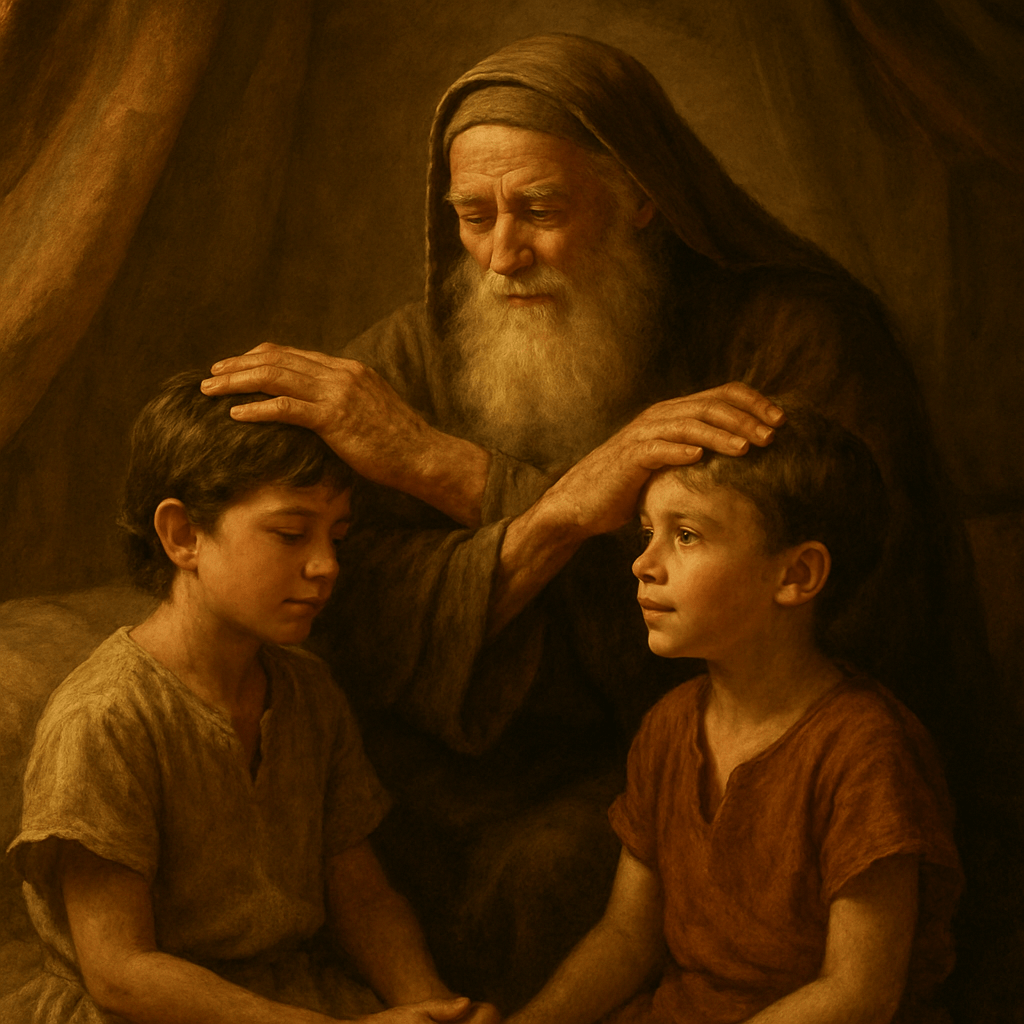
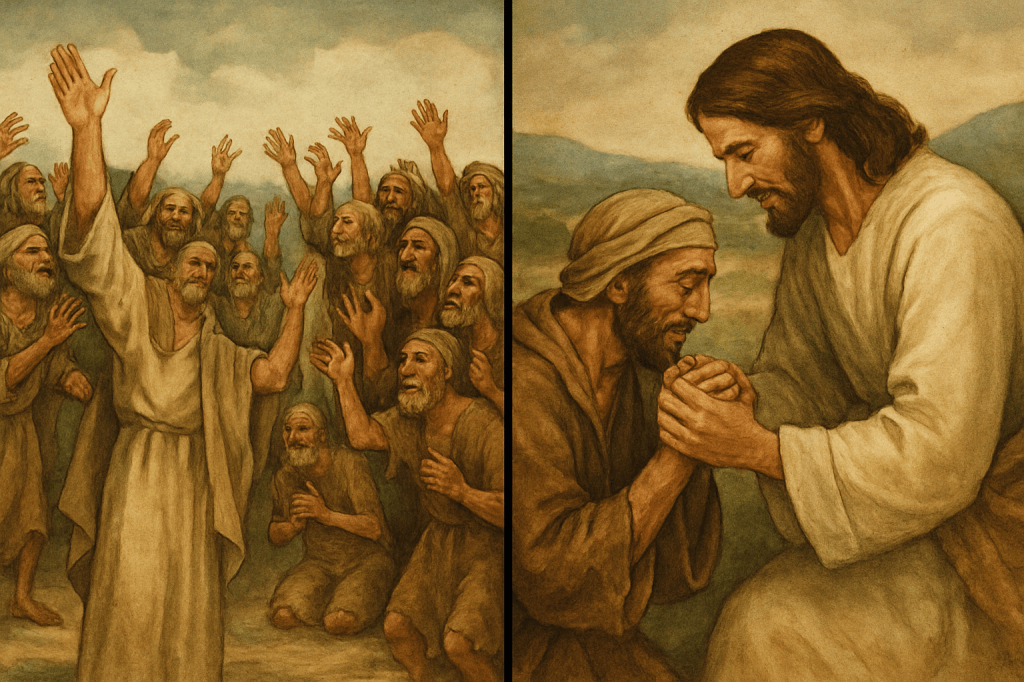
    AI picture of what Jacob was doing.

    In the Book of Genesis, Jacob—old and wise—calls his grandsons, Ephraim and Manasseh, to his bedside for a final blessing (Genesis 48).

    Their father, Joseph, expects tradition: the elder, favored; the younger, secondary. But Jacob, guided by love and a sense for destiny that transcends law, crosses his arms and blesses them both according to their need rather than their birth order.

    In that moment, grace flows through generations—not as custom demands, but as attentive love discerns.

    The Tale of “Granny Nanny and the Hidden Heart.
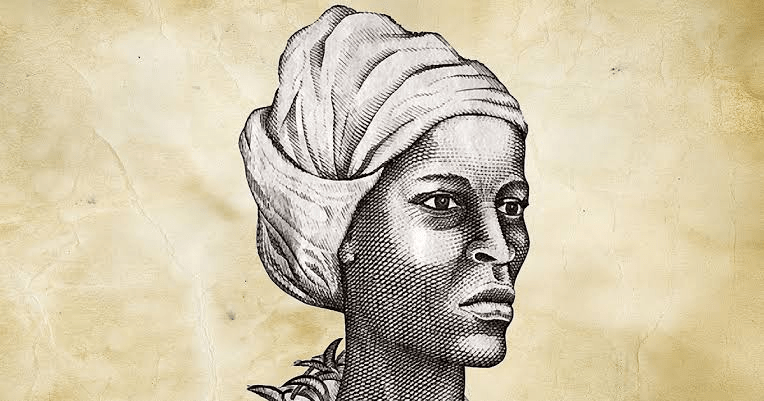
    Picture of Nanny of the Maroon. Continue to SIP.

    Jamaican Maroon folklore reveres Granny Nanny, the legendary matriarch said to nourish and shield those seeking refuge in the mountains.

    When times were dire, she would slip into the bush beneath the moon, returning with wild yams and jungle peas.

    Even when food was scarce, every child—however fussy—found comfort in her cooking.

    Granny Nanny, with a quiet smile, sometimes picked through bowls, tailoring meals to little hungers and odd tastes, ensuring that even in hardship, each child felt seen and cared for.

    Her nurture wasn’t merely about food—it was about dignity, wisdom, and a love that bends but never breaks.

    A Saint Thomas Summer – Grace on a Plate

    Gungo peas & rice

    As a child in Kingston, few things stirred my spirit like those pilgrimages to the country—Saint Thomas—where my great-grandmother’s house waited, cradled by sugar apple trees and fields alive with promise. Days were spent beating cocoa for thick hot chocolate, plucking carrots, picking peas till our baskets overflowed, and laughing as we rode the family donkey past wild green hedgerows.

    One summer, after a nerve-stretching journey slowed by traffic and accidents, my brother and I finally arrived—bags in tow, tired but eager—long after the Friday sun had set. Sabbath had begun. My great-grandmother, a staunch Sabbath keeper, welcomed us with open arms, She always made us feel safe and at home.

    “Oh, I have gungo peas and rice for you—it is delicious!” she declared, her pride mixing with grandmotherly anticipation. Country food always brimmed with abundance, and this dish in particular was heavy on the peas—the ratio nearly one pea to five grains of rice.

    Hungry, but honest to a fault, I blurted, “Grandma, I don’t eat peas anymore. It feels like I’m squishing bugs in my mouth.”

    She said nothing in return—no frown, no cross word. Instead, she told us to go wash up and come back to eat. Because it was the Sabbath, she wouldn’t light a stove to cook something else. But she would find a way.

    By the time I returned to the kitchen, my plate was waiting, warm and ready. Every single pea had been carefully removed from the rice. My great-grandmother had sat there in silence and picked each one out—pea by pea, spoon gently clinking against the plate, her love poured out in the quietest act of grace.

    And when I saw that plate… I cried.

    I cried because I realized what she had done for me. And from that moment on, I started eating peas again. There was no way I could let her go through that for me ever again. Her love, her loyalty to how she lived Christ, brought me closer to Him.

    Where Stories Meet – The Shape of Grace
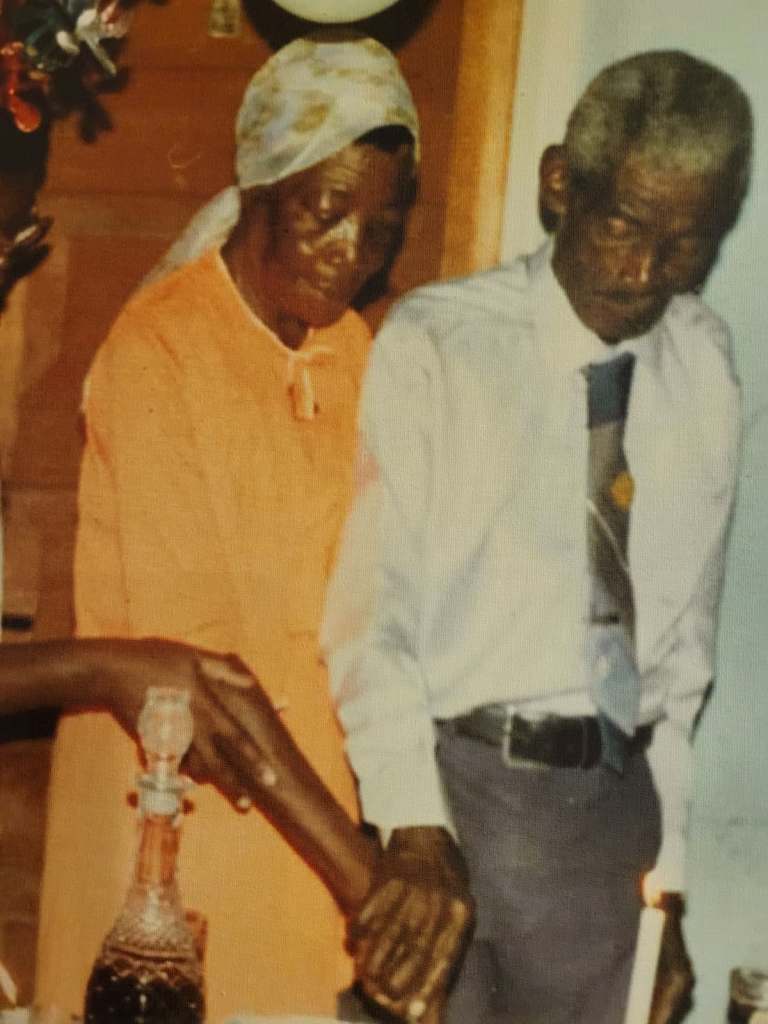
    Mami & Papi-My great grand parents-cutting the cake as we celebrated their anniversary and Papi’s 80th birthday.

    On Jamaica’s Independence Day, I remember these threads braided through time: a patriarch crossing arms in defiant love, a folklore matriarch coaxing abundance and comfort from hardship, and my own great-grandmother turning an ordinary meal into a ceremony of compassion.

    Grace, I’ve learned, is as much about adapting within our boundaries as it is about breaking them. In every culture, across every table, it is acts like these—tailoring love to the moment, honoring both tradition and the unique need before us—that knit families and nations together. The legacy of independence, both national and personal, lives in bowls of rice and peas, in hands that pick through for “just what you need,” and in the freedom to be cherished as you are.

    May our stories—and the grace within them—carry forward, from generation to generation, as surely as Jamaica’s promise of freedom and renewal each August.

    Call to Action

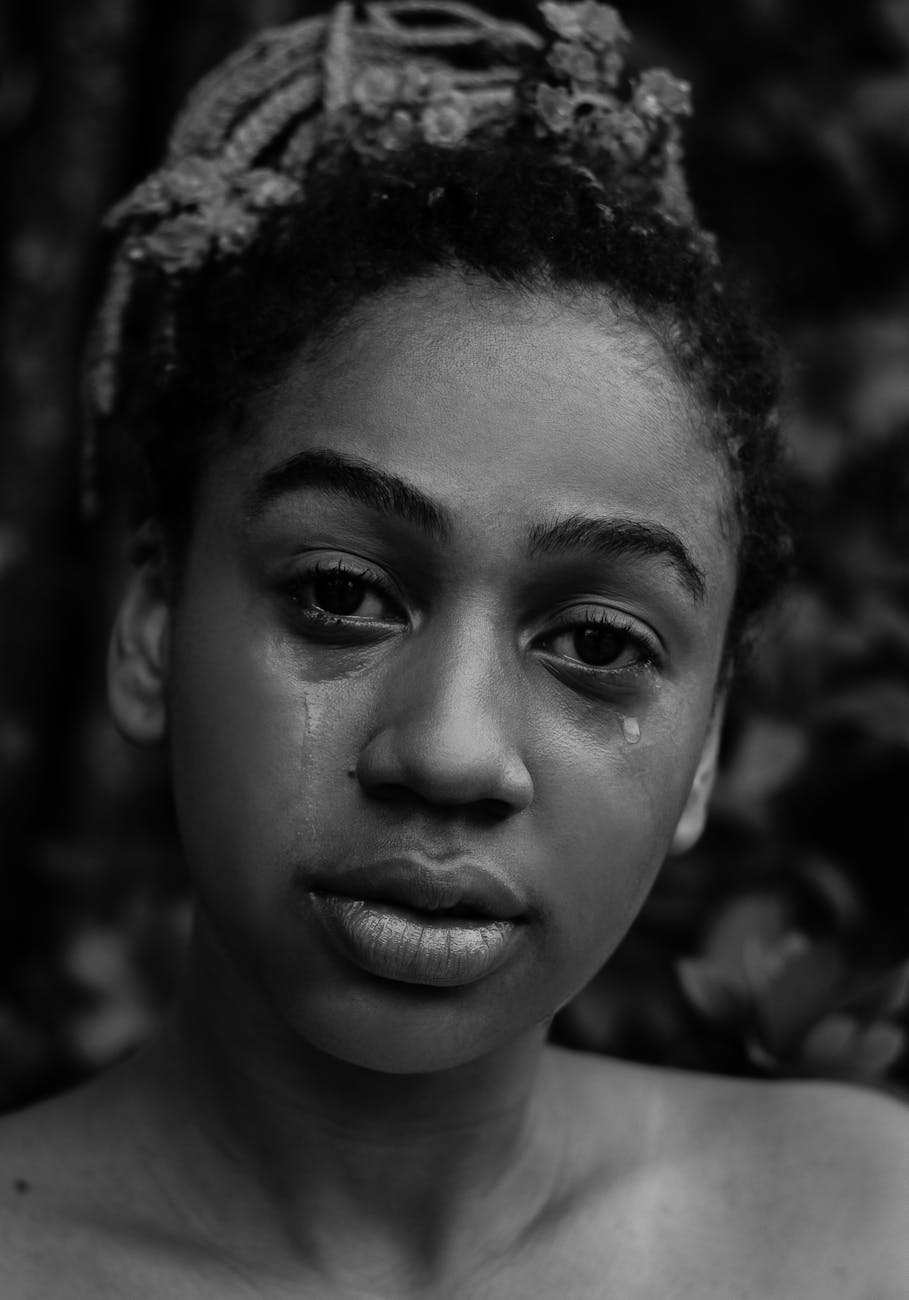
    Photo by Arina Krasnikova on Pexels.com

    As Jamaica marks another year of freedom and as we celebrate the small, quiet mercies that shape our lives, I invite you to reflect: Who has shown you grace in the everyday? Is there a ritual, a meal, or a memory that speaks of love beyond words—perhaps even within limits or old traditions?Share your own stories of generational care and simple acts of kindness in the comments or with someone you love today.

    Let’s honor the grandmothers, grandfathers, elders, and ancestors—those who, like my great-grandmother, showed us that real grace is found in every grain and every gentle gesture.May we all, in our corners of the world, find new ways to offer that grace forward

    Thank you for being here!
  • When the Spirit Speaks Louder Than Fear

    Hi, I’m Tameka, and welcome to another story of grace that breaks through the darkness—sometimes even the darkness we don’t understand. If this story resonates with your spirit, please share it so others can be reminded that Jesus still delivers today. If it does anything else to you, remember 2 Timothy 1:7.

    The Man in the Tombs

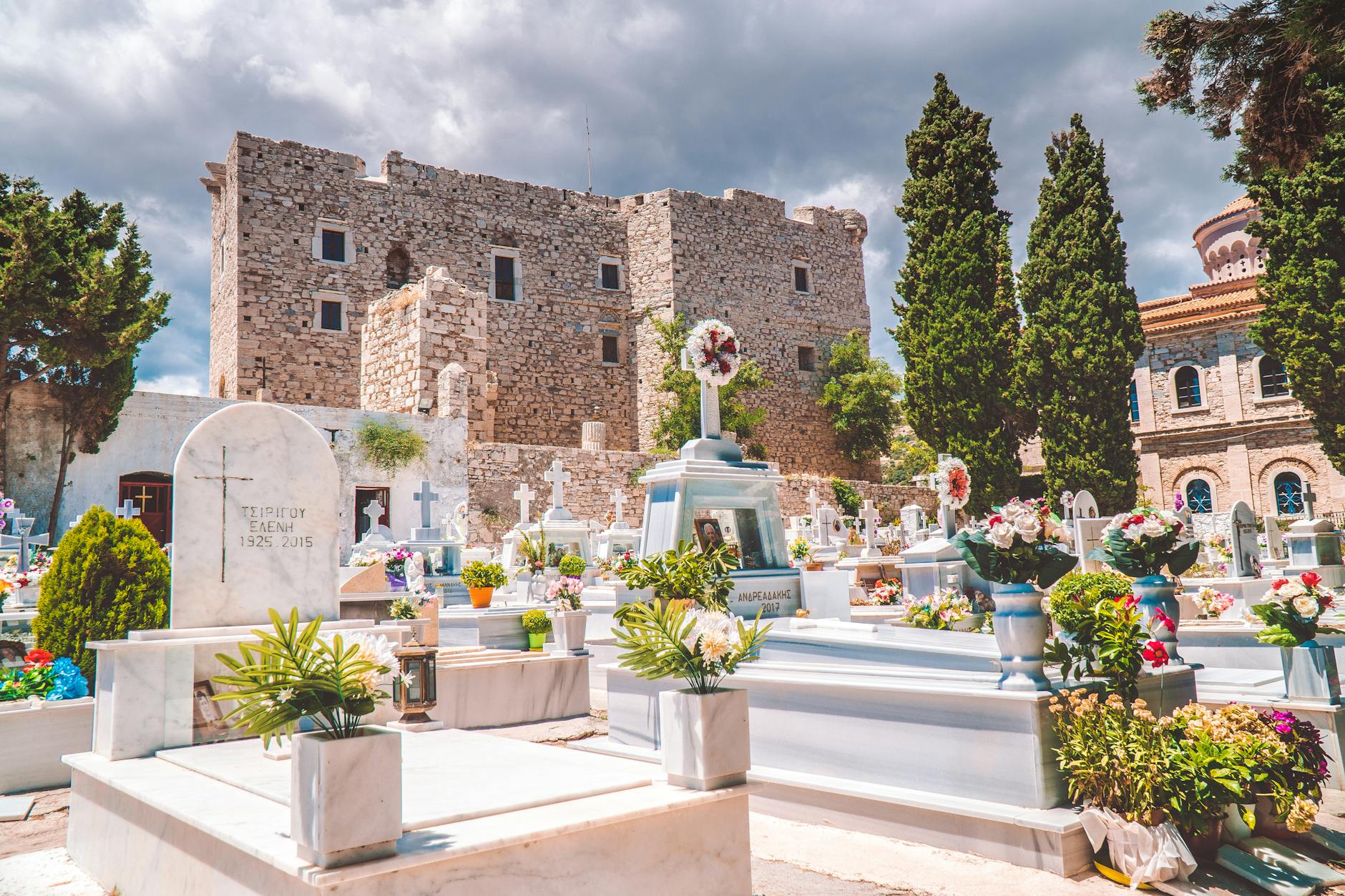
    Photo by Matthias Groeneveld on Pexels.com

    Jesus crosses the Sea of Galilee and lands in the region of the Gerasenes (or Gadarenes), where He encounters a man possessed by a legion of demons. This man lives among the tombs, is bound in chains (which he breaks), and is completely outcast from society. When Jesus confronts the demons, they beg not to be sent away, so He permits them to enter a herd of pigs, which then rush down a steep hill and drown in the sea.

    The man is left clothed and in his right mind, sitting at Jesus’ feet. As Jesus prepares to leave, the man begs to follow Him, but Jesus says:

    “Go home to your people and tell them how much the Lord has done for you, and how He has had mercy on you.”
    (Mark 5:19)

    The man becomes one of the first missionaries, spreading the good news in the Decapolis—a Gentile region!

    From outcast to evangelist—his life became his testimony.

    Folklore Wisdom: The Shadow-Walker

    Photo by brenoanp on Pexels.com

    In an old Caribbean folktale, a man lived in a village where things always went wrong whenever he appeared. Crops failed. Livestock vanished. Babies cried. People whispered, “He walks with a shadow.”

    No one could see the shadow, but everyone felt it.

    An elder woman finally stepped forward. She told the man to meet her at the river at dawn. There, she prayed. The man trembled. He screamed in voices that weren’t his. The water churned. But the woman didn’t flinch. She called out in the name of the Most High.

    And the shadow left.

    The villagers said he looked different—lighter. Freer. Some said he looked ten years younger. But more than anything, he was finally at peace.

    The story ends with the elder saying:

    “Not every spirit walks loud. Some whisper and wait. But even whispers must flee when called out in truth, by the name of Jesus”

    The Night I Watched Deliverance Happen

    Photo by Josh Sorenson on Pexels.com

    I was in high school in Jamaica, part of a group called Inter-School Christian Fellowship (ISCF). We traveled around Kingston & St. Andrew and St. Catherine, singing, worshiping, and testifying. One girl from our school always came with us, but something about her felt… off. She didn’t speak much, but her presence carried a heaviness. At the time, I couldn’t explain it. I just knew that being around her felt unsettling.

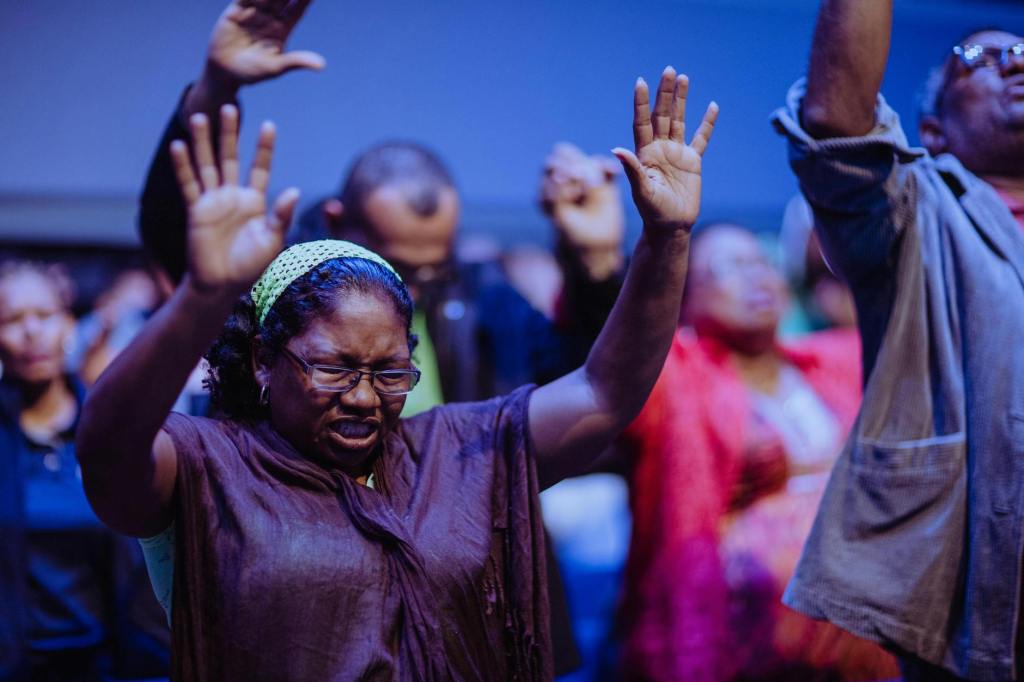
    Then came the night in Spanish Town. The auditorium was packed—hundreds of students worshiping with reckless abandon. The Spirit of God moved in the room like a rushing wind. People were praising, crying, even being delivered.

    That’s when she got up.

    She walked to the front and began screaming. Not like someone emotional in worship—no. These were sounds from somewhere deeper. Unnatural. Voices came out of her that weren’t hers. One after the other.

    The youth leaders warned us:

    “If you don’t believe, please leave. What’s in her can come out—and go into someone else.”

    But I couldn’t move. I was rooted in prayer. The Holy Spirit had me there to witness.

    From Screams to Stillness

    The leaders began praying over her. She resisted. One of the voices said, “We’re not coming out.” Another, deeper voice claimed to be her grandmother. We watched in awe and trembling as they commanded, in Jesus’ name, for the spirits to leave.

    One by one, they did.

    Afterward, the girl looked… different. She looked younger. Free. Radiant. It was as if her soul had finally been able to exhale.

    And I knew, deep in my spirit, that I had just witnessed something holy.

    Grace Beyond Darkness

    That night wasn’t about fear. It was about freedom. I saw with my own eyes what we read in Scripture and hear in stories. Jesus still delivers. He still sets captives free—whether in tombs, by rivers, or in high school auditoriums.

    Like the man in Mark 5, the girl from our school had been tormented.
    Like the shadow-walker, she carried something that didn’t belong to her.
    But like both, she encountered a name that no spirit can withstand.

    And that name is Jesus.

    Final Reflection: Don’t Ignore the Weight

    Sometimes what people carry isn’t visible—but it’s real. And sometimes, like me, God doesn’t call us to run, but to stand and witness. Because every deliverance reminds us of His power. His mercy. His grace.

    I’ll never forget that night.

    Not because it scared me—but because it reminded me that light always overcomes darkness.

    And if He did it for her,
    He can do it for anyone.

    He is the same God!

    Remember,

    Greater is He who is in us, than he who is in the world. (1 John 4:4)

    Hope is rising. Chains are breaking.

    And the name of Jesus is still enough.

    Amen.

  • Grace Through Betrayal

    Hi, I’m Tameka, and welcome to another post from Grace Across Borders.

    Before we dive in, I want to thank you for your grace and patience. This post is arriving later than planned due to a mix of life’s interruptions—ongoing health challenges, a full load of schoolwork, and attending a conference where Wi-Fi was limited. Honestly, I was overwhelmed. But as I prayed and waited, I realized: even delays carry purpose.

    So thank you for sticking with me.

    Today’s post is deeply personal. It comes from a place of hurt, betrayal, and, most of all, choosing grace when revenge felt easier. I invite you not just to read it, but to reflect and pray with me. Maybe even think about your own borders—where love and hurt have met—and what grace looks like on the other side.

    If this post touches you, would you share it with someone who may need it? Would you pause and pray for someone who’s hurt you? Or simply sit in stillness and let grace meet you where you are?

    Now, let’s journey together.

    When Kindness Is Met with Cruelty

    Photo by Mikhail Nilov on Pexels.com

    There’s a kind of grace that stretches across borders—not just geographic or cultural, but emotional. The kind of grace that calls you to give when it hurts, love when it’s not returned, and serve even when no one says thank you.

    A while ago, a friend of mine was diagnosed with cancer while on assignment with the Navy—far away from family and support. She was going to battle it alone. I couldn’t bear that, so I stepped in. I drove her to her appointments. I got up at 4 a.m., canceled my own responsibilities, and waited through not one but two surgeries.

    Then—she vanished.

    I tried calling her, worried. Did the cancer win? Why isn’t she answering my calls?

    No answer. I tried from a different number, and she picked up, sounding distant. She promised to call back. When she did, her words were harsh—vulgar even. She asked angrily, “Why did you call me?” I knew in that moment that the friendship was over.

    I hung up. Not because I was finished speaking, but because I didn’t want to respond in the manner she deserved. I wanted to honor God, even while being dishonored by someone I had sacrificed for.

    The next call I received was from the police. She had gone in to file a restraining order against me. She told them she had cut off our friendship months ago and that I was harassing her. I was stunned. Me? The one who stood beside her when no one else did?

    I felt betrayal like a knife in my chest.

    The officer told me calmly: “We’re not taking action, but if she brings proof of continued contact, we will have to follow up. Just avoid her.” I said nothing more. I didn’t fight. I didn’t retaliate. I hung up the phone and fell into prayer.

    At first, the enemy whispered, Get back at her. Make her feel what she’s done. But then God spoke louder: Leave room for Me. Forgive. Pray.

    I went to my church family, the ones who knew what I had done for her, the ones who prayed with me for her daily, and I asked them to pray. Not just for me, but for her. Clearly, something was wrong beyond what I could see. I remembered the story of Jesus and the ten lepers. And suddenly, I understood it in a new way.

    Only One Turned Back

    Jesus was traveling between Samaria and Galilee when ten lepers cried out from a distance: “Jesus, Master, have mercy on us!” They didn’t just want healing—they needed to be seen, included, loved.

    Jesus didn’t touch them. He didn’t ask questions. He just said, “Go show yourselves to the priests.” They obeyed—and on the way, they were healed.

    But only one came back to thank Him. A Samaritan. An outsider.

    Jesus asked, “Were not ten cleansed? Where are the other nine?” And then He said to the man, “Rise and go your way; your faith has made you well.”

    Jesus healed them all—but only one showed gratitude. The rest walked away, changed on the outside but unchanged in heart.

    I saw myself in that moment. I felt not as the leper—but as Jesus. Giving, serving, healing, and being abandoned. It reminded me: even when we do good, we may not be thanked. We may even be falsely accused.

    Still, like Jesus, we are called to extend grace.

    The Selfless Tree (Indian Tale)

    Photo by KayVic P on Pexels.com

    Long ago, in a quiet forest, there stood a tree who loved a little boy.

    Every day, the boy would come to the tree to play. He climbed her branches, swung from her limbs, and rested in her shade. The tree was happy.

    As the boy grew older, his visits became less frequent. But every time he returned, he came with a need—and the tree gave.

    When he was hungry, she offered her apples.
    When he needed money, she said, “Take my fruit and sell it.”
    When he needed a house, she offered her branches to build it.
    When he wanted a boat to escape life’s disappointments, she gave her trunk.

    Each time, she gave a little more of herself—until nothing was left but a stump.

    Years later, the boy—now an old man—returned, weary, broken, and tired.
    “I have nothing left to give,” said the tree, “but you can sit and rest. I will hold you one last time.”

    And the tree was happy.

    A Prayer Across the Border

    Photo by Arina Krasnikova on Pexels.com

    Lord,
    You see hearts we cannot.
    You hear cries behind the anger, and pain behind the betrayal.
    Thank You for giving me the strength not to retaliate,
    but to release.
    Cover my friend with grace—yes, even now.
    Whatever brokenness she carries, meet her there.
    And when I feel empty like the stump of that tree,
    remind me: You still use stumps.
    You still give peace.
    Amen.

    Grace doesn’t stop at rejection.

    Grace doesn’t wait for gratitude.

    Grace crosses borders—even the ones drawn in pain.

  • When Silence Speaks Loudest
    Photo by Markus Winkler on Pexels.com

    Hi, I’m Tameka, and welcome to another story of grace transcending borders, even the borders of regret. If this story touches your heart, please like and share so others can experience this grace too.

    Esther’s Silence Almost Cost Lives

    Photo by RDNE Stock project on Pexels.com

    Esther was a young Jewish woman living in exile in Persia during a time of great political upheaval. Orphaned early, she was raised by her cousin Mordecai, who served as a government official. When King Xerxes (Ahasuerus) dismissed his queen, he held a kingdom-wide search for a new queen, and Esther was chosen, though she kept her Jewish identity secret.

    But her new royal position was not for comfort or ease. When a cruel decree was issued to annihilate all Jews in the empire, Esther faced a terrifying choice: to remain silent or to risk her life by speaking to the king on behalf of her people. Mordecai challenged her with a haunting question recorded in Esther 4:14:

    “For if you keep silent at this time, relief and deliverance will rise for the Jews from another place, but you and your father’s house will perish. And who knows whether you have not come to the kingdom for such a time as this?”

    Esther’s hesitation was understandable—appearing before the king uninvited could mean death. But her silence could have meant devastation for her people. Ultimately, Esther embraced her purpose and spoke boldly, changing the course of history and securing deliverance for her people.

    This story reminds us that sometimes our circumstances place us exactly where we need to be, not for comfort, but to make a difference.

    Folklore Wisdom: The Silent Messenger

    Photo by Lucie Nelson on Pexels.com

    An old West African folktale tells of a man chosen to deliver a message that would save a kingdom. As he journeyed toward the palace, he passed through several villages. In each one, he was offered food, music, and dancing. Distracted and flattered, he stayed longer than intended. By the time he arrived at the palace, the kingdom had already been invaded. The message he carried—one that could have warned and prepared them—was too late.

    He had the truth.
    He had the opportunity.
    But he lacked urgency.

    The Night I Danced Instead of Witnessed

    Photo by Tara Winstead on Pexels.com

    I was baptized at the age of eleven, after a powerful encounter with the Holy Spirit. I cried my way to the altar, ready to live for God. That commitment stayed with me through many stages of life. But when I moved to Montego Bay to study hospitality at a HEART institution, things began to shift.

    Montego Bay was vibrant. The hotel industry was lively. And the nightlife? Tempting.

    I started partying and living like most people my age—free and careless. I made friends who never knew about the Jesus I loved. One of them was my barber and dancing partner. I went out one night and ran into him, and we danced until 4 a.m. I walked home, he took one of his taxis home, and we agreed to meet at 7 a.m. for my haircut later that morning.

    When I arrived at the shop, I sat in the chair waiting for him. But he never came.

    I did not notice the candles lit.

    or the flowers that was placed at his station as a memorial for him.

    I turned around to see his picture on the glass on his station.

    I hollered. I was lost when I found out that he died in a car crash minutes after leaving me. His taxi collided with another vehicle. He was the only one who died.

    I never once shared the gospel with him.

    I cannot remember doing it.

    I had so many opportunities. We laughed. We hung out. We danced. But I said nothing about salvation.

    I grew my hair out and never partied again.

    Like Esther, I had a moment that could have mattered.

    Like the messenger in the folktale, I got distracted by the music and missed the mission.

    Grace Beyond Regret

    Photo by Mateus Souza on Pexels.com

    That night still haunts me. It was about 25 years ago.

    But I also know this—God’s grace is bigger than my silence.

    He has taught me not to take moments for granted. He has reminded me that discipleship doesn’t always wear a robe or speak from a pulpit. Sometimes it sits in a barber’s chair or walks out of a club at 4 a.m.

    And now? I speak.

    I share.

    I live boldly.

    I try to live Christ now more than ever,

    Because someone else’s eternity might be shaped by my obedience.

    Remember, you might be the only Bible someone ever reads—so let your life speak of grace, even when words fall short.

  • When I Didn’t Listen—And Grace Still Found Me

    Coming Face to Face with Danger, and the God Who Walks Through Shadows

    Photo by Vie Studio on Pexels.com

    Hi, I’m Tameka! Welcome to another post from Grace Across Borders, where personal stories meet Scripture and folklore to reflect on God’s protection, mercy, and presence—even when we’re not listening.

    This post is more vulnerable than most. It’s a story I haven’t always shared. But in remembering it now, I see God’s hand even more clearly—not because I made the right choice, but because He remained faithful even when I didn’t.

    Let me take you back to a moment when I ignored the nudge of the Holy Spirit… and still, grace met me there.

    Montego Bay, 4:00 AM: A Voice I Should’ve Listened To

    Photo by Ave Calvar Martinez on Pexels.com

    Years ago, while living alone in Montego Bay, Jamaica, I worked the early morning shifts at a fancy hotel. That meant I had to leave my home around 4 a.m. to make it to work by 5.

    One morning, running late, I threw open my door, looked down the steps to the quiet street, and spotted a man riding a bicycle. Our eyes met, and something inside me felt off. My stomach dropped. I heard a whisper in my spirit: Go back inside. Just for a moment.

    But I didn’t. I was late.

    I rushed down the stairs (oh, to be young again!). As soon as I hit the sidewalk, he was there—right at my feet, asking for money. I told him I didn’t have any. He jumped off the bike, pulled a gun, and shoved it into my side.

    He forced me behind the stairs I had just run down. It was still dark. No one could see. No one was coming.

    Then he said words I’ll never forget:
    “You don’t have money, but you have something else I can use. Drop yuh pants.”
    He added, “Mi just come from prison. Mi need dis.”

    He fumbled at my clothes. I froze.

    But in that frozen place, something rose up inside me. Words. Courage. Strength. A calm I didn’t own.

    I eased him off. I opened my purse and handed him the only money I had—my taxi fare. I said, “I’m late for work. I don’t have time for this. I am not the one!”
    And I walked away.

    As I stepped out of the shadows, a taxi pulled up immediately, as if heaven had sent it. The driver said nothing at first. He just saw me, saw something, and drove. I was in tears after reality stepped in. he knew what had happened. He dropped me off at the next stop, paid for the next cab, and told me, “It’s gonna be okay.”

    I trembled for days afterward. I still couldn’t believe I had escaped before he could carry out his threat. But I did.

    The very next day, the news broke:
    That man had raped four other women. He got into a shootout with the police—and was killed.

    Imagine that. The danger was real. The gun was real. His threat of rape was real. Four women, just like me, were hurt by him.

    I wasn’t just lucky—I was graced beyond measure.

    Biblical Parallel: When You Can’t Escape Him

    Photo by Patricia McCarty on Pexels.com

    “Even there your hand shall lead me, and your right hand shall hold me.”
    —Psalm 139:10 (ESV)

    Psalm 139 is David’s love song to the God who is inescapable. He says, “Where can I go from your Spirit? Where can I flee from your presence?” (v.7). The answer is nowhere. Not into the sky. Not into darkness. Not even into danger I walk into myself.

    When David says, “Even there your hand shall lead me,” he means even in the places I wasn’t supposed to be. Even when I’m wrong. Even when I miss the voice. Even behind a dark staircase at 4 a.m., His hand still held me.

    That day, I learned firsthand that grace sometimes comes wrapped in courage, not comfort. God didn’t shout at me for ignoring His warning—He sent strength anyway. He sent a taxi anyway. He sent deliverance.

    Folklore from Home: The Spirit’s Warning

    Photo by Mwabonje Ringa on Pexels.com

    In Jamaican culture, there’s a phrase: “When yuh spirit tek a set pon something, listen.”

    It’s more than superstition. It’s wisdom passed down. The elders believed that the Spirit would always give a signal before danger came. A chill. A pause. A “bad feeling.” And when that feeling came—you were to stop, wait, listen.

    I didn’t listen that morning. But the Spirit didn’t abandon me. Instead, He walked me through it.

    Reflections From the Other Side

    Photo by KoolShooters on Pexels.com

    I now understand that obedience saves, but grace sustains. Yes, I should have turned back. But God doesn’t just meet us at the point of perfect choices. He meets us where we are: scared, out of time, stubborn, vulnerable.

    His grace isn’t fragile. It doesn’t fold when we falter. It covers us.

    That morning taught me to always trust that still small voice. But it also taught me this:

    Even when we don’t deserve it, God still shows up.
    Even there, His hand still leads.

    Your Turn to Reflect

    Photo by Jess Bailey Designs on Pexels.com

    Are there moments in your life when you ignored the nudge of the Holy Spirit?
    Are there times you felt like grace showed up when it shouldn’t have?

    Friend, you’re not alone.

    🛐 God doesn’t only protect the obedient—He rescues the desperate.
    💪🏽 Your courage may surprise you, but it won’t surprise Him. He planted it there.
    👣 Even in the darkest moments, He is still leading you back to the light.

    Let’s Keep Shining

    Photo by KATRIN BOLOVTSOVA on Pexels.com

    Thank you for reading this deeply personal post. I’m still learning, still growing, still listening. If my story resonated with you, please share it with someone who needs to know: Your mistake doesn’t cancel God’s mercy.

    And if you’ve ever felt the Holy Spirit’s warning or His rescue, share your story in the comments. This is a place where grace crosses every border, and every story matters. Thank you!

  • Grace Across Borders: Faith, Healing, and Unexpected Lessons

    On Sunday, I experienced my own reminder of faith and grace in the most unexpected way. Let’s dive in, and I hope you will be blessed—and if you are, please let me know by liking, commenting, and sharing. Welcome to another post in Grace Across Borders.

    Faith: Healing from Afar

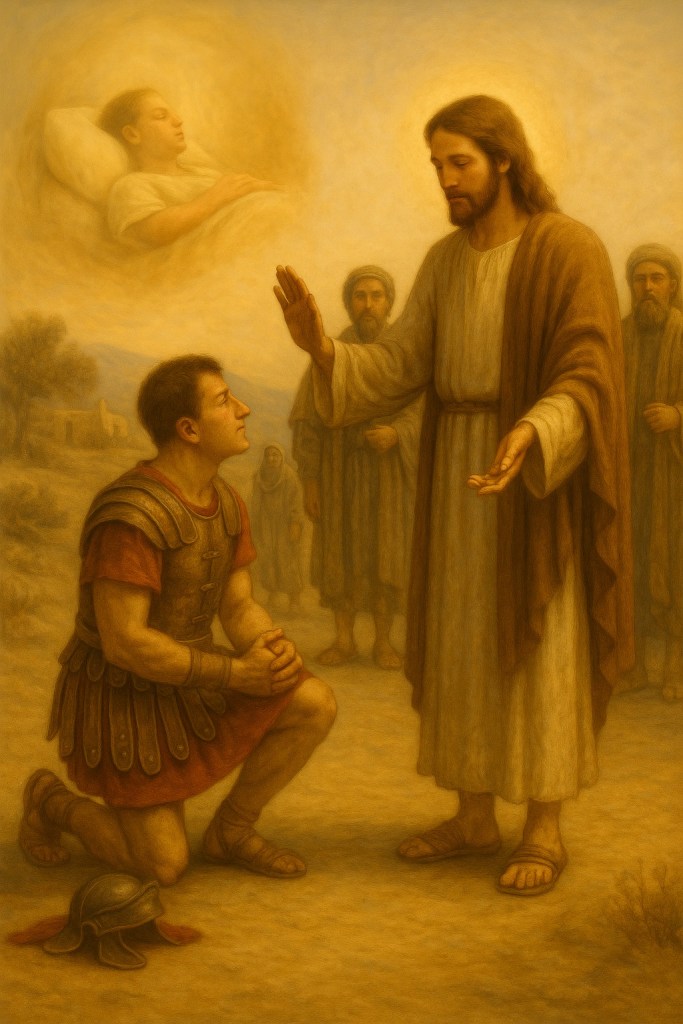
    This week, a powerful story from the Bible has been weighing on my heart—the account of the Roman centurion who came to Jesus, pleading earnestly for his servant’s healing. What struck me most deeply was the centurion’s extraordinary faith when he said, “Lord, I do not deserve to have you come under my roof. But just say the word, and my servant will be healed” (Matthew 8:8).

    Jesus was amazed by this declaration and even said that He had not found such great faith anywhere in Israel. The centurion believed so strongly in the authority of Jesus’ word that he trusted healing would happen simply by Jesus speaking it—without even needing to be physically present. His faith transcended proximity or rituals and rested entirely on the power of Jesus’ command.

    This story offers a profound example of faith that goes beyond what we can see or touch. It challenges me to consider how often I place limits on my own faith, expecting God to act only when I can physically experience His presence or intervention. The centurion’s trust invites me to believe in the power of God’s word itself—the spoken promise—and to remember that God’s work is not bound by distance or circumstance.

    In a world that often demands proof and control, this story reminds me that faith means resting in God’s power even when the evidence is unseen or delayed. It encourages me to cultivate a faith that looks beyond immediate appearances and trusts deeply in the living Word of God.

    Folklore of Unbelievable Faith

    This biblical narrative reminds me of a folk tale I once heard about a distant healer whose voice could travel across mountains and rivers to bring healing to those who believed.

    In the story, villagers would gather, eyes closed and hearts open, fully trusting that the healer’s word—carried on the wind—was enough to mend even the deepest wounds.

    This tale beautifully captures the essence of faith: a belief that goes beyond what we can see, hear, or physically grasp.

    Sometimes, true faith means embracing the unseen power of a word or promise, trusting it to work even across great distances.

    The Messenger in the Ambulance: Chris

    Photo by NHP&Co on Pexels.com

    Sunday, grace found me in the middle of chaos. I was hit with sudden, severe chest pains—sharp, unrelenting, and terrifying. It wasn’t just discomfort; it was the kind of pain that steals your breath and fills your mind with fear.

    In that moment of vulnerability, unsure of what was happening or how bad it might be, I was reminded once again that even in crisis, God is near, often through the hands and hearts of others.

    One of those messengers was Chris—an EMT who responded to my emergency. I noticed a visible twitch and other signs of his own struggle as he carefully hooked me up to the monitors in the back of the ambulance. His movements were deliberate, gentle. He reassured me that I would be okay and offered me aspirin before checking if I was comfortable.

    Then he moved to the driver’s seat. As soon as the ambulance exited my cul-de-sac, sirens blazing, it was clear nothing would stand in its way.

    I’ve been in ambulances before, but never one where the driver moved with such focused compassion.

    The urgency in his driving matched the care he had shown in the back of the ambulance. Chris had every reason to hold back, to let his challenges interfere—but he didn’t. His compassion gave me hope, and his dedication helped me put my own struggles in perspective.

    A Hard Week, a Clear Message

    Photo by Tima Miroshnichenko on Pexels.com

    This week, I wrestled with frustration—slow feedback, sparse communication, and the news that my MDiv program is closing. It made me question whether continuing was even worth it.

    But then came Chris.

    He didn’t say much, but through his care and presence, he reminded me: even in pain and discomfort, we are still whole. God doesn’t wait for us to be “fixed” to use us.

    Like Little James from The Chosen—the disciple portrayed as physically broken yet still sent to heal—I’m learning that healing isn’t a prerequisite for purpose. When I realized that his story wasn’t actually found in Scripture, it reminded me how much I still have to learn. There’s always more depth, even in the stories I think I know.

    Labels like “disabled” or “discouraged” don’t cancel my calling. Wholeness isn’t the absence of pain—it’s the presence of obedience. God’s power is made perfect in weakness.

    There are many reasons I could quit. I’m a disabled veteran. No one would blame me.

    But there’s only one reason I stay the course: God hasn’t released me.

    So I keep moving forward—even if it’s with a limp.

    No excuse. Just obedience.

    Writing from the ER: Unstoppable Grace

    My flowers are blooming, and so is my faith.

    I wrote these words on my cellphone, lying in an ER bed.

    If I can create and share hope from a place of pain, imagine what’s possible when I’m whole. The devil cannot stop us from moving forward with God’s grace. No circumstance, no setback—nothing can separate us from the love and purpose God has placed within us.

    I was released with no real answers, but no pain either.

    I was heading home.

    Another Messenger: Grace in Unexpected Places

    A picture I took of the waiting room at the ER upon my discharge. Never seen one so empty.

    As if God hadn’t already made Himself clear about what I should do, He sent yet another reminder. After I was discharged from the ER, my Uber driver arrived—a man with his own visible disability.

    One of his hands was shorter than the other, and he was missing fingers. Yet, despite this, he opened the door for me to get in.

    Sitting in the back of his Tesla, I was overwhelmed with gratitude. Here was someone who, by the world’s standards, might have every reason to hold back or let discouragement win. Instead, he chose to serve, to show kindness, and to move forward with grace.

    I have no other response than to give God thanks for the events of this day.

    He is truly something else—always finding new ways to show that His grace is sufficient,

    His messengers are everywhere,

    His presence crosses every border of circumstance and expectation.

    “But he said to me, ‘My grace is sufficient for you, for my power is made perfect in weakness.’ Therefore I will boast all the more gladly about my weaknesses, so that Christ’s power may rest on me.”
    —2 Corinthians 12:9 (NIV)

    Prayer:

    Photo by Arina Krasnikova on Pexels.com

    Father, thank You for Your grace that carries us through every trial. Help us to trust that You are working, even when we feel broken or discouraged.

    Let us see Your hand in every act of kindness, every word of encouragement, and every step forward.

    May we never forget that, with Your grace, we are truly unstoppable.

    In Jesus’ name, Amen.

    Let this be a reminder: God’s grace moves across every border—of pain, doubt, or fear. If you’re reading this, know that you, too, are unstoppable when you move with God’s grace

    Written in a moment of pain, but overflowing with hope. Imagine what’s possible when we move with faith and grace, no matter where we find ourselves.

  • When Frustration Boils Over: Lessons from Moses and a Father, Son, and a Donkey

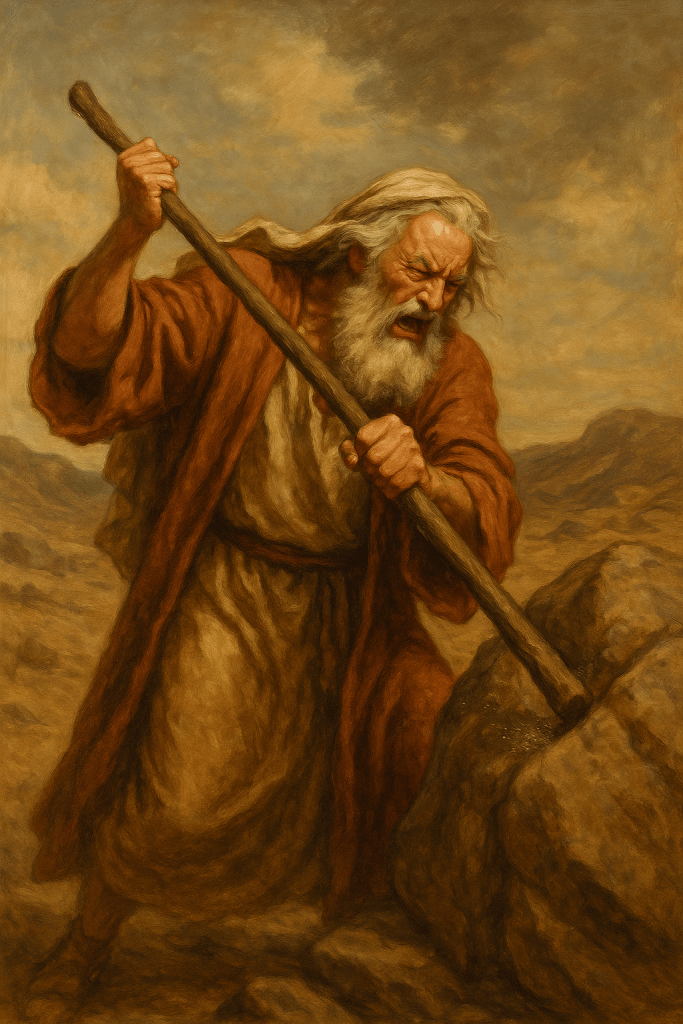
    Moses and the Rock – A Leader’s Breaking Point

    Hi, I’m Tameka—welcome back to Grace Across Border, where every story reminds us that even in our mess, grace still shows up. Today’s story is one of frustration, failure, and unexpected provision. Let’s dive in.

    AI generated

    Moses had been walking a long road—both literally and spiritually. From the moment he answered God’s call to lead Israel out of Egypt, he faced resistance at every turn. First from Pharaoh, then from his own people. Even after miracles, manna, and mercy, the Israelites grumbled. They longed for Egypt’s onions and garlic instead of heaven’s bread. They questioned his leadership and accused him of bringing them out to die.

    By the time we reach Numbers 20, the people are at it again—this time thirsty, tired, and loud about it.

    They quarreled with Moses and said,

    “If only we had died when our brothers fell dead before the Lord! Why did you bring the Lord’s community into this wilderness, that we and our livestock should die here? Why did you bring us up out of Egypt to this terrible place? It has no grain or figs, grapevines or pomegranates. And there is no water to drink!”
    —Numbers 20:3-5 (NIV)

    God, patient as always, tells Moses:

    “Take the staff, and you and your brother Aaron gather the assembly together. Speak to that rock before their eyes and it will pour out its water. You will bring water out of the rock for the community so they and their livestock can drink.”
    —Numbers 20:8 (NIV)

    But Moses is fed up. His patience snaps. He gathers the people and yells:

    “Listen, you rebels, must we bring you water out of this rock?”
    Then Moses raised his arm and struck the rock twice with his staff. Water gushed out, and the community and their livestock drank.
    —Numbers 20:10-11 (NIV)

    But God is not pleased. He says to Moses and Aaron:

    “Because you did not trust in me enough to honor me as holy in the sight of the Israelites, you will not bring this community into the land I give them.”
    —Numbers 20:12 (NIV)

    It’s a sobering moment. Moses let frustration rule his actions. He misrepresented God’s gentleness and made the miracle about himself. He was tired, angry, and deeply human. And yet—this one act cost him his long-awaited entrance into the Promised Land.

    This story is a powerful reminder of what happens when we let frustration take the reins. It’s easy to judge Moses—until we see ourselves in him. Sometimes, when we’re tired or misunderstood, we react in ways we regret.

    This brings to mind another story—a simple one, but just as profound.

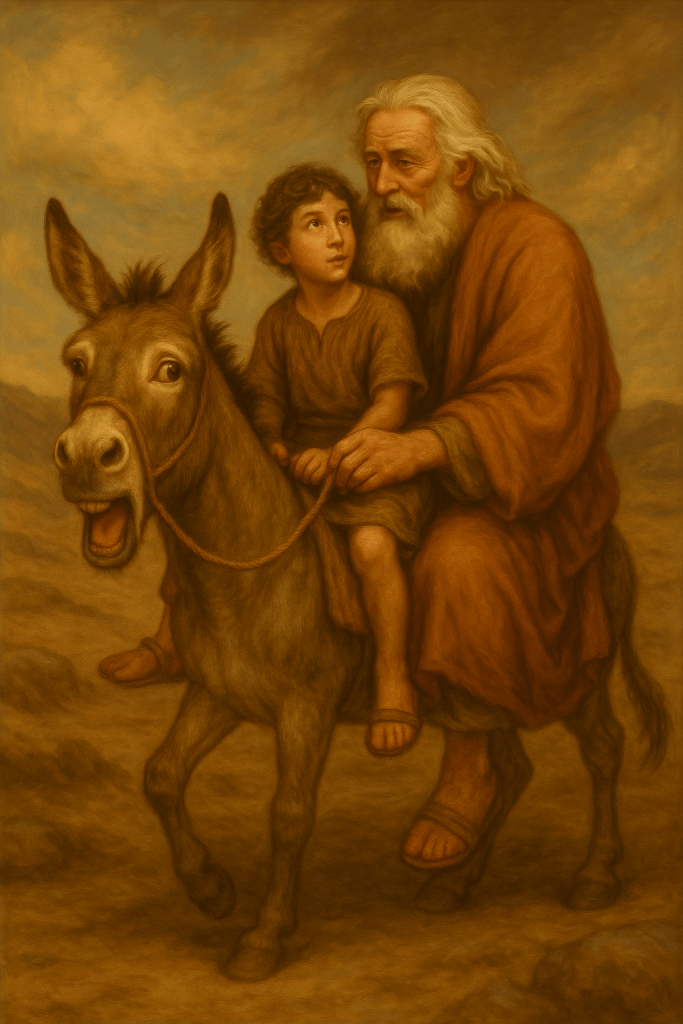
    The Man, the Boy, and the Donkey – The Folklore of Pleasing People

    AI generated

    In an old Aesop fable, a man and his son are taking their donkey to market. At first, they walk beside it. Some people mock them, saying: “Fools! Why walk when you have a donkey?” So the man lifts his son onto the donkey’s back.

    But soon, someone scoffs: “Look at that selfish boy, letting the old man walk!” So they switch.

    Then others whisper: “What a cruel father, riding while the child walks!” So both ride.

    But then another passerby shouts: “That poor donkey! Two people on its back? Shameful!” Desperate to please, they both dismount and carry the donkey.

    As they cross a bridge, the donkey panics, slips, and falls into the river—and drowns.

    The man and his son are left with nothing.

    The moral is simple: Try to please everyone, and you’ll please no one—not even yourself.

    When Pleasing Costs Too Much

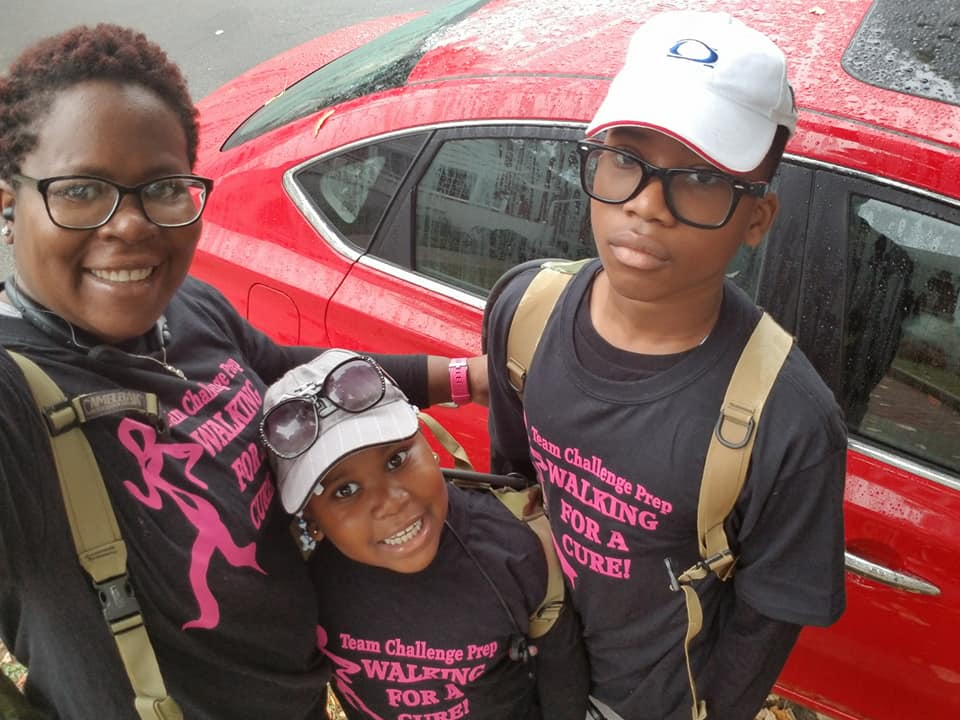
    All three of us posing for a selfie beside the car, in front of the house, before we went for our Girl Scout cancer walk for a cure.

    When I originally started this blog, it was supposed to be a safe place to vent—to reflect on what I’ve been through without judgment or the fear that someone would think I was talking about them. But more and more, reflection has become difficult.

    Like the man, the boy, and the donkey, in trying to please everyone, I’ve become stuck—stuck in a cycle of overthinking, stuck in the fear of being misunderstood.

    And like Moses in Numbers 20, my frustration sometimes spills over. Last week I wrote something I had to go back and fix—not because it wasn’t honest, but because it wasn’t the message God originally gave me. I let my emotion grab the mic before I remembered who actually gave me the words in the first place.

    This week is no different.

    I remember a time when I was so frustrated with everything happening in my life that I became partially homeless—separated from my children at night just to avoid dealing with the situation any longer.

    I was married at the time. My now-deceased ex-husband and his mother turned on me. She owned a two-family home. I had begged him not to move in there because I knew—I knew—that moving in with in-laws rarely ends well. But he took most of our money and put it into carpeting the upstairs apartment, and just like that, I was stuck.

    When things began to fall apart, I had nowhere else to go. I was trying to hold a family together with my bare hands while losing pieces of myself daily. My children needed a stable environment.

    I was ashamed. I felt like a failure as a mother, a wife, a believer. I didn’t see it at the time, but now I understand: I was reacting from a place of pain. Like Moses, I struck the rock—not because I didn’t believe in God’s promise, but because I was tired of the noise, tired of being questioned, tired of the pressure to be okay when I wasn’t.

    They took us to court to evict us. Even though the judge kept giving me time to stay, I started to notice my ex’s attitude shift. He became uncomfortable to be around, condescending, even abusive in tone, made loud noises, and even tried to shut off the utilities, because the judge evicted him. Though I still had time, I made the decision to leave before I was legally forced to. I did it for my peace.

    I left out of frustration.

    I left before I had a place to go as a family.

    I had to send my children to stay with my mom while I crashed on my brother’s couch, and put my stuff in storage. It was the only way we could all keep going to school. That separation? It broke me. I felt like I was failing as a mother, as a wife, and as a person.

    And to make matters worse, I had just lost my job.

    My car was at its end.

    Everything that once felt secure was unraveling all at once.

    But even then—even in all that chaos—God provided.

    We lacked nothing that we needed.

    He used everyone he could find to bless us and reminded us of His promises.

    I started praying specific prayers for the things I needed the new house to have.

    Guess what, he exceeded my expectations.

    The most amazing part was, God did all that without me having a job.

    He provided, not me.

    My children still talk about that home and the red car God provided after all the mess of what we lost vanished. It was my first brand new car, only 8 miles had been driven on it before me.

    Photo taken by T. Edwards Gooden or DJ & Dom beside the red car.

    But here’s what I’m still learning:

    God is still gracious, even when we respond from frustration.
    He still allowed water to flow from the rock.
    He still preserved my children.
    He still made a way—even when I couldn’t see one.

    Like in the fable, I finally learned that trying to please everyone can make you lose everything—including yourself.

    This week, I’m reminded to lay down the expectations that don’t belong to me.
    To speak to the rock instead of striking it.
    To walk in obedience, not performance.

    Because grace across borders means grace even when I cross the border into brokenness.

    If you’re in a wilderness season—angry, tired, or feeling like you’ve missed your chance—know this:

    God still provides.
    Grace still finds you.
    And water still flows, even when you’re at the end of yourself.

    “The Lord is close to the brokenhearted and saves those who are crushed in spirit.”
    —Psalm 34:18 (NIV)

    Photo by Arina Krasnikova on Pexels.com

    Thank you for reading all the way to this point. I pray it has blessed you. Keep scrolling—I post every Wednesday, so you may have missed one or two. Catch up; it’s worth it.

  • A Handful of Flour and a Heart of Faith

    The Widow of Zarephath and Elijah

    Hi, I’m Tameka—welcome to Grace Across Borders, where timeless Bible stories meet classic folklore and personal reflections. Together, we’ll explore how God’s grace moves across cultures, histories, and everyday lives.

    Photo by Malidate Van on Pexels.com

    During a time of drought and desperation, the prophet Elijah was sent by God not to a wealthy home in Israel, but to a starving widow in Zarephath, outside the borders of God’s chosen people.

    She is gathering sticks for what she believes is her last meal with her son.

    Yet, God chooses her as the vessel of provision. When Elijah asks for bread, she responds honestly:

    “I have only a handful of flour in a jar and a little olive oil in a jug.” Still, at Elijah’s word, she bakes him a small cake first, and the miracle unfolds—the flour and oil never run out.

    Oh, what a blessing!

    This story breaks boundaries: a Gentile woman becomes a prophet’s provider.

    A moment of scarcity becomes a wellspring of abundance.

    And in the midst of political, ethnic, and economic hardship, God reveals Himself as the sustainer across every border.

    What is God asking you to trust Him with, even when it looks like you have only a handful left?

    And isn’t that just like God?

    Taking what looks like barely enough and turning it into more than we imagined, especially when we’re willing to share it in faith.

    Stone Soup

    Photo by Lylah To on Pexels.com

    This reminds me of the well-known folktale Stone Soup, where a group of hungry travelers arrive in a village carrying nothing but an empty pot and a simple stone.

    Much like the widow in Elijah’s story, the villagers believe they have nothing left to offer.

    Yet, through curiosity and community, something remarkable happens.

    When the travelers announce they will make soup from a stone, the villagers gather around, intrigued.

    One person adds a carrot, another offers a potato, someone else contributes a bit of meat.

    Slowly, the pot begins to fill, transforming scarcity into a nourishing, abundant meal.

    Just as the widow’s handful of flour became a source of endless provision, the villagers discover that by coming together and sharing what little they have, faith and generosity can turn even the smallest offerings into something sustaining and life-giving.

    Faith in the Middle of Nothing

    Taken on vacation by me. A view of the river through the trees.

    Last night, after spending nearly 12 hours in the library—heavily medicated and just doing my best to catch up—I found myself reflecting on my dear friend, Sis. Andrea.

    It’s been over 16 years, but her act of kindness still echoes in my spirit.

    I had just come to America and didn’t have much. I was trying to stay afloat, navigating a new country, a new life, and a health scare with my son.

    That Sabbath at church, I was tired and worried, preparing for a round of doctor’s appointments to figure out why there was a swelling on his neck.

    As the service ended, Sis. Andrea came up to me. She didn’t ask how I was—she didn’t need to. She gave me a warm hug, whispered, “It will be well,” and gently slipped something into my hand.

    I smiled, thanked her, and tucked it into my bag, assuming it was a small blessing—maybe $20. I didn’t look right away. After all, church was done, and life was still waiting for me.

    On the drive home, I remembered the moment.

    I opened my bag and looked.

    It wasn’t $20—it was $200.

    I screamed.

    My parents, startled, did the classic Scooby-Doo turn and asked what happened. When I told them, my mom just shook her head and said calmly, “Sis. Downes is something else, God bless her.”

    At the time, I had only seen her once before. She was a teacher with two boys of her own. She didn’t owe me anything—she barely knew me. But she gave.

    The following week I asked her, “Why did you choose to bless me like that?” And she smiled and said simply,
    “We have to look out for each other, baby Sis.”

    That day marked me.

    Not because of the money, but because of the love.

    The care.

    The way she saw me when I felt invisible.

    Her generosity reminded me of the widow of Zarephath. Of the villagers in Stone Soup.

    She became a vessel of God’s provision just by opening her hand.

    (This is the part where I would post Sis Andrea’s picture. I know she is a very private person, but if you know her, remind her that she makes a difference every day).


    Reading these three stories side by side reminds me how often I convince myself I have too little to offer:

    Not enough time,
    Not enough money,
    Not enough strength.

    But God never asks us to give what we don’t have.

    He invites us to trust Him with what we do.

    Whether it’s a spoonful of flour, a stone in a pot, or a quiet $200 slipped into a stranger’s hand, grace multiplies when we release it.

    These stories stretch my view of who God chooses.
    The widow was an outsider.
    The villagers were ordinary.
    Sis. Andrea was a stranger.

    The miracle didn’t depend on wealth, title, or religious status,

    but on a heart willing to say, “It will be well.”

    So I wonder: Who are the “widows of Zarephath” in our communities today? And how can we honor the unexpected vessels of grace God places in our path?

    In a world so divided, these stories remind me that God still crosses borders—cultural, ethnic, emotional—to sustain and to save.

    All He asks is that we open our hands,
    Even if all we hold is a handful of flour.

    I cherish stories like these because even when I feel like I have nothing left—
    God sees me.
    And He sees you.
    Trust Him.

    I am forever thankful for everyone who has poured into me over the years. Your kindness, prayers, and generosity have shaped my journey in ways I could never fully express. Thank you from the bottom of my heart!

    Spread the word, see you next week

    Photo by Charlotte May on Pexels.com

    If this story resonates with you. Please like, share, subscribe, and comment.

    Help me get the word out about this bit of positivity.

  • Grow Where You Are Planted

    The Bamboo and the Oak: A Story of Strength in Stillness

    Photo by Pixabay on Pexels.com

    In an old Asian folk tale, a mighty oak tree and a slender bamboo grew side by side. The oak towered high, with thick branches and a wide trunk. It didn’t move when the wind blew. It didn’t bend when the rains came. It was proud of its strength and stood like a statue, immovable.

    Beside it stood the bamboo—thin, flexible, and quiet. It bent with every breeze. It swayed with every storm. The oak mocked it.

    “You’re too soft,” the oak sneered. “Too weak. You move with everything. I stand tall. I resist. That’s real strength.”

    The bamboo said nothing.

    Then the storm came.

    It howled and roared with a fury the grove had never seen. Winds ripped through branches. Lightning lit up the sky. Trees groaned under the pressure.

    The oak stood tall—resisting. Refusing to move.

    The bamboo? It bent. It swayed. It bowed so low it nearly touched the ground. But it never uprooted.

    When morning came, the oak had fallen—split by the storm’s force, its great branches shattered.

    The bamboo, however, rose with the sun. Bent, but unbroken. Quiet. Still standing.

    Daniel: Growing in Exile

    Photo by Dziana Hasanbekava on Pexels.com

    Now consider Daniel.

    Taken from his homeland. Given a new name. Surrounded by power, culture, and pressure to conform. He was offered the best of Babylon: luxury, opportunity, and food from the king’s own table.

    But Daniel—like the bamboo—did not resist with defiance. He didn’t raise his voice or demand his way.

    He simply chose not to eat.

    Daniel 1:12-13 (NIV)
    “Please test your servants for ten days: Give us nothing but vegetables to eat and water to drink. Then compare our appearance with that of the young men who eat the royal food, and treat your servants in accordance with what you see.”

    He quietly resolved not to defile himself with the king’s food (Daniel 1:8). No grand speech. No protest signs. Just faith. Just obedience.

    And what happened?

    Ten days later, he and his friends looked healthier and stronger than all the young men who ate the royal food (Daniel 1:15).

    The bamboo didn’t win by being loud; it endured by being faithful.
    Daniel didn’t grow strong by eating what the world offered; he grew strong by staying rooted in God’s word—even when no one else around him did.

    My Reflection: Faithfulness in Small Places

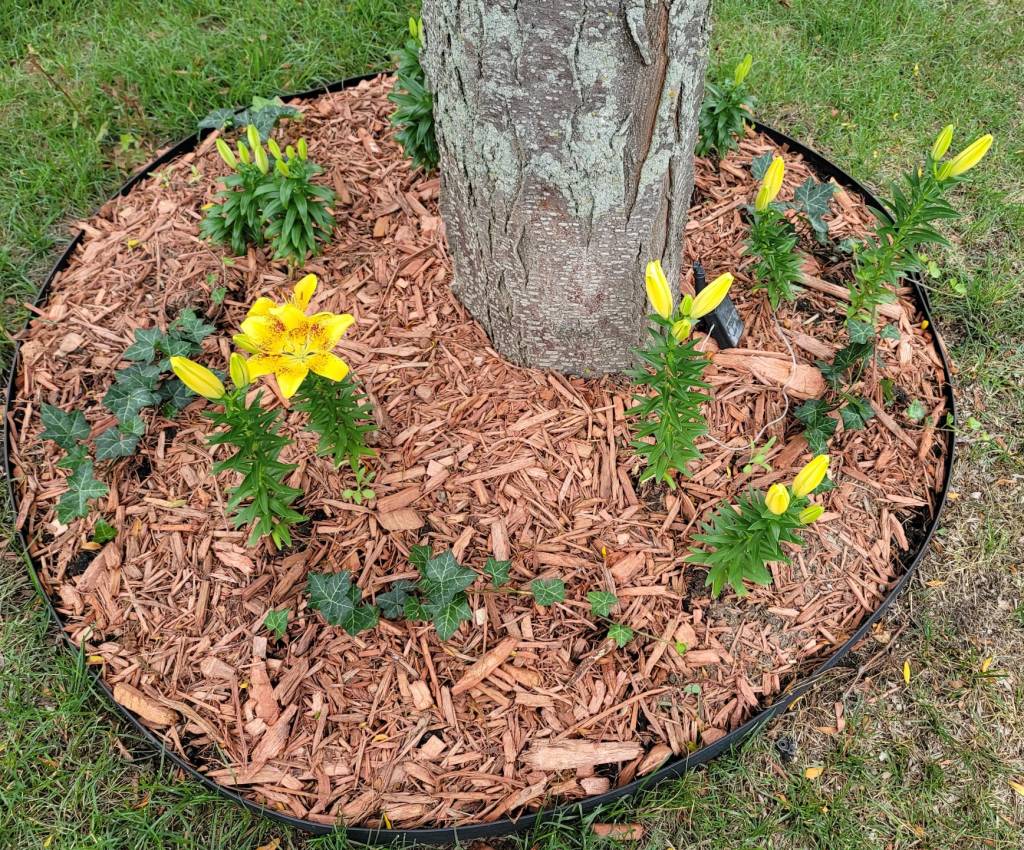
    My creation, the beauty is the many seeds underneath not seen.

    – Inspired by Daniel’s story and my 10pm garden moment

    It was 10 p.m., and I found myself dragging my husband outside to help me plant a garden by the roots of a tree I had been eyeing since I moved in—four years ago. I had made a vow to write my blogs every Wednesday, but tonight, I just couldn’t think of a topic or story I wanted to write about. So, instead, I gardened.

    Probably not the most logical thing to do that late at night.
    But there I was, digging into the earth, planting seeds under a dark sky, chasing clarity with every shovel of soil.

    About an hour later, as I watered the fresh soil and whispered a quiet hope to myself—“I hope they grow and come back yearly”—the topic came to me as clear as day:

    Grow where you are planted.

    Suddenly, the story of Daniel came rushing to mind.

    I thought of how Daniel, taken into exile, chose to honor his convictions even in a foreign land. How he begged the king’s men to let him eat the food he was accustomed to, instead of what they were serving. He told them, “Test me. See if I don’t grow stronger.” He didn’t fight the soil he was placed in—he grew in it.

    And as I stood there with the hose in my hand, I said, “Okay God, that’s the word. But what about my reflection?”

    Then it came to me.

    My Own Babylon: Teaching on Script

    My desk after I finished setting it up

    After I completed my bachelor’s degree in Elementary and Early Childhood Education at Queens College, I was hired at a charter school. I was excited, ready to implement everything I had learned. But truthfully, I had procrastinated on my edTPA, the portfolio needed to work in the public school system. So the charter school felt like a compromise I could live with. I was teaching. The pay was decent. And I didn’t have to deal with that dreaded edTPA—at least not yet.

    But what I didn’t realize was that I couldn’t teach my way.

    I had to follow their script—word for word. I was co-teaching, limited, boxed in. It was frustrating. I had the tools. I had the passion. But I didn’t have the freedom.

    Then something shifted. I was given a small reading group to work with. No one was really watching me. And finally—I got to do me.

    I implemented what I had been trained to do. I tailored my lessons to what my students needed. And my kindergarten students began reading at a second-grade level. By the time I left, they were edging into third-grade proficiency. It gave me great joy.

    When I resigned, I expected to pack my things and be shown the door—just like every other teacher before me. But instead, they asked me to finish out the week. I got to keep teaching my small group. They honored my work.

    I still remember walking around that day, telling teachers goodbye at 10 a.m. They hugged me, wished me well, as my plan was to go to the Navy. But at 4:30 p.m. at dismissal, there I was—still there.

    They looked at me, shocked:
    “Wait… you didn’t leave, you didn’t quit?”

    I came back the next day. And the next. I was the exception to their rule.

    That was God’s favor. (As my friend Asare reminded me today, that favor has always been my portion).

    It didn’t come from being loud or flashy. It came from God. He allowed me to grow right there in the middle of what felt like exile. I wasn’t where I wanted to be. But it was where I was planted. And God caused me to thrive.

    Final Thought: The Soil Isn’t the Point—The Growth Is

    Taking a selfie during orientation

    You might not be where you planned to be. You might feel like you’ve been placed in a difficult setting—Babylon, a storm, or a classroom with limits. But the good news is:
    You can still grow.

    God isn’t asking you to wait for ideal soil. He’s asking you to trust Him with the roots. Whether you’re a Daniel or a bamboo shoot, the principle is the same:
    Let God plant you. Stay faithful. Let the fruit speak.

    And when the storm passes—or when you’re called to move on—there will be evidence that you didn’t just survive.
    You thrived.

    Let the Message Take Root

    Photo by RDNE Stock project on Pexels.com

    Share the post, tap like, comment, and stay tuned for more.

  • No Condemnation: From the Village to the Cross

    Sacrifice in the Village

    Photo by Suraphat Nuea-on on Pexels.com

    “There is therefore now no condemnation for those who are in Christ Jesus.” – Romans 8:1

    In the hills of West Africa, long before colonizers drew borders and cities sprouted, there lived a village known for its justice. The elders would gather under the baobab tree to settle disputes. Their judgments were fair, their punishments swift. But one day, something unexpected disrupted their tradition.

    A young woman named Adebayo stood trembling before the elders. A prized pot had been stolen from the home of a respected elder, and all evidence pointed to her. The village whispered. She had always been quiet, poor, and easily overlooked. A perfect scapegoat.

    The trial was brief. The pot was found buried near her home. The punishment? Exile. Adebayo would be cast out to wander beyond the edge of the village, where wild beasts and worse things waited.

    But just before the sentence was passed, an older woman stepped forward. She was not family. She had no obvious reason to interfere. But with steady eyes, she spoke:

    “If someone must leave so the village can be clean, let it be me. I will go in her place.”

    Gasps rippled through the crowd. No one had ever heard of such a thing. Yet the elders, struck by the woman’s courage—and perhaps their own uncertainty—allowed it.

    The woman walked out of the village alone. Adebayo remained—forever changed by mercy.

    Sacrifice of Christ

    Photo by Francesco Paggiaro on Pexels.com

    Centuries later, the story repeated—not in a dusty village square, but on a hill called Calvary.

    Humanity stood condemned. We had broken the sacred trust, torn the covering of holiness meant to protect and connect us to God. Like Adebayo, we were guilty—caught red-handed in rebellion, selfishness, and shame.

    But instead of watching us bear the weight of eternal consequence, Jesus Christ, the Son of God, stepped forward. At the cross, He did the unthinkable: He claimed our guilt as His own.

    “There is therefore now no condemnation for those who are in Christ Jesus.”
    Romans 8:1 isn’t just a verse—it’s the heartbeat of grace.

    It means that, like Adebayo’s story, Christ bore the shame so we could be free. He didn’t excuse the wrongdoing—He absorbed it. The penalty was real, but His love was greater. Through Him, the judgment was satisfied, and the guilty declared righteous.

    In a world that often casts stones and clings to judgment, the gospel crosses all borders—cultural, spiritual, and emotional—to speak a new word: forgiven.

    No Condemnation: Grace Beyond Borders and Shame

    My son and daughter share a selfie.

    When I came to the United States, it was supposed to be temporary. A visit. Nothing more. If you know Jamaica, you’ll understand. I had my life there, I just started Bible college and my own business, and raising my son and my niece. Life was moving forward with purpose. But then, my son got sick, and by the time I realized that the doctors were more focused on stealing the insurance money than admitting they found nothing wrong, my time to legally remain here had expired. If I went back, I may not have been allowed to return—and I couldn’t risk my son’s care.

    So I stayed. Devastated. Displaced. Quietly grieving a life that was unraveling.

    My marriage was already falling apart. So, staying in the U.S. felt like the only choice left. I used to tell people, when asked when I would have another child, that “I’ll have another when my son turns five.”

    When he was just three and sick, I was alone and barely holding things together. The idea of another child wasn’t even a whisper in my prayers.

    Then, I got pregnant.

    Out of wedlock.

    The outward unforgivable sin.

    The sin that leads so many young women to abortion, to isolation, to lifelong depression. (Anyway, I digress…)

    It was the kind of moment that can easily bring shame, especially in a community that values marriage and purity. And to be honest, I understood why. The church wasn’t trying to condemn me—they were trying to protect the youth, to set a standard they hoped others would follow. They didn’t want my path to be one others would use to justify choices that can come with real challenges. I get it. I truly do.

    But still, I felt judged. I felt watched. And it almost drove me away—not just from the church, but from the calling God had placed on my life.

    I didn’t run, though. I showed up every Sabbath except one. What people didn’t know is that God had already spoken to me—not once, but twice. The first time, a pastor told me the day after the act that a child would come. The second time, I had a dream a week later. My daughter was no mistake. She was a message. A gift. A confirmation that even in my uncertainty, God was still speaking.

    And when my son turned five—just as I’d always said—I held my daughter in my arms and cried. Not because she wasn’t wanted. But because I remembered: God had not forgotten me. Even though I wasn’t married, even though I felt disqualified, He still gave me the desire of my heart.

    Still, the shame was heavy.

    It wasn’t that anyone said cruel things to my face. But there was a quiet discomfort that sat in the pews beside me. I wasn’t seen the same way. And I understand that too. We sometimes forget that “all have sinned and fall short of the glory of God” (Romans 3:23). We forget the words Jesus spoke:
    “Let him who is without sin cast the first stone.” (John 8:7)

    But God never forgot. He never turned away.

    The truth is, I let shame sit where purpose once lived. I took myself out of ministry, convinced I had messed up beyond repair. But the voice of the Holy Spirit never stopped whispering.

    And now I know:
    There is no condemnation for those who are in Christ Jesus.
    Not for me. Not for you.
    Not for the one who broke the rules but clung to the cross.
    Not for the one who sat in silence, waiting for permission to return.

    God’s grace reaches past borders—borders of geography, sin, shame, and man-made disqualifications. He meets us where we are, not where people think we should be.

    This past youth Sabbath, we traveled from Illinois to New York, where I sat and listened to my 20-year-old son bring the word, and my daughter, who will be 15 next month, do the opening prayer. All I can think of is what if…?

    Please, like, subscribe, comment, and share

    Photo by Katerina Holmes on Pexels.com

    This post is longer than the norm because I think so many need to know that God loves us more than people think. His grace is sufficient. He did not come for perfect people; there is room at the cross for you.

    Please like, subscribe, comment, and share if you were blessed.

4 responses to “Picking Peas and Blessings: Grace Across Generations in Jamaica”

  1. TEdwardsGooden Avatar
    TEdwardsGooden

    I honestly thought I was going to bed hungry too. She was a beautiful soul. Thanks for your continued support.

    Like

  2. Dameion Rose Avatar
    Dameion Rose

    Very touching story this week, the kind silent response of grace your grandmother gave through me for a curveball🤧🤧 i thought for sure you’d come back to an empty plate for saying smt like that 🥲 but it just goes to show love❤️.

    (Happy independence 😇🇯🇲)

    Liked by 1 person

  3. Kay-Ann Avatar
    Kay-Ann

    I really enjoyed how you always weave together personal stories, history, and biblical references. The interconnectedness makes the blog feel more personal and relatable. Your subheading “Picking Peas and Blessings” is a creative expression of words. I enjoyed reading about your great-grandmother. Her quiet acts of kindness demonstrated patience, warmth and understanding. I also appreciate how you encourage others to reflect and share their own stories of generational care and simple kindness, whether in the comments or with someone they cherish today. It’s a gentle reminder to connect with those we love and honor the small, meaningful gestures that help to shape our lives. Great job as always.

    Liked by 1 person

    1. TEdwardsGooden Avatar
      TEdwardsGooden

      This is a beautiful and well-written comment. Thank you so much for your kind and thoughtful response. It is appreciated. See you next week Wednesday.

      Like

Leave a Reply

Faith. Life. Culture. Grace.