Grace Across Borders: Biblical Lessons and Global Legends

Faith. Life. Culture. Grace.

Weekly reflections to read or listen to, wherever you are.

Author: Tameka Edwards Gooden

  • The Wolf You Feed: Grace Writes in the Dust

    When mercy kneels lower than judgment, hearts are changed.

    Welcome and enjoy!

    The Story of Two Wolves

    Photo by u041fu0430u0432u0435u043b u0413u0430u0432u0440u0438u043au043eu0432 on Pexels.com

    An old Cherokee chief sat beside the fire with his grandson.

    “A fight is going on inside me,” he said quietly. “It’s a terrible fight, between two wolves. One is anger, envy, greed, arrogance, and judgment. The other is love, peace, hope, humility, and grace.”

    The boy thought for a moment. “Which wolf will win?”

    The old man replied, “The one you feed.”

    That story always stirs something in me because I see those same two wolves standing among the crowd in John 8, when the woman caught in adultery was dragged into the temple.

    Mercy in the Temple

    Photo by u2020reny aleksa on Pexels.com

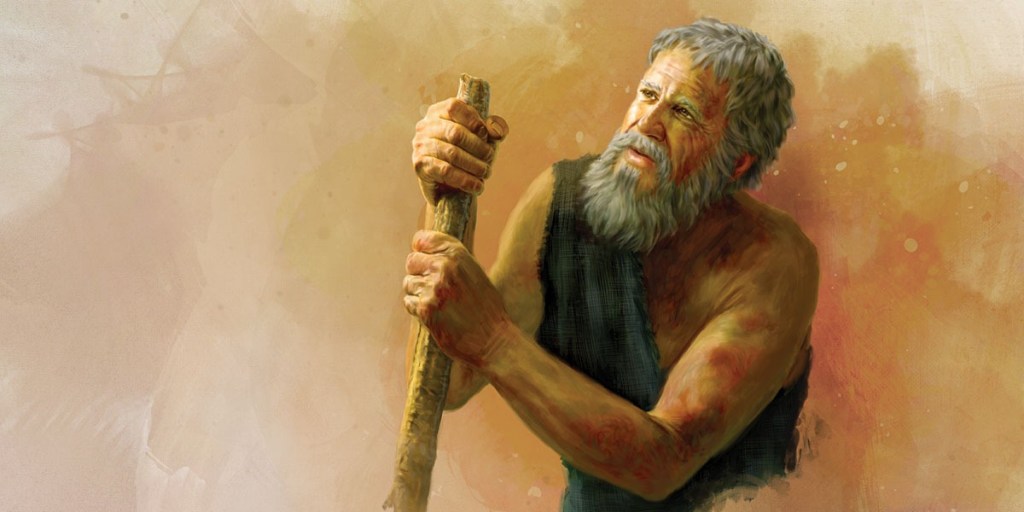
    Early in the morning, Jesus was teaching in the temple courts when a group of scribes and Pharisees burst in, dragging a woman before Him. They said she had been caught in the act of adultery — not accused, not suspected, but caught. According to the Law of Moses, she should be stoned.

    They didn’t come seeking justice; they came to trap Jesus. If He said, “Let her go,” they could accuse Him of dismissing God’s law. If He said, “Stone her,” He would contradict His message of mercy.

    Jesus didn’t answer right away. Instead, He stooped down and began to write in the dust with His finger. The Bible doesn’t say what He wrote, and maybe that mystery is part of the point — His silence was more powerful than their accusations.

    When they kept pressing Him, Jesus finally stood and said,

    “Let the one among you who is without sin be the first to throw a stone at her.”

    Then He stooped down again.

    One by one, her accusers walked away — from the oldest to the youngest — until only Jesus and the woman remained.

    He looked up and said,

    “Woman, where are they? Has no one condemned you?”

    She said, “No one, Lord.”

    Jesus replied, “Neither do I condemn you. Go, and from now on, sin no more.”

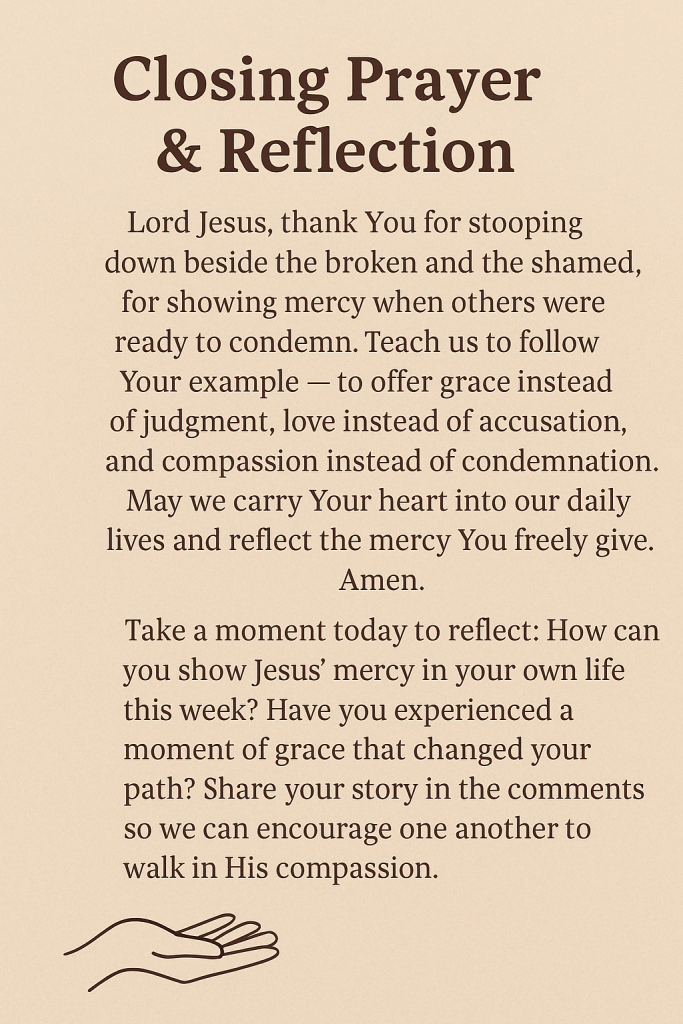
    Jesus was the only one who could have condemned her, but didn’t. He fed grace instead of judgment.

    Choosing Which Wolf to Feed

    Grace doesn’t mean we pretend sin doesn’t exist. It means we choose not to let judgment have the final word. Every day, we decide which wolf will rise within us—the one that condemns, or the one that restores.

    It’s so easy to judge others when we should be showing compassion. Love speaks louder when it’s shown.

    A Lesson from My High School Days

    Photo by Anna Shvets on Pexels.com

    I remember getting into serious trouble back in high school. I had been warned that one more incident would lead to expulsion. Mrs. O’Connor, my assistant principal, could have easily given me the boot, and my life might have turned out very differently.

    But that day, she listened. She saw past the chaos and realized I had been provoked into a fight by someone pretending to be a friend. She understood what was at stake. I stood there embarrassed, heart pounding, waiting for the punishment I was sure was coming.

    She looked at me and said, “I hope you learned your lesson.”

    What lesson? I thought. I’m about to be whipped like a runaway slave by Dean Knight for getting in a fight and then by my parents for getting expelled.

    But instead, she chose mercy. She sent me back to class.

    The look on my classmates’ faces when I walked back in and sat down—you would’ve thought they’d seen a ghost. That day, grace walked me right back into that classroom.

    And needless to say, it was my last fight.

    Grace in Action

    Sometimes grace looks like a teacher’s second chance. Sometimes it looks like Jesus kneeling in the dirt. Either way, it whispers the same truth: you’re not defined by what you did, but by what love chose to do for you.

    So today, I ask myself—which wolf am I feeding? The one that condemns, or the one that restores? Because the world already knows judgment. What it’s starving for is grace.

    “For the law was given through Moses; grace and truth came through Jesus Christ.” — John 1:17
    Written by Tameka created in this form by AI

  • Praying with Grace: A Letter to P.U.S.H.

    🕊️ A Different Kind of Post

    Photo by SHVETS production on Pexels.com

    Sometimes, we can take life a little too seriously.

    Between work, prayer, and all that life throws at us, it’s easy to forget that God also invites us to live with creativity and joy.

    Today’s post is a little different. It grew out of one of my seminary assignments, where I was asked to imagine writing a modern-day letter in the style of the Apostle Paul — a letter that encourages believers to live out biblical truth.

    As I thought about who this letter might be for, one group came immediately to mind — the P.U.S.H. Prayer Group, whose name stands for Pray Until Something Happens.

    They meet six days a week to lift up the needs of others before God. I join them whenever I can, and I didn’t choose them because they lack anything — I chose them because they already embody the kind of steadfast faith and endurance that Paul encouraged in the early church.

    Before we get to the letter, here’s the Scripture that inspired it — one of Paul’s own, from Philippians 1:3–6 (NIV):

    “I thank my God every time I remember you. In all my prayers for all of you, I always pray with joy because of your partnership in the gospel from the first day until now, being confident of this, that he who began a good work in you will carry it on to completion until the day of Christ Jesus.”

    This verse made me think of P.U.S.H. — faithful, steady, and full of love. Their perseverance in prayer mirrors Paul’s encouragement to the early church, and it inspired me to write this modern-day epistle to them.

    💌 A Letter to the P.U.S.H. Prayer Warriors

    Photo by Photo By: Kaboompics.com on Pexels.com

    Abbreviated letter…

    Paul, an apostle of Christ Jesus by the will of God,
    To the faithful prayer warriors of P.U.S.H., who gather six days a week to intercede for others—grace and peace to you from God our Father and the Lord Jesus Christ.

    Beloved brothers and sisters,
    I thank God for you always. Your faithfulness in prayer is a fragrance pleasing to Him. You labor not for your own sake but for the sake of others, reflecting the heart of Christ, who intercedes even now for His people.

    As the Lord said, “Whatever you did for one of the least of these brothers and sisters of mine, you did for me” (Matthew 25:40). Your devotion mirrors His love. Therefore, I urge you to continue steadfastly in prayer, trusting that the One who hears you is faithful.

    When petitions linger and answers seem delayed, remember that your prayers rise like incense before His throne. God is not slow, as some count slowness, but patient, working all things together for good.

    Let your prayers include all — the seen and unseen, the loved and the difficult — for Christ gave Himself for all.

    ⚖️ A Gentle Reminder

    Photo by DS stories on Pexels.com

    Do not grow weary in doing good.

    When fatigue whispers or hope wavers, remember why you gather.

    The God who called you will sustain you.

    Keep pressing, keep believing, and keep trusting that He who began this good work in you will complete it.

    Beloved, stand firm in faith. Rejoice in hope. Abound in love.
    Let your lives be living letters of grace — read by all who see your quiet obedience and unwavering trust.

    Grace and peace be with you all,
    Paul (your brother in faith and love)

    🌿 Reflection

    Photo by Pixabay on Pexels.com

    Writing this reminded me that prayer is more than words — it’s faith in motion. Every time you show up, every time you whisper a name or shed a tear for someone else, heaven takes notice.

    This letter began as an assignment, but it became a heartfelt reminder to keep pushing — to Pray Until Something Happens.

    Even when you don’t see the change yet, know this: God is moving.
    He’s working in the waiting.
    And your prayers are never wasted.

    So, to my dear friends at P.U.S.H. — thank you for standing in the gap, for trusting, for loving, and for never giving up.

    As always, thanks for stopping by. Please like, share, or comment below — I’d love to hear how you keep trusting God in your own seasons of waiting.

    Until next time, keep the faith — and keep pushing. 💪🙏

  • Grace Across Borders: A One-Pot Memory and God’s Abundance

    Have you ever had one of those weeks where you start to wonder if you’re in a dream — or a nightmare even?
    Like — why are all these things happening now?
    Why me?
    Bruised and weary, yet still trying?

    That’s been my week.

    As I prayed, cried out, and reflected, God brought a memory from over 30 years ago—a trip to the country with my younger brother —back to my mind. It reminded me of God’s faithfulness when life feels overwhelming: He makes a way.

    Let’s dive in and see how God makes a way — even when it seems impossible.

    The Bible Story: Loaves and Fishes (John 6:1–14)

    Vegetables from our garden.

    Jesus had been teaching a massive crowd — more than five thousand people — in a deserted place.

    As the day wore on, everyone became hungry.

    The disciples panicked: “How can we feed all these people?

    We have almost nothing!”

    Then a young boy offered his small lunch: five barley loaves and two fish.

    In human terms, it was a drop in the bucket.

    But Jesus took what little was given, gave thanks to the Father, broke the bread, and began to hand it out.

    Miraculously, everyone ate until they were full, and twelve baskets of leftovers were gathered up.

    This story isn’t only about food. It’s about trust.

    It’s about offering God our “not enough” and watching Him multiply it into “more than enough.”

    The Folklore: The Clever Farmer’s Meal

    Reaping from my garden.

    Caribbean oral tradition tells of a poor farmer who had only scraps to cook.

    Determined not to go hungry, he dug a pit in the earth, lined it with banana leaves, and added water, herbs, and whatever small ingredients he had.

    Neighbors mocked him, laughing at the idea of making a feast out of nothing.

    But as the pot cooked, the aroma spread through the village.

    In the end, there was not only enough to feed himself but enough to share.

    His creativity and persistence turned scarcity into abundance, and his humility silenced the laughter.

    Like the boy in John 6, the farmer’s small offering became something far greater when he refused to give up.

    My Reflection: A One-Pot Memory

    This week, as I reaped carrots in my backyard, I remembered one of my own treasured memories.

    More than 30 years ago, my younger brother, Jerry, and I visited our great-grandparents in the country.

    We rode a donkey up to the fields while my great-grandfather walked.

    My great-grandmother had sent food with us for my great-grandfather to cook — yams, bananas, flour to make dumplings, chicken, all the makings of a good country stew.

    But when we got to the fields, my great-grandfather realized he had forgotten the pots.

    Without missing a beat, he dug a hole, lined it with banana leaves, poured in water, seasonings, and all the food.

    He covered it with a piece of zinc, built a fire on top, and made us the most delicious one-pot meal I have ever eaten.

    While the food cooked, my brother and I competed to see who could pluck the most carrots.

    What might have been a disappointing day became one I will never forget.

    That memory came rushing back to me this week in the middle of life’s challenges.

    Yes, the enemy has been attacking, but there have also been victories — people to pray with, moments of revelation, reminders that God is still moving.

    Just like my great-grandfather turned a moment of “lack” into a meal, God has turned my “not enough” into more than enough.

    So often we get caught up in what we don’t have, or in what’s missing. But if we pause and remember: God did not leave us then, and He will not leave us now.

    Reflection Questions

    Where has God multiplied your “not enough” into abundance?

    Closing Prayer

    Photo by Askar Abayev on Pexels.com

    Lord, You are the God who multiplies and provides.

    Thank You for the memories that remind us of Your goodness, the stories that testify to Your abundance, and the grace that carries us through.

    Help us to trust that You are enough, yesterday, today, and forever.

    Amen.

    As always, thanks for stopping by. Please feel free to like, share, and/or leave a comment — I’d love to hear your thoughts!

  • When Love Becomes a Stranger: The Lesson of Sodom

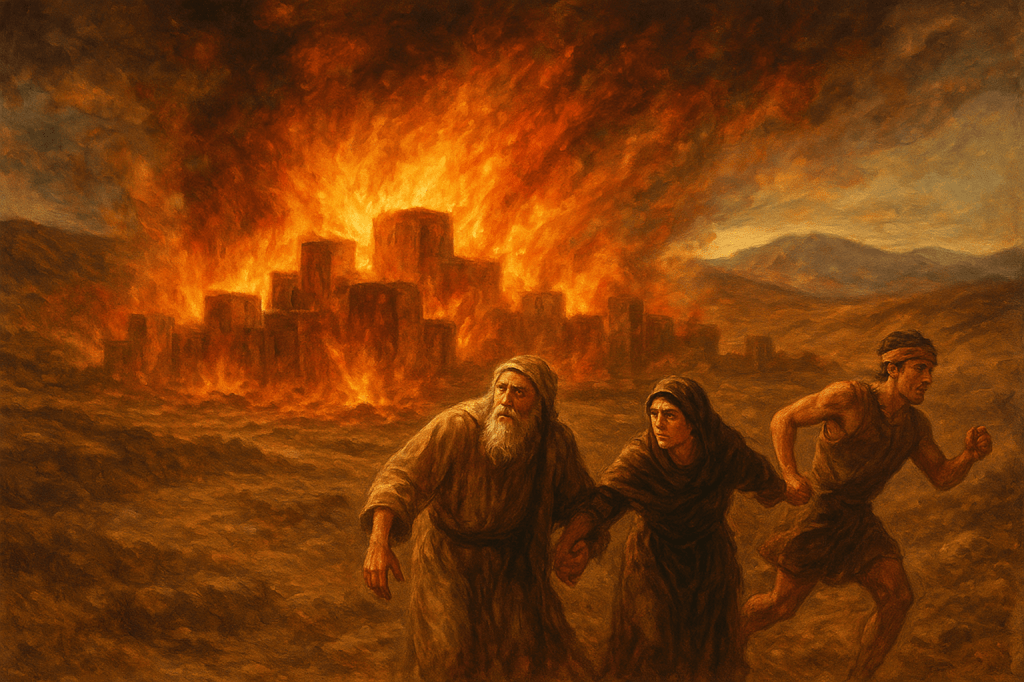
    When most people hear about Sodom and Gomorrah, they picture fire raining down and cities reduced to ash. The focus is often on what sins were judged, as if the story were given to fuel arguments. But if we pay attention to the prophets, the teachings of Jesus, and even the folklore that grew around the tale, the lesson is far deeper—and much closer to our own lives.

    Abraham’s Prayer, God’s Judgment

    The story begins in Genesis 18–19. God tells Abraham that Sodom’s outcry has reached heaven, and judgment is near. Yet Abraham doesn’t celebrate or condemn. Instead, he intercedes. “Will you sweep away the righteous with the wicked?” he pleads, bargaining all the way down to ten righteous people. Abraham’s heart leans toward mercy.

    But in Sodom, when the angels arrive, they find cruelty and violence. Lot’s family is pulled out, and destruction follows. Smoke rises like a furnace, a symbol of what happens when a community turns away from God.

    What Was Sodom’s Sin, Really?

    Photo by Leeloo The First on Pexels.com

    For centuries, people have debated that question. But Scripture itself gives us the clearest answer.

    Genesis shows us a city consumed by violence and hostility toward outsiders. But Ezekiel 16:49–50 reveals the root problem:

    “Now this was the sin of your sister Sodom: She and her daughters were arrogant, overfed and unconcerned; they did not help the poor and needy. They were haughty and did detestable things before me.”

    Sodom’s downfall wasn’t only about immorality. It was about arrogance that crushed humility, selfishness that erased compassion, and a community that forgot its duty to the vulnerable. Their tables were full, but their neighbors went hungry.

    The prophets echoed this theme. Isaiah called his own people “rulers of Sodom” and “people of Gomorrah” when they filled the temple with sacrifices but neglected justice, mercy, and care for the oppressed (Isaiah 1:10–17). Worship without love, he declared, is empty.

    The Folklore of Cruelty

    Photo by Mikhail Nilov on Pexels.com

    Jewish folklore paints Sodom as a place where kindness itself was outlawed.

    One story tells of a poor traveler who came seeking food. The people gave him coins marked with their names but forbid any merchant from selling him bread. When the man starved, they retrieved their coins from his body.

    Another tale speaks of a young girl who dared to show mercy. She secretly carried bread to a beggar, hiding it in her water jar. When her neighbors discovered her kindness, they punished her by smearing her with honey and setting her on the city wall, where bees swarmed and killed her.

    These stories may not be history in the strictest sense, but they reveal how the memory of Sodom lived on: as a city where love was a crime and cruelty was a civic duty.

    The Reflection for Us

    Photo by fauxels on Pexels.com

    And here is where the story turns toward us. Too often, we focus on condemning others while ignoring the heart of God’s warning. We build walls between “us” and “them.” We refuse compassion to those who don’t look like us, don’t sound like us, or don’t live like us. Like Sodom, we can become arrogant, overfed, and unconcerned.

    Jesus didn’t call us to weaponize Sodom’s story. He called us to remember the greatest commandment: “Love your neighbor as yourself” (Mark 12:31). Without love, even our most passionate religion is nothing but noise (1 Corinthians 13:1–3).

    The fire that consumed Sodom may feel distant, but the coldness that preceded it is always near. When love becomes a stranger, when compassion is cast out, when judgment replaces mercy—that is when communities crumble.

    The Ashes That Speak

    Photo by Photo By: Kaboompics.com on Pexels.com

    Maybe Sodom’s ashes are not here to give us ammunition against others. Maybe they are here to remind us of what happens when we stop seeing our neighbor as family. The real warning is not just about what God destroyed, but about what people refused to build: a community of love, justice, and hospitality.

    Let us learn the lesson Sodom forgot. Let us welcome love back to the table, before our own hearts turn to stone.

    Closing Prayer

    Photo by Pixabay on Pexels.com

    Lord of mercy and compassion, teach us to remember the lesson of Sodom. Guard our hearts from pride, selfishness, and indifference. Open our eyes to the poor, the stranger, and the neighbor who needs love. May your Spirit guide us to walk in humility, justice, and kindness, so that in all we do, your love is never a stranger. In Jesus’ name, Amen.

  • Grace Across Borders: Scars That Speak
    © 2025 Tameka Edwards Gooden. All rights reserved

    Lying here in bed in silence, not even the noise of the TV. Just me, following the doctor’s orders after the procedure yesterday. A few Facebook videos here and there to pass the time. And then I came across one that stopped me—it was about scars.

    We all have them. Some are visible, and some are invisible. Some are carved across our skin, and some are carved deep in our hearts.

    We all hurt.

    We are all torn.

    And too often, we think we’re the only ones.

    So we resolve to hurt alone.

    But like Thomas, maybe we should speak up.

    Thomas didn’t hide his doubt. He said plainly that unless he saw the scars in Jesus’ hands, he would not believe. And when Jesus came to him, He didn’t scold him. He didn’t hide His wounds. He showed them. He let Thomas touch the scars that told the story of death defeated.

    Welcome to Grace Across Borders.

    The Scars of Jesus

    © 2025 Tameka Edwards Gooden. All rights reserved

    After His resurrection, Jesus appeared to the disciples. Most of them rejoiced, but Thomas refused to believe. He said plainly:

    “Unless I see the nail marks in His hands and put my finger where the nails were, and put my hand into His side, I will not believe.” (John 20:25)

    When Jesus came to him, He did not hide His wounds. Instead, He invited Thomas closer:

    “Put your finger here; see my hands. Reach out your hand and put it into my side. Stop doubting and believe.” (John 20:27)

    Jesus could have risen with a flawless body. He could have erased every trace of the cross. But He chose to keep His scars.

    Not as marks of defeat. Not as reminders of suffering. But as proof of victory. His scars preached a sermon Thomas could not deny: “What was meant to destroy Me has been overcome.”

    A Folklore of Scars

    © 2025 Tameka Edwards Gooden. All rights reserved

    There’s an old story told in parts of West Africa. A boy was once attacked by a crocodile. The beast dragged him into the river, thrashing and biting until the villagers rushed to his aid. When they pulled him out, his body was torn and scarred.

    For months he covered himself, ashamed, thinking everyone would only see weakness. But one day the elders said to him:

    “You carry the proof that the river did not swallow you. These scars are not shame, but testimony. Anyone who sees them will know you faced death and lived.”

    From that day forward, the boy stopped hiding. His scars became his strength. His story gave courage to others who feared the river.

    My Own Scar

    © 2025 Tameka Edwards Gooden. All rights reserved

    I have many scars on me—from accidents to mosquito bites, and so much in between. Even the scar that will probably be there after I heal from the long needle that was inserted under anesthesia to help with the pain yesterday, to avoid a third surgery on the same body part.

    But one of the scars I will never forget is the one on the top of my foot. It was rubbed raw, white as chalk. It took a long time for the blood to come pouring out because I didn’t listen when my mother told us (my brothers and I) not to get on the bicycle with our friends.

    I remember slipping, sliding, and screaming for them to stop.

    The louder I begged, the faster they pedaled.

    All four of us on one bicycle, having a ball until I slipped and hung on for dear life.

    Over it all, I could hear my mother’s voice ringing in my head:
    “Don’t go with them. The devil finds use for idle hands. Go and read a book!”

    But I wanted the thrill. I didn’t listen. I was the only girl; I should have known better.

    That scar isn’t one I wear proudly like a badge of honor. It’s a scar of remembrance. It reminds me to listen—when wisdom warns me to walk away, when the Spirit nudges me to leave something alone, when life shows me that some fights aren’t mine to fight.

    All I can say is, after the whipping my brothers and I got that summer (yes, on top of that pain), the Nancy Drew and Hardy Boys book series became our refuge. We read every one ever written.

    Those books offered a quiet escape, a place to sit, reflect, and dream without risk. In hindsight, those moments were teaching me something just as valuable as the scar itself: survival isn’t only about avoiding danger—it’s also about pausing, reflecting, and learning from the whispers of wisdom around us.

    Scars That Testify

    © 2025 Tameka Edwards Gooden. All rights reserved

    Your scars might tell a different story. Maybe they speak of survival from an accident. Maybe they hold memories of an abusive relationship. Maybe, like that little boy, you faced danger and lived to tell about it. Or maybe your scars are the result of someone else’s cruelty, pressed on you like Jesus—unearned, yet endured.

    Whatever the story, your scars are not just marks of pain. They are proof that you are still here. They carry meaning, and they carry a testimony.

    People may look twice when you wear them proudly. But scars speak. And when they speak, they remind others they are not alone.

    So I’ll ask you what I’m asking myself:

    What is your story? What scars are you carrying, and what do they say?

    Share them below. Someone needs your testimony to find the courage to stop hiding theirs.

    And if for nothing else, our scars are conversation starters on our obedience journey to win souls.

    If my writing touches even one person, it will not have been in vain.

    Don’t forget to hit the like button, and if you notice any grammatical errors, please let me know—I do not bite. Have an amazing week!

  • Grace Across Heaven’s Borders: A Child’s Lasting Legacy

    Lazarus and the Little Angel: Remembering Faye

    Faye is holding her bible. Contributed by her sister.

    Growing up, I had a little cousin named Faye. Among all my cousins, there was something undeniably special about her. She was quiet, sweet, and different in a way I couldn’t quite describe.

    Hi, I’m Tameka, and I want to share Faye’s story — a story that helped to shape the way I see life, faith, and grace. I must admit I didn’t truly get to know her until she became sick, and those moments would change the way I understood love, loss, and the fleeting beauty of childhood.

    One day, Faye was playing on a backyard tire swing in her home in Papine St. Andrew, Jamaica., when she fell and hit her head. Rushed to the hospital, after a scan, doctors discovered a brain tumor that had been silently growing. Every Sunday after that, my mom would visit her—and I would go along.

    My mom would bring her a chicken leg, her absolute favorite, and I would watch her enjoy it like it was the finest steak.

    She could hold conversations like she was twenty years old, and at just five, she amazed everyone with her wisdom and infectious joy.

    The thing that got me was how she loved God and the Word.

    I mean, she knew the bible at such a young age and she loved the church.

    If only the next story was her reality.

    Biblical Story: Lazarus and the Echo of God’s Love

    A picture of Faye, contributed by her sister.

    In John 11, we read about a man named Lazarus. He was a friend of Jesus who had fallen seriously ill and died. Lazarus’s sisters, Mary and Martha, were heartbroken, and when Jesus arrived, Lazarus had already been in the tomb for four days.

    Then Jesus did something remarkable. He called out to Lazarus, “Lazarus, come forth!” And, as the story tells us, Lazarus walked out of the tomb — alive, whole, and renewed.

    But this miracle wasn’t only about bringing one man back to life. Jesus performed it so that those who witnessed it might believe in God’s power over death (John 11:42). Lazarus’s resurrection became a living testament to God’s authority and love, a sign that even in the face of death, there is hope, restoration, and new life.

    Even if we had never heard this story before, we can imagine the astonishment of those standing at the tomb: grief turning to amazement, despair giving way to hope. When Jesus called out, it wasn’t just about Lazarus returning to life — it was about the message that would echo through generations: with God, death is never the final word, and every life, no matter how brief, can carry a message of faith and grace.

    This rendition puts it so well.

    A Life Cut Short, A Message That Endures

    Faye as a baby. Contributed by her sister, Jervette.

    Faye passed on a Friday.

    My mom had promised to bring her another chicken leg that Sunday, and she had been looking forward to it with such anticipation.

    My heart shattered.

    There was something divinely set apart about her—a light so radiant that even in her brief five and a half years, she left an indelible mark on everyone who knew her.

    I remember her funeral vividly.

    My uncle lovingly built her casket with his own hands, and my mom carefully lined it with soft padding.

    I rode in the back of the pickup truck as we carried her to the church, my heart heavy with grief and love.

    She was dressed beautifully in white, a beloved doll cradled in her arms, and 2 treasured chicken legs placed beside her—just as she would have wanted.

    She looked as peaceful as if she were simply sleeping.

    That same day, we shared the funeral service with another child, a little boy who had lived unloved and neglected.

    My heart ached for him; a tiny heart-shaped glass was all that gave a window into his coffin.

    Yet, I felt profound gratitude for Faye—for all the love she had received and the pure joy she had brought to our family.

    All children deserve to be loved and cared for.

    Folklore: Children as Heaven’s Messengers

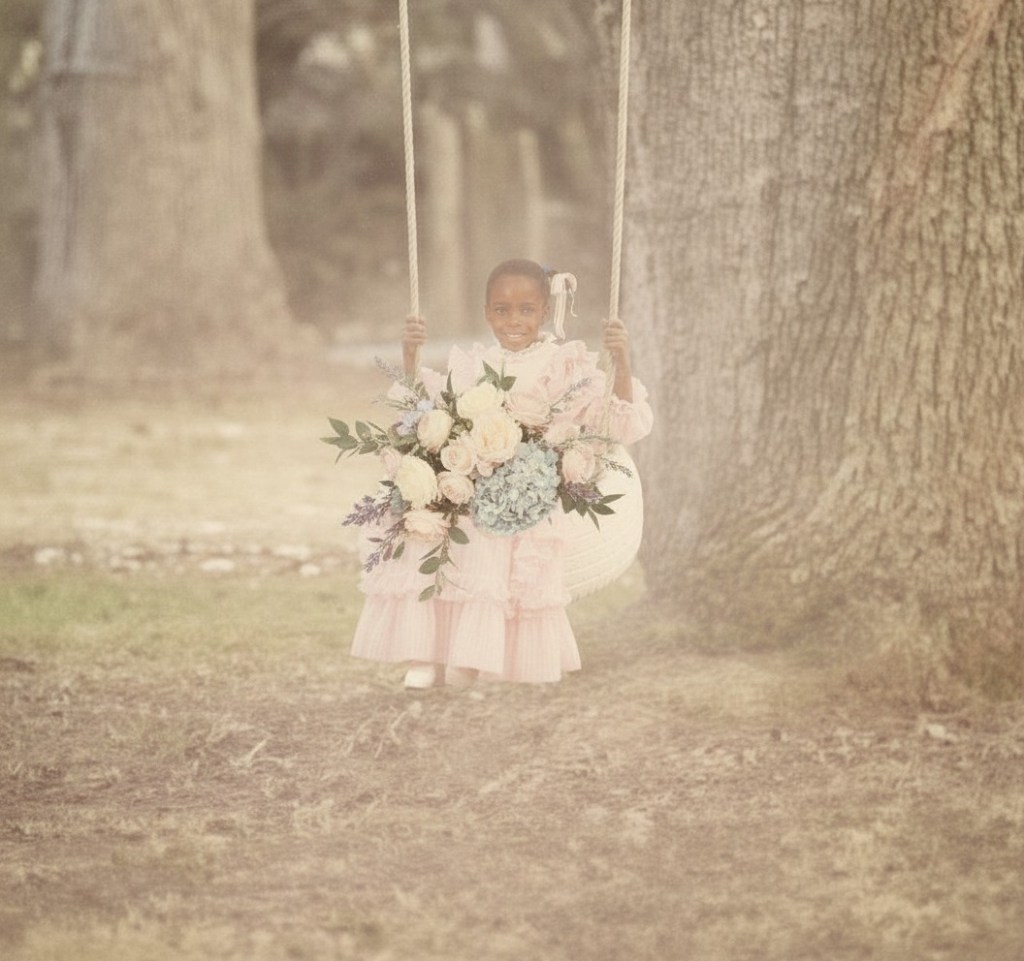
    AI-generated photo of Faye on a swing reading her bible.

    Across cultures, there’s a beautiful understanding about children who leave us too soon.

    In Christian tradition, these little ones are often called “borrowed angels”—precious souls lent to us briefly but meant to return to God’s embrace, leaving behind lessons of love and faith.

    In Mexican tradition, Día de los Angelitos (Day of the Little Angels) honors children who die young as pure souls who become celestial messengers.

    These children are believed to watch over their families from heaven, their innocence intact, their purpose fulfilled even in their brief earthly journey.

    In many Caribbean cultures, there’s a belief that children who shine with unusual brightness are touched by the divine—that their extraordinary sweetness and wisdom signal they belong more to heaven than to earth. Faye embodied this perfectly.

    A Different Kind of Resurrection

    An AI-generated age-projected photo of Faye 5 years ago, if she were still here.

    For years after losing Faye, whenever I encountered a child with that same special spark, I found myself praying more fervently for them. Watching my own daughter pass the age of six brought profound relief and thanksgiving, as memories of how fragile such brilliance can be still lingered in my heart.

    I often think of Lazarus and wish I could have called Faye back from the grave as Jesus did. But I’ve come to understand that even without a physical resurrection, her short life bore powerful witness to God’s love. Her voice, her laughter, her remarkable joy—they all carried God’s message to everyone who knew her.

    Like Lazarus, Faye’s story draws people to believe.

    Not because she walked out of a tomb, but because her life demonstrated that God’s light can shine brilliantly even in the smallest vessels, even for the briefest time.

    Her message wasn’t about defying death, but about embracing life fully while we have it, loving deeply, and trusting that God’s timing—though mysterious to us—is always perfect.

    Over 30 years later, and I remember…

    Though she never emerged from an earthly tomb like Lazarus, I know she walks with Christ in glory. And for that truth, for the privilege of knowing her, and for the lasting impact of her precious life, I am endlessly thankful.

    Reflection: The Angels Among Us

    An AI age-generated photo of what it thinks Faye would look like today.

    Her legacy lives on in every prayer I’ve whispered for other children, every moment I’ve cherished with my own children, and every time I remember that love transcends even death.

    What “little angels” have touched your life?

    How have brief encounters with precious souls left lasting impressions on your faith journey?

    Sometimes the most powerful witnesses aren’t those who return from the grave, but those whose lives—however short—illuminate the eternal love of God for all who are willing to see.

    If this story blessed you, please share it, like, and comment below.

    Don’t hide the blessing—let it multiply like Faye’s light continues to do.

    Thank you for being here.

    In the quiet moments of loss, I hope her mom and siblings find a deep and abiding peace—a peace that gently carries them forward through the shadows of grief toward the light of cherished memories.

  • Grace Across Borders: Paying It Forward

    Honoring Mom & Celebrating Dee: A Family in Pictures

    One of the rare moments, Dee stayed still and looked at the camera. © Tameka 2025

    Hi, and welcome to another post in Grace Across Borders.

    In this post, I want to honor our dog Dee through pictures. He gives so much love to this family and asks for very little in return.

    His quiet generosity and loyalty serve as a reminder of what it means to give without expectation—setting the tone for today’s reflection on paying it forward.

    Biblical Story: Barnabas

    Meet our rat terrier, my children named Dee © Tameka 2025

    In Acts 4:36–37, we meet Barnabas, whose name means “Son of Encouragement.”

    Barnabas sold a field he owned and brought the money to the apostles to help those in need.

    His generosity was not only an act of giving but also a demonstration of care and support for the early Christian community.

    Barnabas’s actions remind us that paying it forward is not limited to family or close friends; it is an outward expression of love, trust, and faith in God’s provision.

    Folklore Story: Anansi and the Box of Wisdom

    AI edited to add playful spider legs costume.

    In one popular Jamaican folktale, Anansi the spider was given a box of all the world’s wisdom.

    Wanting to keep it for himself, he tried to hide it atop a tall tree.

    Yet, in the attempt to hoard wisdom, he discovered that some of it fell into the hands of others.

    The more it fell,

    the more they thanked him,

    the smarter the world got,

    the happier he felt.

    Eventually, he realized that wisdom—and goodness—cannot be contained; it is meant to be shared and benefits everyone who receives it.

    This story echoes the idea that generosity multiplies, not diminishes, the giver’s own joy and purpose.

    Reflection: Family Tradition of Giving

    Humble beginnings. Gerald & Georgia Edwards – Married 43 years – mom has four of us—Anthony, Tameka, Gerald Jr., and Cleon (in age order)—love and legacy in a single frame.

    Growing up, I witnessed firsthand the power of generosity through my mother and grandmother.

    When my mother moved from St. Thomas to Portmore, St. Catherine, she often received packages and provisions from my grandmother, who wanted to ensure she had everything she needed to take care of herself and her growing family.

    My mother’s giving spirit didn’t stop at family—she gives freely to friends, co-workers, neighbors, and her church community, showing that true giving knows no boundaries.

    Since moving away from New York, I have experienced the comfort of her care through boxes sent with Jamaican treats, such as oxtail, goat, mangoes, and even simple snacks like excelsior water crackers.

    These gestures are more than gifts—they are expressions of love and legacy, demonstrating that giving is not about recognition but about fulfilling a calling to support and care for others.

    The act of giving has shaped me profoundly.

    My mother’s example inspires me to continue the tradition of paying it forward, offering encouragement and assistance wherever it is needed.

    Even when gratitude is not expressed, her unwavering generosity reminds me that the impact of giving often extends far beyond what we see.

    Thanks also to the friends and family who have sent care packages from far and wide, or added to Mom’s packages, to remind us that you care. We appreciate you too!

    Giving Honors God

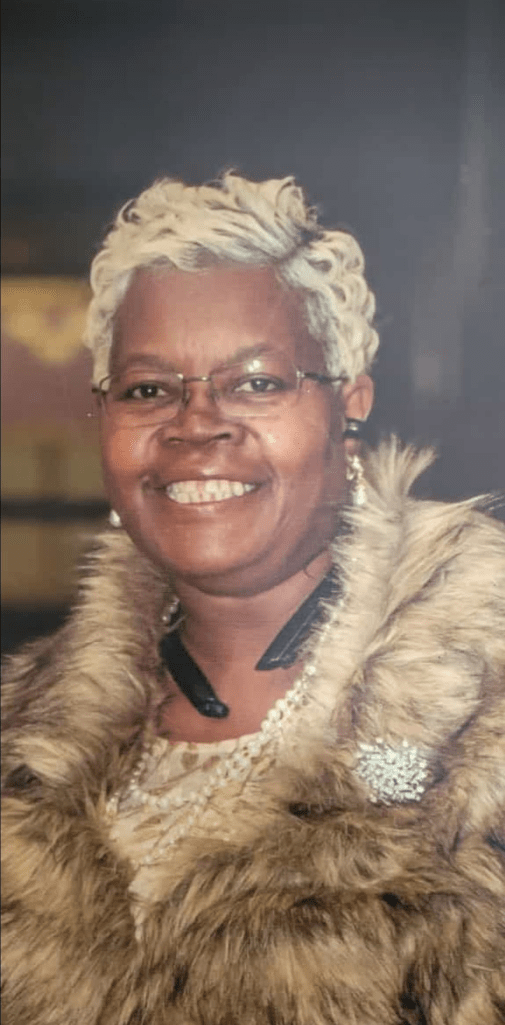
    The beautiful Georgia Edwards, aka Ms. Honey, Sis. Honey, Ms Eddie, Mama Eddie, Deaconess Edwards – my mother. © Joel Edwards Photography 2019

    When we give generously and without expectation, we honor God because we reflect His character—His love, provision, and care for others.

    Just as Barnabas shared his resources in Acts 4:36–37, giving freely demonstrates trust in God’s provision and obedience to His commands.

    Anansi’s story reminds us that goodness multiplies when shared, echoing the way God’s blessings are meant to flow outward.

    My mother’s example, and even Dee’s quiet love, show that giving brings life, encouragement, and joy—not only to the receiver but also to the giver.

    Through acts of generosity, we participate in God’s work and reflect His grace in tangible ways.

    I almost forgot why I gave, why I was the way I am.

    Thank God for these reminders.

    What Does Giving Mean to You?

    I think Dee thinks he’s a bird as he sits on my daughter’s shoulder. © Tameka 2023

    As I reflect on these stories, I’m reminded that generosity and encouragement are not just abstract ideas, but ways of life.

    Think about what this looks like in your own life.

    How can you implement acts of giving, continue habits of kindness, or reignite a spirit of generosity as God leads you?

    Remember that each small act, offered with love and faith, participates in God’s cycle of grace, multiplying blessings beyond what we can see.

    If it blessed you, share, like, comment, and subscribe. Do not be like Anasi and hide the blessing.

    My son and Dee © Tameka 2024
    Love you always mom!

  • Grace Across Borders: When Unexpected Courage Brings Peace

    Sometimes the quietest acts of courage reshape entire stories. Across Scripture, folklore, and even within my own family’s memories, I’ve seen how unexpected bravery can bring lasting peace. Two timeless tales — the biblical story of Ehud, Israel’s left-handed deliverer, and the Italian folk tale of The Clever Girl — beautifully intertwine with a moment from my childhood that I will never forget.

    Ehud: The Left-Handed Deliverer

    Photo by Anastasia Lashkevich on Pexels.com

    In the book of Judges, the Israelites endured 18 long years of oppression under King Eglon of Moab. God raised up an unlikely hero: Ehud, a left-handed man from the tribe of Benjamin.

    At that time, being left-handed was often seen as a weakness, but God used it as a weapon of deliverance.

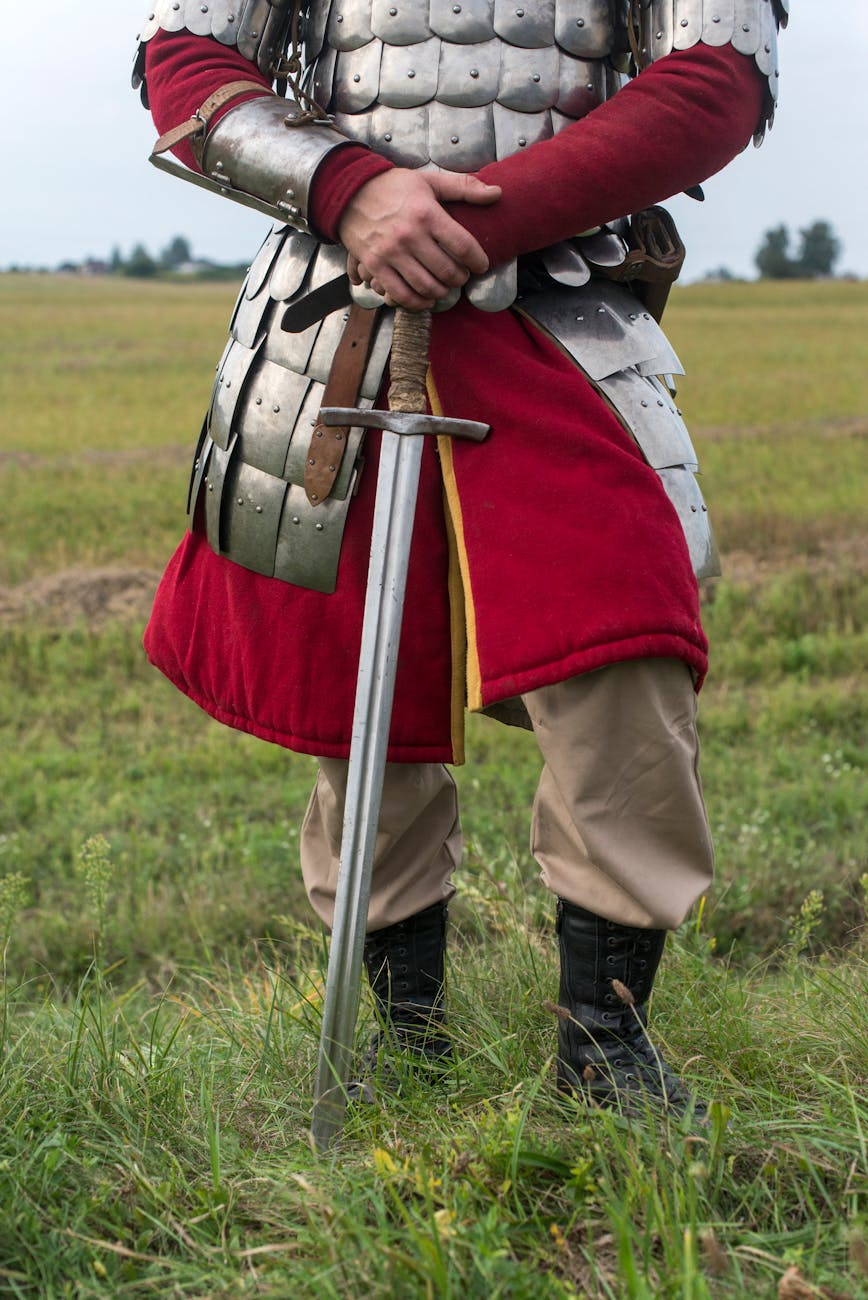
    Carrying a concealed short sword on his right thigh, Ehud gained private access to King Eglon, assassinated him with precision, and rallied Israel to victory. His courage delivered the nation and ushered in 80 years of peace.

    Ehud’s story reminds us that God often uses what the world views as weakness to bring about strength and freedom. Sometimes, the very thing that sets us apart is what God uses to fulfill His plan.

    The Clever Girl: Folk Wisdom and Grace

    Photo by Julia Berdo on Pexels.com

    In Italian folklore, The Clever Girl was neither rich nor powerful — but she possessed a quick mind and unshakable courage.

    When faced with a series of impossible riddles set by a king, she solved each challenge with wit and grace.

    Impressed by her brilliance, the king not only rewarded her but married her, elevating her from humble beginnings to a life of honor.

    Like Ehud, the clever girl reminds us that deliverance doesn’t always come through force. Sometimes it comes through the courage to think differently, act boldly, and trust in the unique gifts God has given us.

    My Reflection: When Courage Protected Us

    Photo by Bruchin Noeka on Pexels.com

    I carry my own story of unexpected courage, etched deeply in my memory.

    I was visiting my great-grandparents in the country. When two armed men tried to break in.

    We were just children — frightened, helpless, and huddled together as the men circled the house.

    My great-grandfather, however, stood calm and fearless.

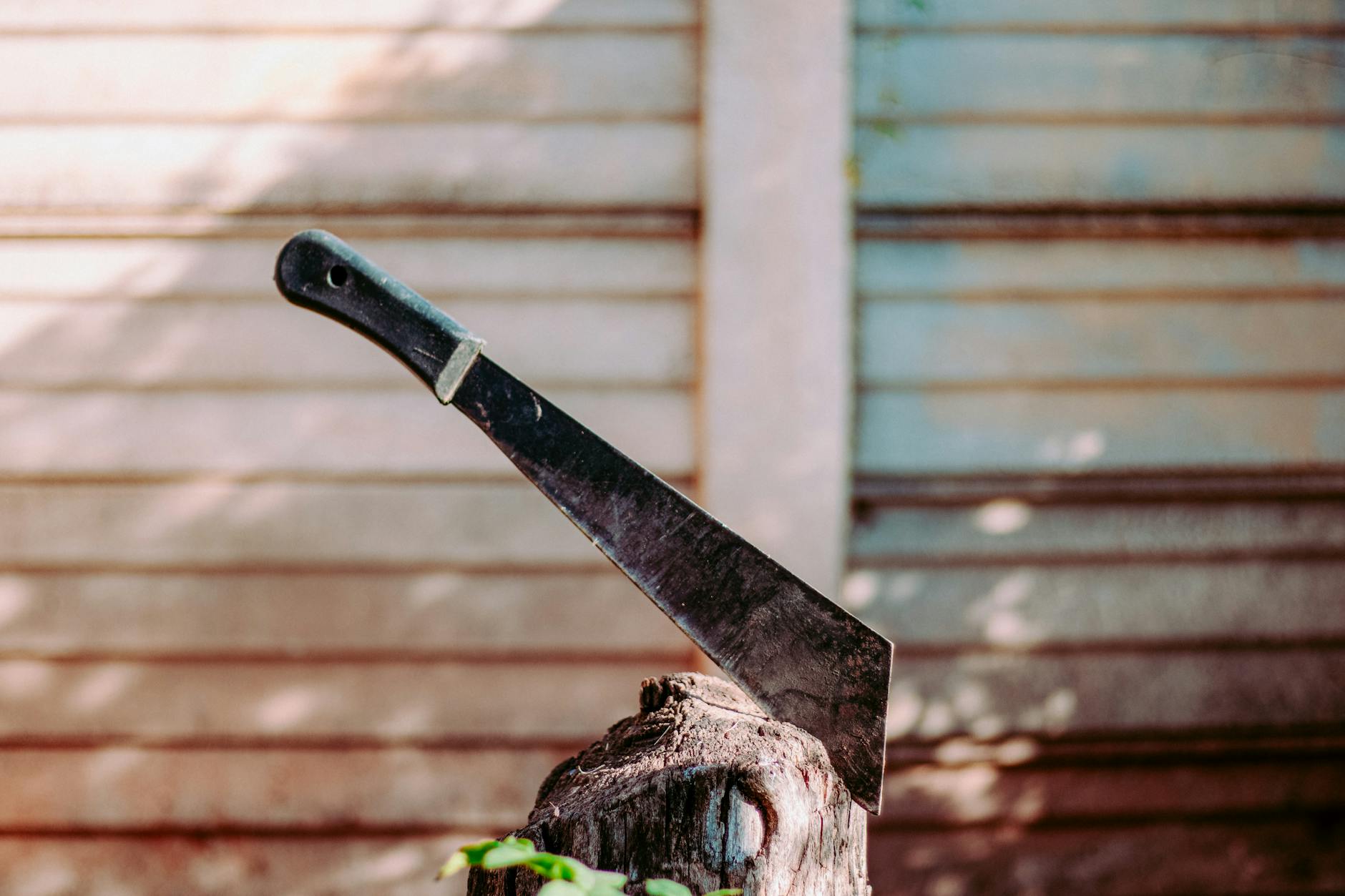
    With nothing but a machete in hand, he told us to stay hidden while he faced the danger outside.

    I still remember the pounding of my heart, the heavy silence of the countryside night, and the shadows shifting across the walls.

    I thought we were all gone. They had guns. We did not.

    Then it happened — one of the intruders pushed his hand through the window, ready to fire. In that instant, my great-grandfather acted. With one swift motion, his machete came down, severing the man’s hand cleanly.

    The men screamed, dropped their guns, and fled into the night. Hours later, the police arrived to collect the weapons they had left behind. After that night, no one ever dared disturb my great-grandparents’ home again.

    Looking back, I believe God’s grace was present in that moment. My great-grandfather’s courage stood between danger and safety, and peace followed where fear once ruled.

    Grace Beyond Borders

    Photo by u0158aj Vaishnaw on Pexels.com

    From Ehud’s daring deliverance to the clever girl’s wit and my great-grandfather’s quiet bravery, these stories remind us of a simple, powerful truth: grace often arrives through unexpected courage.

    Across Scripture, folklore, and our own personal histories, God weaves redemption through ordinary people who are willing to act when it matters most. Courage doesn’t always roar; sometimes it whispers, “Stand firm.”

    My prayer is that we all find the strength to face our own trials with faith, trusting that God’s grace meets us there — even when it comes from the most unexpected places.

    As always, thank you for reading, if it blesses you, please pass it on.

  • Grace Across Borders: Trusting God Through the Storms

    A Full Plate and a Heavy Heart

    On a night like tonight, when my summer classes have finally ended, you would think I’d be celebrating.

    Normally, this would be my time to breathe—to rest before the next set of classes begins. But not this time.

    This summer, I took seven classes between two sessions, in two different schools, and instead of getting a break, my new classes started today, across three different schools.

    To say my plate is full would be an understatement. And honestly, this blog was the last thing I wanted to do tonight after not even a day’s break.

    At first, it felt like one more thing on my never-ending list of assignments. But then God reminded me why I started writing these blogs in the first place. This wasn’t meant to be another burden; it was meant to be my outlet—a place where I could pause, reflect, and breathe in the middle of the chaos.

    It’s not about perfection; it’s about obedience and balance.

    And as I sat with that thought, I was reminded of the story of King Hezekiah.

    Hezekiah’s Story: A God Who Still Heals

    Photo by Valentin Angel Fernandez on Pexels.com

    For those unfamiliar, Hezekiah was the king of Judah, known for trusting God more than almost any king before him.

    One day, the prophet Isaiah brought him devastating news: “Set your house in order, for you are going to die”.

    Imagine hearing that. But instead of giving up, Hezekiah turned to God in prayer.

    He cried out, reminded God of his faithfulness, and asked for mercy. And God heard him.

    God sent Isaiah back to tell him: “I have heard your prayer and seen your tears; I will heal you.” God gave Hezekiah 15 more years of life.

    But Hezekiah’s healing came with a call to obedience.

    God’s grace was real, but it also came with an invitation to walk faithfully, trusting Him fully in the days ahead.

    I Thought I was Dying

    Pulmonary Embolism – The Killer Clot in the Lungs https://myheart.net/articles/pulmonary-embolism-the-killer-clot-in-the-lungs/

    I can relate to Hezekiah’s story in a very personal way.

    Not too long ago, I went through a season where I thought God might be telling me to “put my affairs in order.”

    I kept going back to the doctor, convinced something was wrong, but time after time, they told me, “Everything looks fine.” Deep down, I knew it wasn’t.

    Finally, a physician assistant really listened. She ordered a CT scan of my lungs, and that’s when we discovered the truth—I had blood clots in both lungs, in both the upper and lower lobes. I could have died.

    I cried out to God. My family cried out to God. My church family cried out to God. My friends cried out to God. And God heard us. He healed me.

    I am here today as living proof that God is still healing, still answering prayer, and still working all things together for my good.

    So when I think about Hezekiah’s healing, it’s not just a story on a page—it’s my story too.

    I know what it’s like to face something that feels impossible and to experience God’s grace crossing the borders of fear, sickness, and even death itself.

    That reminds me of another story I love

    Through the Storm: A Lesson in Trust

    Photo by Aurelijus U. on Pexels.com

    One about a father teaching his daughter to drive.

    One day, they were caught in a terrible storm.

    Rain poured so hard she could barely see, and cars all around them began pulling over to wait it out.

    Nervous and afraid, she wanted to stop too, but her father gently said, “No, keep driving.”

    Even though she was scared, she trusted his calm voice and kept going.

    Finally, they drove out of the storm into sunshine.

    Her father told her to stop and look back—and when she did, she saw all the cars still sitting under the storm clouds, stuck where they had stopped.

    That’s what I hear God saying to me tonight: “Keep going.”

    Keep Going: Grace on the Other Side

    Photo by DIALO Photography on Pexels.com

    Grace doesn’t always remove the storm. Sometimes, it carries us through it—but only if we trust Him enough to keep moving forward.

    So here I am, writing this blog not out of obligation, but out of gratitude.

    God didn’t ask me to do this to overwhelm me; He asked me to do it to remind me—and maybe remind you too—that He’s faithful.

    He promised He would take care of me. He promised He would never leave me. And He promised that when the burden gets heavy, He will help me see it through.

    Maybe you need that reminder, too.

    Whatever storm you’re facing right now, don’t pull over.

    Don’t give up. Trust the One who sees what’s on the other side of it all.

    The same God who heard Hezekiah’s prayer, who healed my body, and who guided that young driver through the storm—that same God is still moving.

    His grace crosses borders… the borders of fear, exhaustion, doubt, and impossibility… to meet us right where we are.

    Photo by Prateek Katyal on Pexels.com
    If we just keep going, we’ll see the sunshine waiting on the other side. 🌿
    As always, thank you for being here.
    Please share, like, comment, and or subscribe.

  • From Ashes to Restoration: The Strength to Keep Going

    Job’s Perseverance

    Job’s life was the picture of blessing — family, health, wealth, and honor. Yet, in what felt like a single breath, it all was stripped away.

    His body was wracked with painful sores, his children were gone, his wealth vanished, and his friends questioned his character.

    Even his wife urged him to “curse God and die.” But Job refused to let go of his faith.

    He wrestled with God in his questions, yet he never abandoned Him.

    In the end, God restored Job — not just to his former life, but with even greater blessings than before.

    The Phoenix

    In ancient Greek and Egyptian myth, the phoenix is a bird of radiant beauty that lives for centuries.

    When its life nears an end, it builds a nest and sets itself aflame. The fire consumes it completely until only ashes remain.

    But the story doesn’t end there — from those ashes, the phoenix rises again, renewed and full of life, ready to soar higher than before.

    The destruction is not its end; it’s the very process that gives birth to its new beginning.

    Message: Pain is Not the End

    Photo by Ba Tik on Pexels.com

    Both Job and the phoenix teach us that pain is not a full stop; it’s often a comma in the sentence of our lives.

    The season of burning, of loss, of questioning, can feel unbearable. We may look at the ashes of what we once had and think, “This is the end.” But God’s story for us doesn’t end in ashes.

    Like Job, we can hold fast to faith even when we don’t understand. Like the phoenix, we can trust that even the ashes hold the seeds of new life.

    If you are walking through fire right now, whether in your health, your family, your finances, or your faith, remember that you’re not being consumed without purpose.

    In God’s hands, the fire refines, the ashes nourish, and your next chapter can be even stronger than the one before.

    Reflection Question and Personal Story

    The Latin phrase “Studia inmores ineunt” can be translated roughly as:
    “Study enters into one’s life” or “Studies become part of one’s character.”
    It emphasizes that learning is not just academic but should shape a person’s habits, character, and daily living. In the context of Tivoli Gardens High School, it reflects the school’s focus on education as a transformative force in students’ lives. It lives on in people like me. Thank you Tivoli!
    “When the storms of life keep coming, do you see them as signs to give up, or as preparation for the strength you’ll need to stand taller later?”

    Last night, I didn’t have the strength to attend class because of pain and exhaustion. I asked myself again, why am I going back to school? Why am I continuing with this blog? I didn’t have a story ready and might have even used Job’s story before, but then the story of the phoenix popped into my mind. It reminded me of a time in primary school in Jamaica.

    I had a teacher who didn’t care much for me and seemed determined to prove I wasn’t as smart as others thought. I had always been favored in school, with a gift of gab and eloquence, but I had a test phobia. This teacher seemed to make it worse. I struggled with exams, and when it came time for the common entrance exam to get into high school, I didn’t perform well.

    My mother wanted me to attend Tivoli Gardens Comprehensive High School, which required a recommendation from this teacher. The recommendation she wrote was overly formal, with an attempt to hide her disfavor, but my mother finally believed me. Against all odds, I got into Tivoli. I will never forget that teacher’s smug look when she heard, but on the first day of school, I saw the phoenix on the school emblem, with the words underneath: “From the ashes we rise.”

    I realized then — I had been from the ashes, and I would always rise.

    During my time at Tivoli, I overcame so much to eventually become class prefect, Key Club president for three years, acting head girl, and so much more. I represented my school on TV, the radio, in newspapers, and even at overseas conferences. Pain, discouragement, and unfair treatment do not define the end of our story.

    Like Job and like the phoenix, we have the strength to rise again. And I want to encourage everyone reading this: let’s rise together. Please, like, share, subscribe, and comment.
    Photo by David Gan on Pexels.com

4 responses to “The Wolf You Feed: Grace Writes in the Dust”

  1. TEdwardsGooden Avatar
    TEdwardsGooden

    Amen, thank you so much, Pastor. We often forget

    Like

  2. John Avatar
    John

    Amen, blessed by the word. We are all products of grace in Christ Jesus!!

    Liked by 1 person

  3. vibrant7d9641f666 Avatar
    vibrant7d9641f666

    Let the one among you who is without sin be the first to throw a stone at her.” If more people actually lived by this principle, I think people would be more compassionate and a lot less judgmental. I totally agree that grace and mercy shows up in all kinds of ways. It’s a powerful reminder that you are not defined by what you have done, but by what love chose to do for you.

    Liked by 2 people

    1. TEdwardsGooden Avatar
      TEdwardsGooden

      Amen! Thank you for your positive feedback and affirmation. I pray we all live by God’s grace.

      Like

Leave a Reply

Faith. Life. Culture. Grace.

,