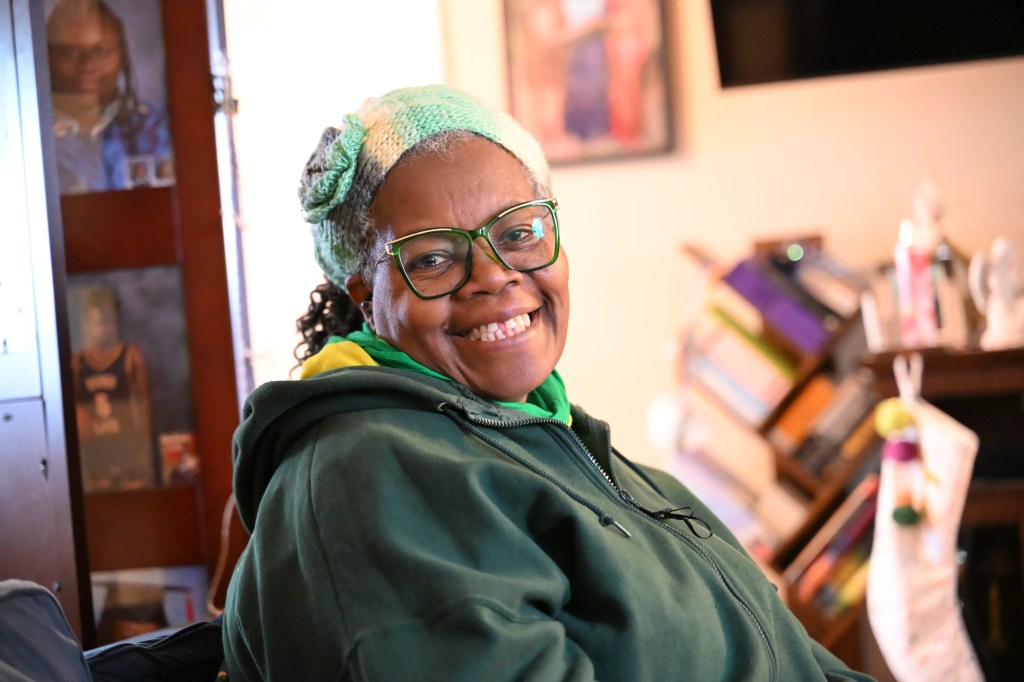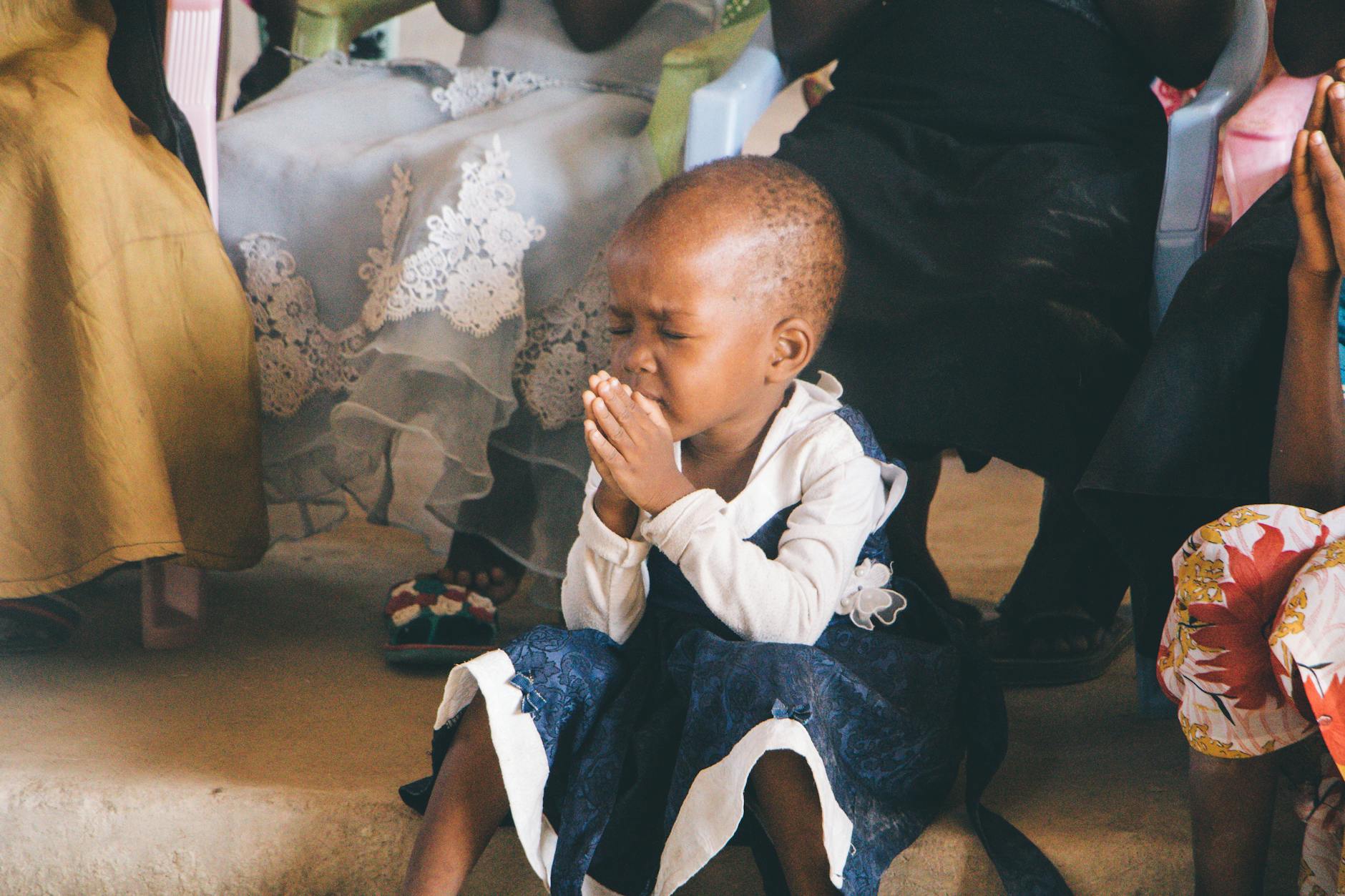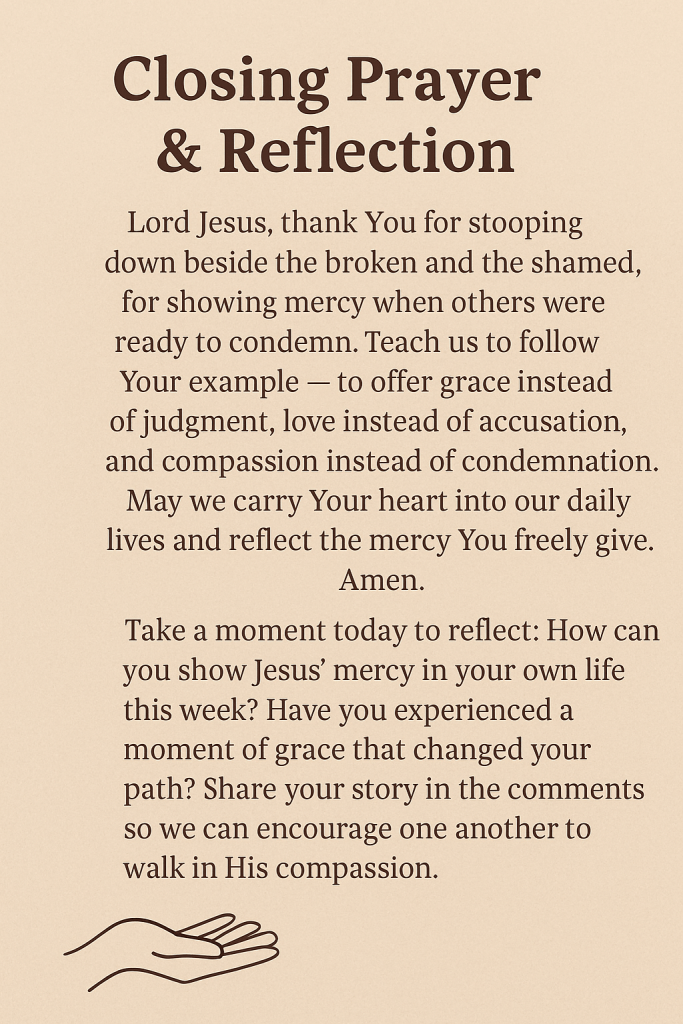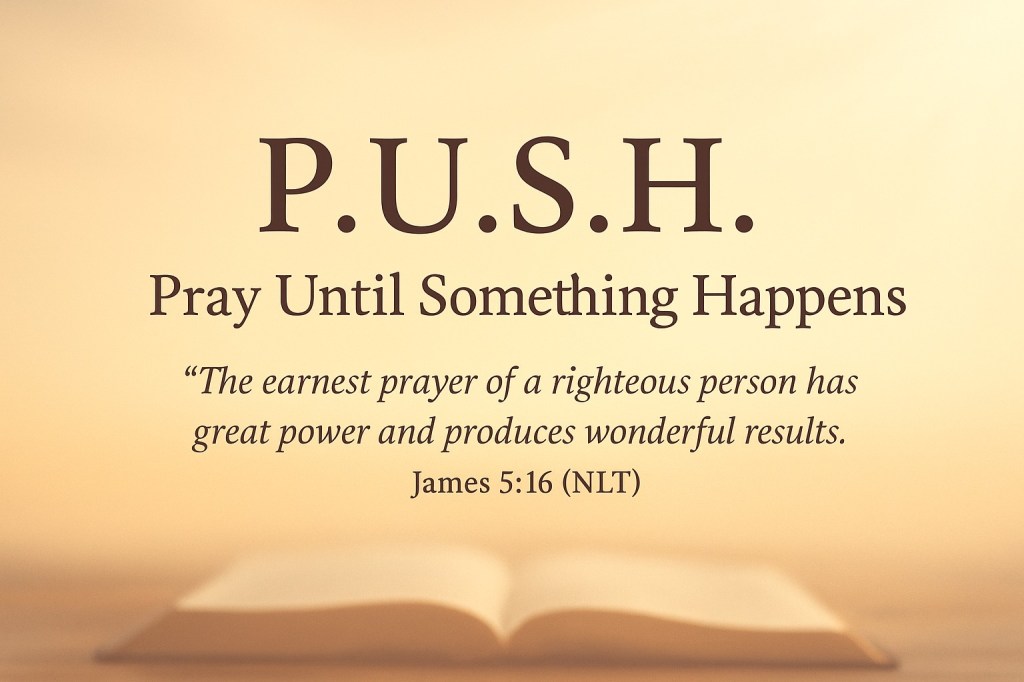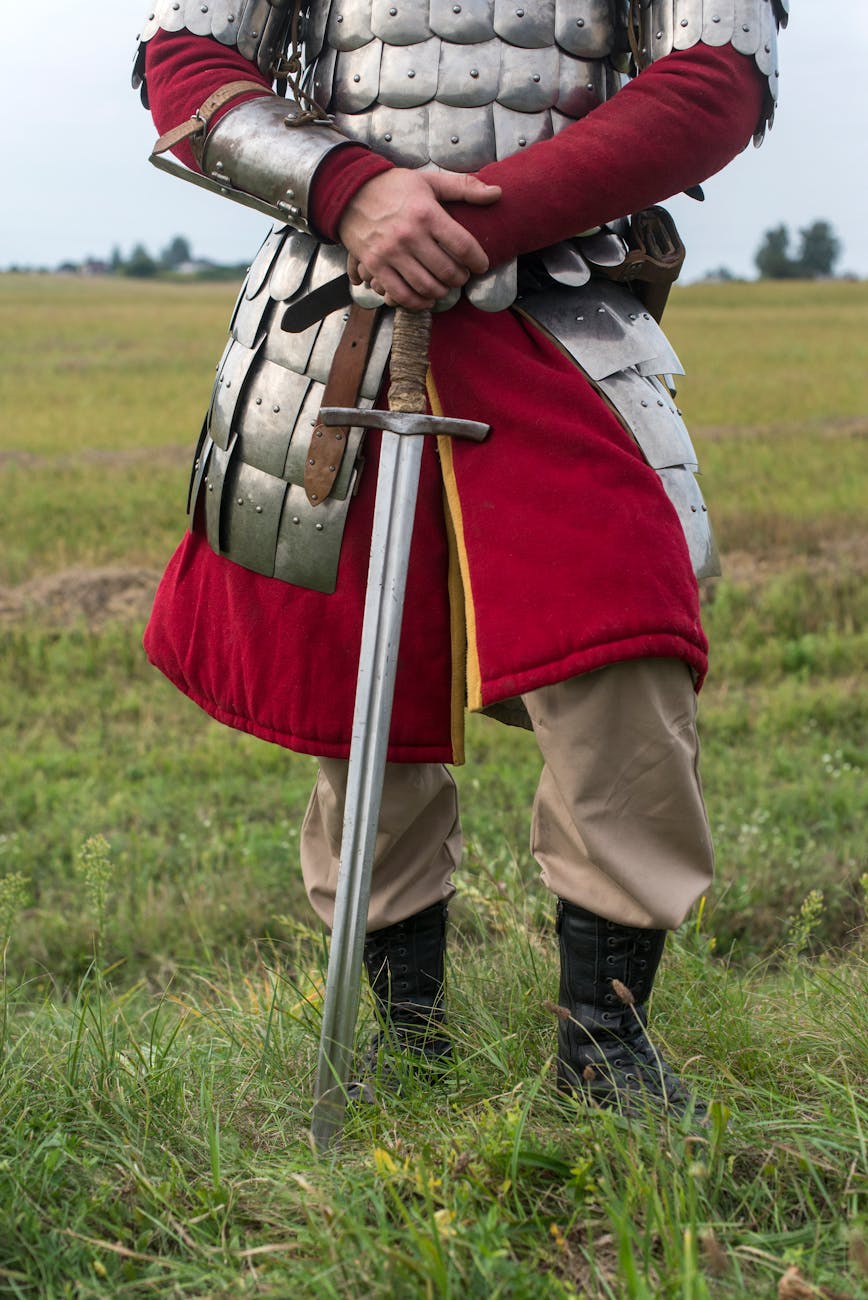
• Grace Across Heaven’s Borders: A Child’s Lasting Legacy

    Lazarus and the Little Angel: Remembering Faye

    Faye is holding her bible. Contributed by her sister.

    Growing up, I had a little cousin named Faye. Among all my cousins, there was something undeniably special about her. She was quiet, sweet, and different in a way I couldn’t quite describe.

    Hi, I’m Tameka, and I want to share Faye’s story — a story that helped to shape the way I see life, faith, and grace. I must admit I didn’t truly get to know her until she became sick, and those moments would change the way I understood love, loss, and the fleeting beauty of childhood.

    One day, Faye was playing on a backyard tire swing in her home in Papine St. Andrew, Jamaica., when she fell and hit her head. Rushed to the hospital, after a scan, doctors discovered a brain tumor that had been silently growing. Every Sunday after that, my mom would visit her—and I would go along.

    My mom would bring her a chicken leg, her absolute favorite, and I would watch her enjoy it like it was the finest steak.

    She could hold conversations like she was twenty years old, and at just five, she amazed everyone with her wisdom and infectious joy.

    The thing that got me was how she loved God and the Word.

    I mean, she knew the bible at such a young age and she loved the church.

    If only the next story was her reality.

    Biblical Story: Lazarus and the Echo of God’s Love

    A picture of Faye, contributed by her sister.

    In John 11, we read about a man named Lazarus. He was a friend of Jesus who had fallen seriously ill and died. Lazarus’s sisters, Mary and Martha, were heartbroken, and when Jesus arrived, Lazarus had already been in the tomb for four days.

    Then Jesus did something remarkable. He called out to Lazarus, “Lazarus, come forth!” And, as the story tells us, Lazarus walked out of the tomb — alive, whole, and renewed.

    But this miracle wasn’t only about bringing one man back to life. Jesus performed it so that those who witnessed it might believe in God’s power over death (John 11:42). Lazarus’s resurrection became a living testament to God’s authority and love, a sign that even in the face of death, there is hope, restoration, and new life.

    Even if we had never heard this story before, we can imagine the astonishment of those standing at the tomb: grief turning to amazement, despair giving way to hope. When Jesus called out, it wasn’t just about Lazarus returning to life — it was about the message that would echo through generations: with God, death is never the final word, and every life, no matter how brief, can carry a message of faith and grace.

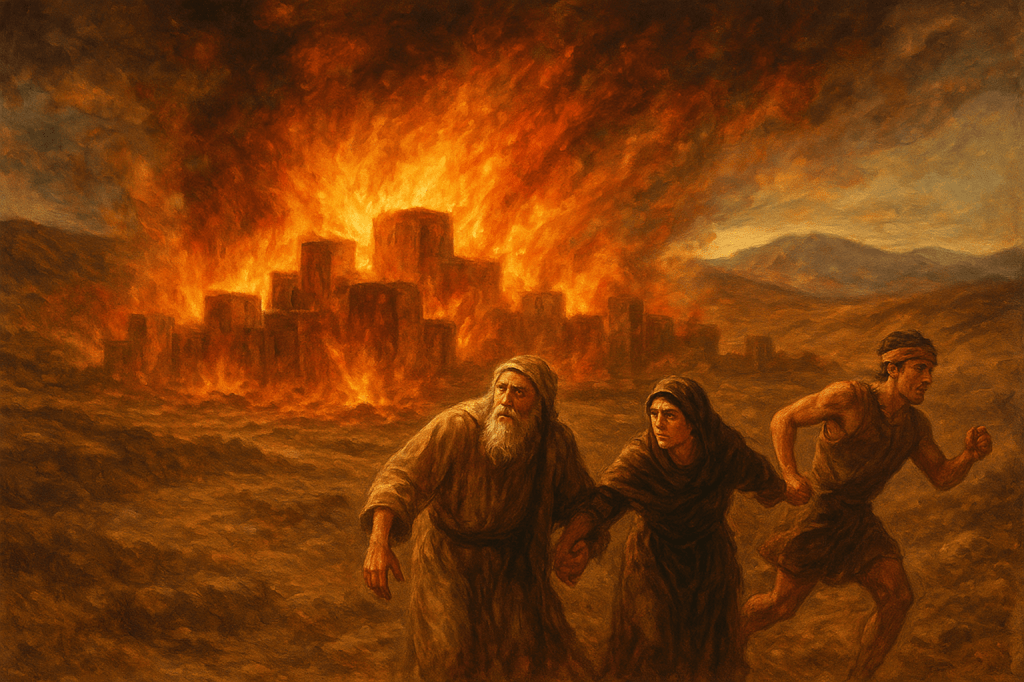
    This rendition puts it so well.

    A Life Cut Short, A Message That Endures

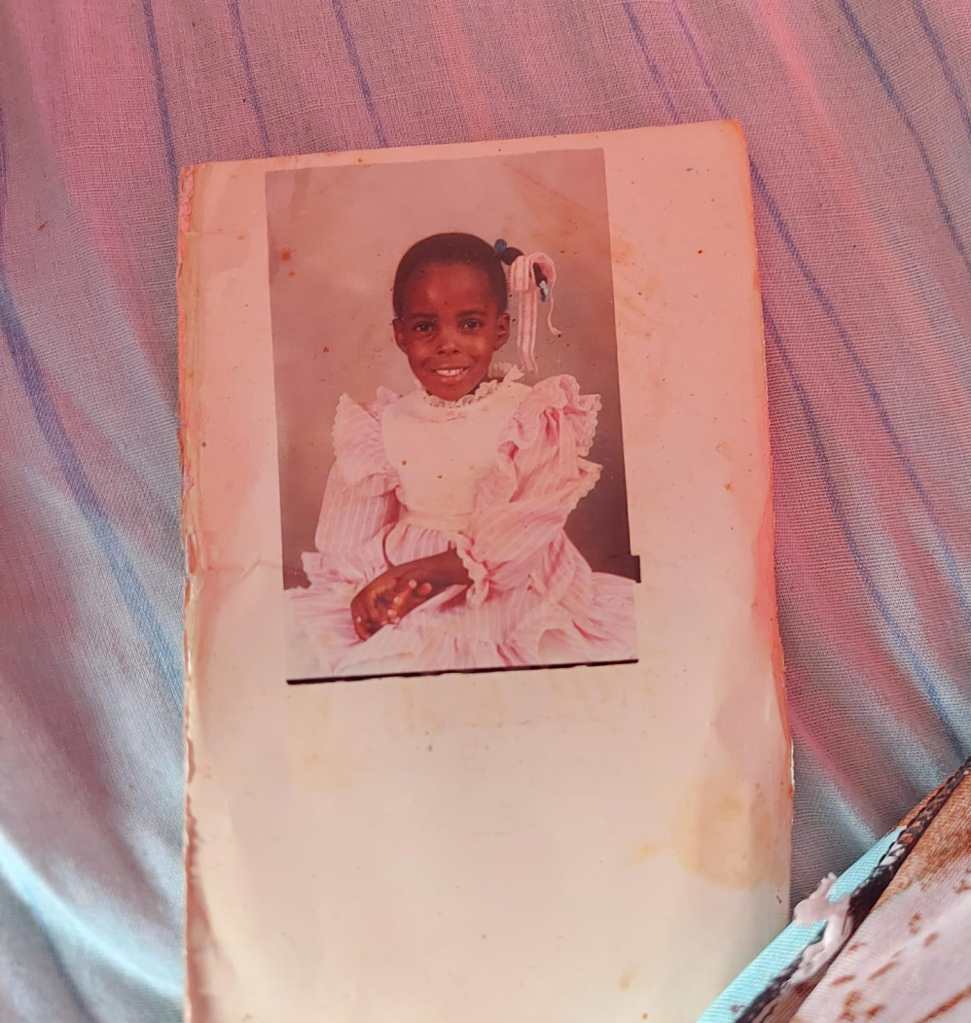
    Faye as a baby. Contributed by her sister, Jervette.

    Faye passed on a Friday.

    My mom had promised to bring her another chicken leg that Sunday, and she had been looking forward to it with such anticipation.

    My heart shattered.

    There was something divinely set apart about her—a light so radiant that even in her brief five and a half years, she left an indelible mark on everyone who knew her.

    I remember her funeral vividly.

    My uncle lovingly built her casket with his own hands, and my mom carefully lined it with soft padding.

    I rode in the back of the pickup truck as we carried her to the church, my heart heavy with grief and love.

    She was dressed beautifully in white, a beloved doll cradled in her arms, and 2 treasured chicken legs placed beside her—just as she would have wanted.

    She looked as peaceful as if she were simply sleeping.

    That same day, we shared the funeral service with another child, a little boy who had lived unloved and neglected.

    My heart ached for him; a tiny heart-shaped glass was all that gave a window into his coffin.

    Yet, I felt profound gratitude for Faye—for all the love she had received and the pure joy she had brought to our family.

    All children deserve to be loved and cared for.

    Folklore: Children as Heaven’s Messengers

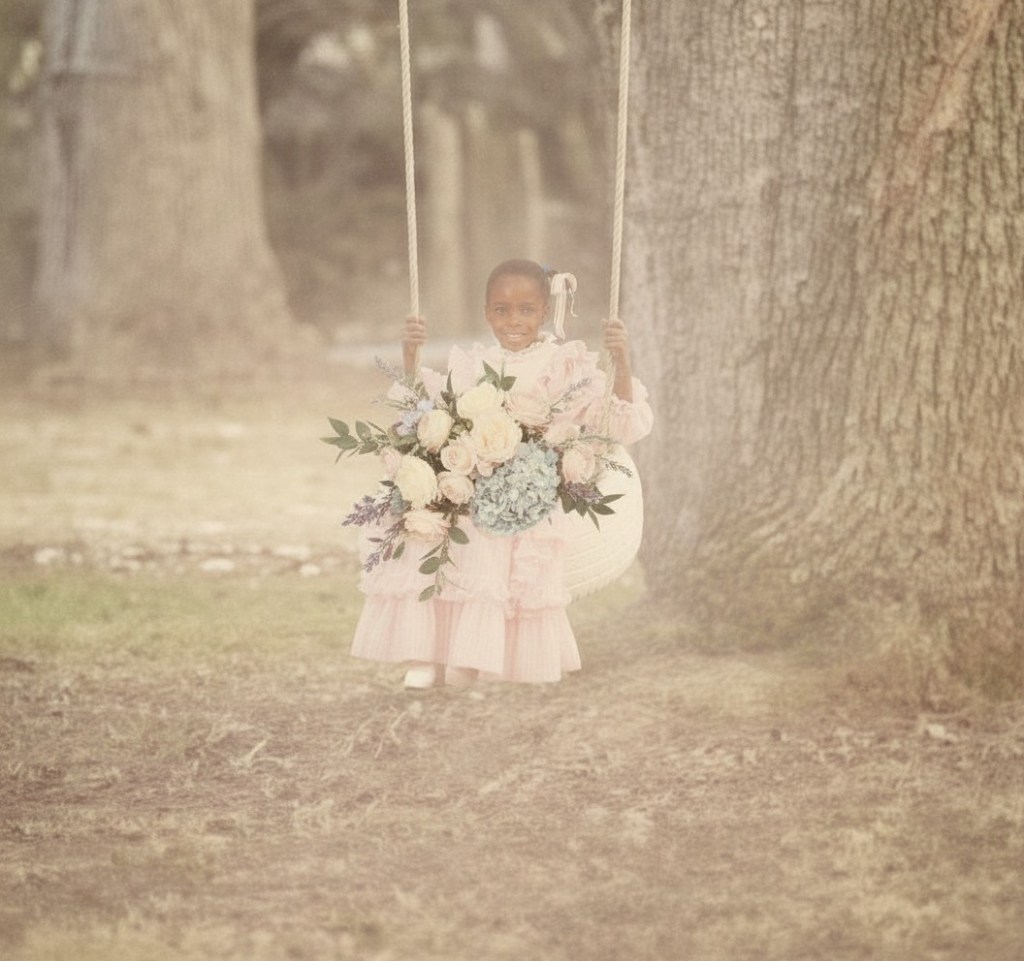
    AI-generated photo of Faye on a swing reading her bible.

    Across cultures, there’s a beautiful understanding about children who leave us too soon.

    In Christian tradition, these little ones are often called “borrowed angels”—precious souls lent to us briefly but meant to return to God’s embrace, leaving behind lessons of love and faith.

    In Mexican tradition, Día de los Angelitos (Day of the Little Angels) honors children who die young as pure souls who become celestial messengers.

    These children are believed to watch over their families from heaven, their innocence intact, their purpose fulfilled even in their brief earthly journey.

    In many Caribbean cultures, there’s a belief that children who shine with unusual brightness are touched by the divine—that their extraordinary sweetness and wisdom signal they belong more to heaven than to earth. Faye embodied this perfectly.

    A Different Kind of Resurrection

    An AI-generated age-projected photo of Faye 5 years ago, if she were still here.

    For years after losing Faye, whenever I encountered a child with that same special spark, I found myself praying more fervently for them. Watching my own daughter pass the age of six brought profound relief and thanksgiving, as memories of how fragile such brilliance can be still lingered in my heart.

    I often think of Lazarus and wish I could have called Faye back from the grave as Jesus did. But I’ve come to understand that even without a physical resurrection, her short life bore powerful witness to God’s love. Her voice, her laughter, her remarkable joy—they all carried God’s message to everyone who knew her.

    Like Lazarus, Faye’s story draws people to believe.

    Not because she walked out of a tomb, but because her life demonstrated that God’s light can shine brilliantly even in the smallest vessels, even for the briefest time.

    Her message wasn’t about defying death, but about embracing life fully while we have it, loving deeply, and trusting that God’s timing—though mysterious to us—is always perfect.

    Over 30 years later, and I remember…

    Though she never emerged from an earthly tomb like Lazarus, I know she walks with Christ in glory. And for that truth, for the privilege of knowing her, and for the lasting impact of her precious life, I am endlessly thankful.

    Reflection: The Angels Among Us

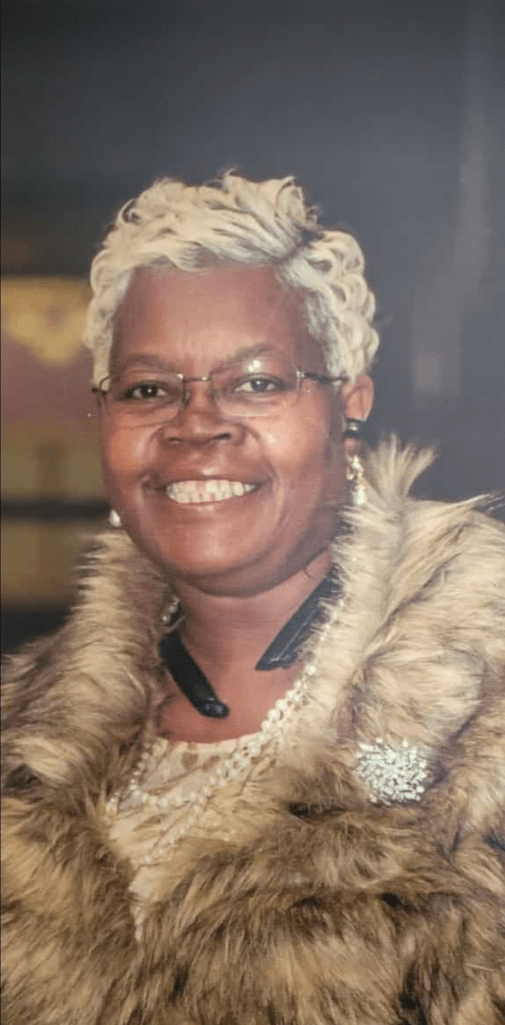
    An AI age-generated photo of what it thinks Faye would look like today.

    Her legacy lives on in every prayer I’ve whispered for other children, every moment I’ve cherished with my own children, and every time I remember that love transcends even death.

    What “little angels” have touched your life?

    How have brief encounters with precious souls left lasting impressions on your faith journey?

    Sometimes the most powerful witnesses aren’t those who return from the grave, but those whose lives—however short—illuminate the eternal love of God for all who are willing to see.

    If this story blessed you, please share it, like, and comment below.

    Don’t hide the blessing—let it multiply like Faye’s light continues to do.

    Thank you for being here.

    In the quiet moments of loss, I hope her mom and siblings find a deep and abiding peace—a peace that gently carries them forward through the shadows of grief toward the light of cherished memories.

  • Grace Across Borders: Paying It Forward

    Honoring Mom & Celebrating Dee: A Family in Pictures

    One of the rare moments, Dee stayed still and looked at the camera. © Tameka 2025

    Hi, and welcome to another post in Grace Across Borders.

    In this post, I want to honor our dog Dee through pictures. He gives so much love to this family and asks for very little in return.

    His quiet generosity and loyalty serve as a reminder of what it means to give without expectation—setting the tone for today’s reflection on paying it forward.

    Biblical Story: Barnabas

    Meet our rat terrier, my children named Dee © Tameka 2025

    In Acts 4:36–37, we meet Barnabas, whose name means “Son of Encouragement.”

    Barnabas sold a field he owned and brought the money to the apostles to help those in need.

    His generosity was not only an act of giving but also a demonstration of care and support for the early Christian community.

    Barnabas’s actions remind us that paying it forward is not limited to family or close friends; it is an outward expression of love, trust, and faith in God’s provision.

    Folklore Story: Anansi and the Box of Wisdom

    AI edited to add playful spider legs costume.

    In one popular Jamaican folktale, Anansi the spider was given a box of all the world’s wisdom.

    Wanting to keep it for himself, he tried to hide it atop a tall tree.

    Yet, in the attempt to hoard wisdom, he discovered that some of it fell into the hands of others.

    The more it fell,

    the more they thanked him,

    the smarter the world got,

    the happier he felt.

    Eventually, he realized that wisdom—and goodness—cannot be contained; it is meant to be shared and benefits everyone who receives it.

    This story echoes the idea that generosity multiplies, not diminishes, the giver’s own joy and purpose.

    Reflection: Family Tradition of Giving

    Humble beginnings. Gerald & Georgia Edwards – Married 43 years – mom has four of us—Anthony, Tameka, Gerald Jr., and Cleon (in age order)—love and legacy in a single frame.

    Growing up, I witnessed firsthand the power of generosity through my mother and grandmother.

    When my mother moved from St. Thomas to Portmore, St. Catherine, she often received packages and provisions from my grandmother, who wanted to ensure she had everything she needed to take care of herself and her growing family.

    My mother’s giving spirit didn’t stop at family—she gives freely to friends, co-workers, neighbors, and her church community, showing that true giving knows no boundaries.

    Since moving away from New York, I have experienced the comfort of her care through boxes sent with Jamaican treats, such as oxtail, goat, mangoes, and even simple snacks like excelsior water crackers.

    These gestures are more than gifts—they are expressions of love and legacy, demonstrating that giving is not about recognition but about fulfilling a calling to support and care for others.

    The act of giving has shaped me profoundly.

    My mother’s example inspires me to continue the tradition of paying it forward, offering encouragement and assistance wherever it is needed.

    Even when gratitude is not expressed, her unwavering generosity reminds me that the impact of giving often extends far beyond what we see.

    Thanks also to the friends and family who have sent care packages from far and wide, or added to Mom’s packages, to remind us that you care. We appreciate you too!

    Giving Honors God

    The beautiful Georgia Edwards, aka Ms. Honey, Sis. Honey, Ms Eddie, Mama Eddie, Deaconess Edwards – my mother. © Joel Edwards Photography 2019

    When we give generously and without expectation, we honor God because we reflect His character—His love, provision, and care for others.

    Just as Barnabas shared his resources in Acts 4:36–37, giving freely demonstrates trust in God’s provision and obedience to His commands.

    Anansi’s story reminds us that goodness multiplies when shared, echoing the way God’s blessings are meant to flow outward.

    My mother’s example, and even Dee’s quiet love, show that giving brings life, encouragement, and joy—not only to the receiver but also to the giver.

    Through acts of generosity, we participate in God’s work and reflect His grace in tangible ways.

    I almost forgot why I gave, why I was the way I am.

    Thank God for these reminders.

    What Does Giving Mean to You?

    I think Dee thinks he’s a bird as he sits on my daughter’s shoulder. © Tameka 2023

    As I reflect on these stories, I’m reminded that generosity and encouragement are not just abstract ideas, but ways of life.

    Think about what this looks like in your own life.

    How can you implement acts of giving, continue habits of kindness, or reignite a spirit of generosity as God leads you?

    Remember that each small act, offered with love and faith, participates in God’s cycle of grace, multiplying blessings beyond what we can see.

    If it blessed you, share, like, comment, and subscribe. Do not be like Anasi and hide the blessing.

    My son and Dee © Tameka 2024
    Love you always mom!

  • Grace Across Borders: When Unexpected Courage Brings Peace

    Sometimes the quietest acts of courage reshape entire stories. Across Scripture, folklore, and even within my own family’s memories, I’ve seen how unexpected bravery can bring lasting peace. Two timeless tales — the biblical story of Ehud, Israel’s left-handed deliverer, and the Italian folk tale of The Clever Girl — beautifully intertwine with a moment from my childhood that I will never forget.

    Ehud: The Left-Handed Deliverer

    Photo by Anastasia Lashkevich on Pexels.com

    In the book of Judges, the Israelites endured 18 long years of oppression under King Eglon of Moab. God raised up an unlikely hero: Ehud, a left-handed man from the tribe of Benjamin.

    At that time, being left-handed was often seen as a weakness, but God used it as a weapon of deliverance.

    Carrying a concealed short sword on his right thigh, Ehud gained private access to King Eglon, assassinated him with precision, and rallied Israel to victory. His courage delivered the nation and ushered in 80 years of peace.

    Ehud’s story reminds us that God often uses what the world views as weakness to bring about strength and freedom. Sometimes, the very thing that sets us apart is what God uses to fulfill His plan.

    The Clever Girl: Folk Wisdom and Grace

    Photo by Julia Berdo on Pexels.com

    In Italian folklore, The Clever Girl was neither rich nor powerful — but she possessed a quick mind and unshakable courage.

    When faced with a series of impossible riddles set by a king, she solved each challenge with wit and grace.

    Impressed by her brilliance, the king not only rewarded her but married her, elevating her from humble beginnings to a life of honor.

    Like Ehud, the clever girl reminds us that deliverance doesn’t always come through force. Sometimes it comes through the courage to think differently, act boldly, and trust in the unique gifts God has given us.

    My Reflection: When Courage Protected Us

    Photo by Bruchin Noeka on Pexels.com

    I carry my own story of unexpected courage, etched deeply in my memory.

    I was visiting my great-grandparents in the country. When two armed men tried to break in.

    We were just children — frightened, helpless, and huddled together as the men circled the house.

    My great-grandfather, however, stood calm and fearless.

    With nothing but a machete in hand, he told us to stay hidden while he faced the danger outside.

    I still remember the pounding of my heart, the heavy silence of the countryside night, and the shadows shifting across the walls.

    I thought we were all gone. They had guns. We did not.

    Then it happened — one of the intruders pushed his hand through the window, ready to fire. In that instant, my great-grandfather acted. With one swift motion, his machete came down, severing the man’s hand cleanly.

    The men screamed, dropped their guns, and fled into the night. Hours later, the police arrived to collect the weapons they had left behind. After that night, no one ever dared disturb my great-grandparents’ home again.

    Looking back, I believe God’s grace was present in that moment. My great-grandfather’s courage stood between danger and safety, and peace followed where fear once ruled.

    Grace Beyond Borders

    Photo by u0158aj Vaishnaw on Pexels.com

    From Ehud’s daring deliverance to the clever girl’s wit and my great-grandfather’s quiet bravery, these stories remind us of a simple, powerful truth: grace often arrives through unexpected courage.

    Across Scripture, folklore, and our own personal histories, God weaves redemption through ordinary people who are willing to act when it matters most. Courage doesn’t always roar; sometimes it whispers, “Stand firm.”

    My prayer is that we all find the strength to face our own trials with faith, trusting that God’s grace meets us there — even when it comes from the most unexpected places.

    As always, thank you for reading, if it blesses you, please pass it on.

  • Grace Across Borders: Trusting God Through the Storms

    A Full Plate and a Heavy Heart

    On a night like tonight, when my summer classes have finally ended, you would think I’d be celebrating.

    Normally, this would be my time to breathe—to rest before the next set of classes begins. But not this time.

    This summer, I took seven classes between two sessions, in two different schools, and instead of getting a break, my new classes started today, across three different schools.

    To say my plate is full would be an understatement. And honestly, this blog was the last thing I wanted to do tonight after not even a day’s break.

    At first, it felt like one more thing on my never-ending list of assignments. But then God reminded me why I started writing these blogs in the first place. This wasn’t meant to be another burden; it was meant to be my outlet—a place where I could pause, reflect, and breathe in the middle of the chaos.

    It’s not about perfection; it’s about obedience and balance.

    And as I sat with that thought, I was reminded of the story of King Hezekiah.

    Hezekiah’s Story: A God Who Still Heals

    Photo by Valentin Angel Fernandez on Pexels.com

    For those unfamiliar, Hezekiah was the king of Judah, known for trusting God more than almost any king before him.

    One day, the prophet Isaiah brought him devastating news: Set your house in order, for you are going to die.

    Imagine hearing that. But instead of giving up, Hezekiah turned to God in prayer.

    He cried out, reminded God of his faithfulness, and asked for mercy. And God heard him.

    God sent Isaiah back to tell him: “I have heard your prayer and seen your tears; I will heal you. God gave Hezekiah 15 more years of life.

    But Hezekiah’s healing came with a call to obedience.

    God’s grace was real, but it also came with an invitation to walk faithfully, trusting Him fully in the days ahead.

    I Thought I was Dying

    Pulmonary Embolism – The Killer Clot in the Lungs https://myheart.net/articles/pulmonary-embolism-the-killer-clot-in-the-lungs/

    I can relate to Hezekiah’s story in a very personal way.

    Not too long ago, I went through a season where I thought God might be telling me to “put my affairs in order.”

    I kept going back to the doctor, convinced something was wrong, but time after time, they told me, “Everything looks fine.” Deep down, I knew it wasn’t.

    Finally, a physician assistant really listened. She ordered a CT scan of my lungs, and that’s when we discovered the truth—I had blood clots in both lungs, in both the upper and lower lobes. I could have died.

    I cried out to God. My family cried out to God. My church family cried out to God. My friends cried out to God. And God heard us. He healed me.

    I am here today as living proof that God is still healing, still answering prayer, and still working all things together for my good.

    So when I think about Hezekiah’s healing, it’s not just a story on a page—it’s my story too.

    I know what it’s like to face something that feels impossible and to experience God’s grace crossing the borders of fear, sickness, and even death itself.

    That reminds me of another story I love

    Through the Storm: A Lesson in Trust

    Photo by Aurelijus U. on Pexels.com

    One about a father teaching his daughter to drive.

    One day, they were caught in a terrible storm.

    Rain poured so hard she could barely see, and cars all around them began pulling over to wait it out.

    Nervous and afraid, she wanted to stop too, but her father gently said, “No, keep driving.”

    Even though she was scared, she trusted his calm voice and kept going.

    Finally, they drove out of the storm into sunshine.

    Her father told her to stop and look back—and when she did, she saw all the cars still sitting under the storm clouds, stuck where they had stopped.

    That’s what I hear God saying to me tonight: “Keep going.”

    Keep Going: Grace on the Other Side

    Photo by DIALO Photography on Pexels.com

    Grace doesn’t always remove the storm. Sometimes, it carries us through it—but only if we trust Him enough to keep moving forward.

    So here I am, writing this blog not out of obligation, but out of gratitude.

    God didn’t ask me to do this to overwhelm me; He asked me to do it to remind me—and maybe remind you too—that He’s faithful.

    He promised He would take care of me. He promised He would never leave me. And He promised that when the burden gets heavy, He will help me see it through.

    Maybe you need that reminder, too.

    Whatever storm you’re facing right now, don’t pull over.

    Don’t give up. Trust the One who sees what’s on the other side of it all.

    The same God who heard Hezekiah’s prayer, who healed my body, and who guided that young driver through the storm—that same God is still moving.

    His grace crosses borders… the borders of fear, exhaustion, doubt, and impossibility… to meet us right where we are.

    Photo by Prateek Katyal on Pexels.com
    If we just keep going, we’ll see the sunshine waiting on the other side. 🌿
    As always, thank you for being here.
    Please share, like, comment, and or subscribe.

  • From Ashes to Restoration: The Strength to Keep Going

    Job’s Perseverance

    Job’s life was the picture of blessing — family, health, wealth, and honor. Yet, in what felt like a single breath, it all was stripped away.

    His body was wracked with painful sores, his children were gone, his wealth vanished, and his friends questioned his character.

    Even his wife urged him to “curse God and die.” But Job refused to let go of his faith.

    He wrestled with God in his questions, yet he never abandoned Him.

    In the end, God restored Job — not just to his former life, but with even greater blessings than before.

    The Phoenix

    In ancient Greek and Egyptian myth, the phoenix is a bird of radiant beauty that lives for centuries.

    When its life nears an end, it builds a nest and sets itself aflame. The fire consumes it completely until only ashes remain.

    But the story doesn’t end there — from those ashes, the phoenix rises again, renewed and full of life, ready to soar higher than before.

    The destruction is not its end; it’s the very process that gives birth to its new beginning.

    Message: Pain is Not the End

    Photo by Ba Tik on Pexels.com

    Both Job and the phoenix teach us that pain is not a full stop; it’s often a comma in the sentence of our lives.

    The season of burning, of loss, of questioning, can feel unbearable. We may look at the ashes of what we once had and think, “This is the end.” But God’s story for us doesn’t end in ashes.

    Like Job, we can hold fast to faith even when we don’t understand. Like the phoenix, we can trust that even the ashes hold the seeds of new life.

    If you are walking through fire right now, whether in your health, your family, your finances, or your faith, remember that you’re not being consumed without purpose.

    In God’s hands, the fire refines, the ashes nourish, and your next chapter can be even stronger than the one before.

    Reflection Question and Personal Story

    The Latin phrase “Studia inmores ineunt” can be translated roughly as:
    “Study enters into one’s life” or “Studies become part of one’s character.”
    It emphasizes that learning is not just academic but should shape a person’s habits, character, and daily living. In the context of Tivoli Gardens High School, it reflects the school’s focus on education as a transformative force in students’ lives. It lives on in people like me. Thank you Tivoli!
    “When the storms of life keep coming, do you see them as signs to give up, or as preparation for the strength you’ll need to stand taller later?”

    Last night, I didn’t have the strength to attend class because of pain and exhaustion. I asked myself again, why am I going back to school? Why am I continuing with this blog? I didn’t have a story ready and might have even used Job’s story before, but then the story of the phoenix popped into my mind. It reminded me of a time in primary school in Jamaica.

    I had a teacher who didn’t care much for me and seemed determined to prove I wasn’t as smart as others thought. I had always been favored in school, with a gift of gab and eloquence, but I had a test phobia. This teacher seemed to make it worse. I struggled with exams, and when it came time for the common entrance exam to get into high school, I didn’t perform well.

    My mother wanted me to attend Tivoli Gardens Comprehensive High School, which required a recommendation from this teacher. The recommendation she wrote was overly formal, with an attempt to hide her disfavor, but my mother finally believed me. Against all odds, I got into Tivoli. I will never forget that teacher’s smug look when she heard, but on the first day of school, I saw the phoenix on the school emblem, with the words underneath: “From the ashes we rise.”

    I realized then — I had been from the ashes, and I would always rise.

    During my time at Tivoli, I overcame so much to eventually become class prefect, Key Club president for three years, acting head girl, and so much more. I represented my school on TV, the radio, in newspapers, and even at overseas conferences. Pain, discouragement, and unfair treatment do not define the end of our story.

    Like Job and like the phoenix, we have the strength to rise again. And I want to encourage everyone reading this: let’s rise together. Please, like, share, subscribe, and comment.
    Photo by David Gan on Pexels.com

  • Picking Peas and Blessings: Grace Across Generations in Jamaica

    Hi and welcome.

    Today, as Jamaica celebrates its 63rd year of independence, my mind drifts not only to the flutter of flags and the rhythm of reggae, but to the deeper threads of heritage that bind us—stories of resilience, generational grace, and the cherished rituals that shape our families.

    Independence, after all, is more than sovereignty. It is the freedom to remember, to gather, and to honor the hands that shaped us—one patient act at a time.
    (Disclaimer: I’m not sure if Nanny, our national heroine, had children or if this story is about her. I just love that today we celebrate independence, which was made possible by our heroes and heroines.)

    A Blessing Beyond Tradition – Jacob and His Grandsons

    AI picture of what Jacob was doing.

    In the Book of Genesis, Jacob—old and wise—calls his grandsons, Ephraim and Manasseh, to his bedside for a final blessing (Genesis 48).

    Their father, Joseph, expects tradition: the elder, favored; the younger, secondary. But Jacob, guided by love and a sense for destiny that transcends law, crosses his arms and blesses them both according to their need rather than their birth order.

    In that moment, grace flows through generations—not as custom demands, but as attentive love discerns.

    The Tale of “Granny Nanny and the Hidden Heart.

    Picture of Nanny of the Maroon. Continue to SIP.

    Jamaican Maroon folklore reveres Granny Nanny, the legendary matriarch said to nourish and shield those seeking refuge in the mountains.

    When times were dire, she would slip into the bush beneath the moon, returning with wild yams and jungle peas.

    Even when food was scarce, every child—however fussy—found comfort in her cooking.

    Granny Nanny, with a quiet smile, sometimes picked through bowls, tailoring meals to little hungers and odd tastes, ensuring that even in hardship, each child felt seen and cared for.

    Her nurture wasn’t merely about food—it was about dignity, wisdom, and a love that bends but never breaks.

    A Saint Thomas Summer – Grace on a Plate

    Gungo peas & rice

    As a child in Kingston, few things stirred my spirit like those pilgrimages to the country—Saint Thomas—where my great-grandmother’s house waited, cradled by sugar apple trees and fields alive with promise. Days were spent beating cocoa for thick hot chocolate, plucking carrots, picking peas till our baskets overflowed, and laughing as we rode the family donkey past wild green hedgerows.

    One summer, after a nerve-stretching journey slowed by traffic and accidents, my brother and I finally arrived—bags in tow, tired but eager—long after the Friday sun had set. Sabbath had begun. My great-grandmother, a staunch Sabbath keeper, welcomed us with open arms, She always made us feel safe and at home.

    “Oh, I have gungo peas and rice for you—it is delicious!” she declared, her pride mixing with grandmotherly anticipation. Country food always brimmed with abundance, and this dish in particular was heavy on the peas—the ratio nearly one pea to five grains of rice.

    Hungry, but honest to a fault, I blurted, “Grandma, I don’t eat peas anymore. It feels like I’m squishing bugs in my mouth.”

    She said nothing in return—no frown, no cross word. Instead, she told us to go wash up and come back to eat. Because it was the Sabbath, she wouldn’t light a stove to cook something else. But she would find a way.

    By the time I returned to the kitchen, my plate was waiting, warm and ready. Every single pea had been carefully removed from the rice. My great-grandmother had sat there in silence and picked each one out—pea by pea, spoon gently clinking against the plate, her love poured out in the quietest act of grace.

    And when I saw that plate… I cried.

    I cried because I realized what she had done for me. And from that moment on, I started eating peas again. There was no way I could let her go through that for me ever again. Her love, her loyalty to how she lived Christ, brought me closer to Him.

    Where Stories Meet – The Shape of Grace

    Mami & Papi-My great grand parents-cutting the cake as we celebrated their anniversary and Papi’s 80th birthday.

    On Jamaica’s Independence Day, I remember these threads braided through time: a patriarch crossing arms in defiant love, a folklore matriarch coaxing abundance and comfort from hardship, and my own great-grandmother turning an ordinary meal into a ceremony of compassion.

    Grace, I’ve learned, is as much about adapting within our boundaries as it is about breaking them. In every culture, across every table, it is acts like these—tailoring love to the moment, honoring both tradition and the unique need before us—that knit families and nations together. The legacy of independence, both national and personal, lives in bowls of rice and peas, in hands that pick through for “just what you need,” and in the freedom to be cherished as you are.

    May our stories—and the grace within them—carry forward, from generation to generation, as surely as Jamaica’s promise of freedom and renewal each August.

    Call to Action

    Photo by Arina Krasnikova on Pexels.com

    As Jamaica marks another year of freedom and as we celebrate the small, quiet mercies that shape our lives, I invite you to reflect: Who has shown you grace in the everyday? Is there a ritual, a meal, or a memory that speaks of love beyond words—perhaps even within limits or old traditions?Share your own stories of generational care and simple acts of kindness in the comments or with someone you love today.

    Let’s honor the grandmothers, grandfathers, elders, and ancestors—those who, like my great-grandmother, showed us that real grace is found in every grain and every gentle gesture.May we all, in our corners of the world, find new ways to offer that grace forward

    Thank you for being here!

  • When the Spirit Speaks Louder Than Fear

    Hi, I’m Tameka, and welcome to another story of grace that breaks through the darkness—sometimes even the darkness we don’t understand. If this story resonates with your spirit, please share it so others can be reminded that Jesus still delivers today. If it does anything else to you, remember 2 Timothy 1:7.

    The Man in the Tombs

    Photo by Matthias Groeneveld on Pexels.com

    Jesus crosses the Sea of Galilee and lands in the region of the Gerasenes (or Gadarenes), where He encounters a man possessed by a legion of demons. This man lives among the tombs, is bound in chains (which he breaks), and is completely outcast from society. When Jesus confronts the demons, they beg not to be sent away, so He permits them to enter a herd of pigs, which then rush down a steep hill and drown in the sea.

    The man is left clothed and in his right mind, sitting at Jesus’ feet. As Jesus prepares to leave, the man begs to follow Him, but Jesus says:

    “Go home to your people and tell them how much the Lord has done for you, and how He has had mercy on you.”
    (Mark 5:19)

    The man becomes one of the first missionaries, spreading the good news in the Decapolis—a Gentile region!

    From outcast to evangelist—his life became his testimony.

    Folklore Wisdom: The Shadow-Walker

    Photo by brenoanp on Pexels.com

    In an old Caribbean folktale, a man lived in a village where things always went wrong whenever he appeared. Crops failed. Livestock vanished. Babies cried. People whispered, “He walks with a shadow.”

    No one could see the shadow, but everyone felt it.

    An elder woman finally stepped forward. She told the man to meet her at the river at dawn. There, she prayed. The man trembled. He screamed in voices that weren’t his. The water churned. But the woman didn’t flinch. She called out in the name of the Most High.

    And the shadow left.

    The villagers said he looked different—lighter. Freer. Some said he looked ten years younger. But more than anything, he was finally at peace.

    The story ends with the elder saying:

    “Not every spirit walks loud. Some whisper and wait. But even whispers must flee when called out in truth, by the name of Jesus”

    The Night I Watched Deliverance Happen

    Photo by Josh Sorenson on Pexels.com

    I was in high school in Jamaica, part of a group called Inter-School Christian Fellowship (ISCF). We traveled around Kingston & St. Andrew and St. Catherine, singing, worshiping, and testifying. One girl from our school always came with us, but something about her felt… off. She didn’t speak much, but her presence carried a heaviness. At the time, I couldn’t explain it. I just knew that being around her felt unsettling.

    Then came the night in Spanish Town. The auditorium was packed—hundreds of students worshiping with reckless abandon. The Spirit of God moved in the room like a rushing wind. People were praising, crying, even being delivered.

    That’s when she got up.

    She walked to the front and began screaming. Not like someone emotional in worship—no. These were sounds from somewhere deeper. Unnatural. Voices came out of her that weren’t hers. One after the other.

    The youth leaders warned us:

    “If you don’t believe, please leave. What’s in her can come out—and go into someone else.”

    But I couldn’t move. I was rooted in prayer. The Holy Spirit had me there to witness.

    From Screams to Stillness

    The leaders began praying over her. She resisted. One of the voices said, “We’re not coming out.” Another, deeper voice claimed to be her grandmother. We watched in awe and trembling as they commanded, in Jesus’ name, for the spirits to leave.

    One by one, they did.

    Afterward, the girl looked… different. She looked younger. Free. Radiant. It was as if her soul had finally been able to exhale.

    And I knew, deep in my spirit, that I had just witnessed something holy.

    Grace Beyond Darkness

    That night wasn’t about fear. It was about freedom. I saw with my own eyes what we read in Scripture and hear in stories. Jesus still delivers. He still sets captives free—whether in tombs, by rivers, or in high school auditoriums.

    Like the man in Mark 5, the girl from our school had been tormented.
    Like the shadow-walker, she carried something that didn’t belong to her.
    But like both, she encountered a name that no spirit can withstand.

    And that name is Jesus.

    Final Reflection: Don’t Ignore the Weight

    Sometimes what people carry isn’t visible—but it’s real. And sometimes, like me, God doesn’t call us to run, but to stand and witness. Because every deliverance reminds us of His power. His mercy. His grace.

    I’ll never forget that night.

    Not because it scared me—but because it reminded me that light always overcomes darkness.

    And if He did it for her,
    He can do it for anyone.

    He is the same God!

    Remember,

    Greater is He who is in us, than he who is in the world. (1 John 4:4)

    Hope is rising. Chains are breaking.

    And the name of Jesus is still enough.

    Amen.

  • Grace Through Betrayal

    Hi, I’m Tameka, and welcome to another post from Grace Across Borders.

    Before we dive in, I want to thank you for your grace and patience. This post is arriving later than planned due to a mix of life’s interruptions—ongoing health challenges, a full load of schoolwork, and attending a conference where Wi-Fi was limited. Honestly, I was overwhelmed. But as I prayed and waited, I realized: even delays carry purpose.

    So thank you for sticking with me.

    Today’s post is deeply personal. It comes from a place of hurt, betrayal, and, most of all, choosing grace when revenge felt easier. I invite you not just to read it, but to reflect and pray with me. Maybe even think about your own borders—where love and hurt have met—and what grace looks like on the other side.

    If this post touches you, would you share it with someone who may need it? Would you pause and pray for someone who’s hurt you? Or simply sit in stillness and let grace meet you where you are?

    Now, let’s journey together.

    When Kindness Is Met with Cruelty

    Photo by Mikhail Nilov on Pexels.com

    There’s a kind of grace that stretches across borders—not just geographic or cultural, but emotional. The kind of grace that calls you to give when it hurts, love when it’s not returned, and serve even when no one says thank you.

    A while ago, a friend of mine was diagnosed with cancer while on assignment with the Navy—far away from family and support. She was going to battle it alone. I couldn’t bear that, so I stepped in. I drove her to her appointments. I got up at 4 a.m., canceled my own responsibilities, and waited through not one but two surgeries.

    Then—she vanished.

    I tried calling her, worried. Did the cancer win? Why isn’t she answering my calls?

    No answer. I tried from a different number, and she picked up, sounding distant. She promised to call back. When she did, her words were harsh—vulgar even. She asked angrily, “Why did you call me?” I knew in that moment that the friendship was over.

    I hung up. Not because I was finished speaking, but because I didn’t want to respond in the manner she deserved. I wanted to honor God, even while being dishonored by someone I had sacrificed for.

    The next call I received was from the police. She had gone in to file a restraining order against me. She told them she had cut off our friendship months ago and that I was harassing her. I was stunned. Me? The one who stood beside her when no one else did?

    I felt betrayal like a knife in my chest.

    The officer told me calmly: “We’re not taking action, but if she brings proof of continued contact, we will have to follow up. Just avoid her.” I said nothing more. I didn’t fight. I didn’t retaliate. I hung up the phone and fell into prayer.

    At first, the enemy whispered, Get back at her. Make her feel what she’s done. But then God spoke louder: Leave room for Me. Forgive. Pray.

    I went to my church family, the ones who knew what I had done for her, the ones who prayed with me for her daily, and I asked them to pray. Not just for me, but for her. Clearly, something was wrong beyond what I could see. I remembered the story of Jesus and the ten lepers. And suddenly, I understood it in a new way.

    Only One Turned Back

    Jesus was traveling between Samaria and Galilee when ten lepers cried out from a distance: “Jesus, Master, have mercy on us!” They didn’t just want healing—they needed to be seen, included, loved.

    Jesus didn’t touch them. He didn’t ask questions. He just said, “Go show yourselves to the priests.” They obeyed—and on the way, they were healed.

    But only one came back to thank Him. A Samaritan. An outsider.

    Jesus asked, “Were not ten cleansed? Where are the other nine?” And then He said to the man, “Rise and go your way; your faith has made you well.”

    Jesus healed them all—but only one showed gratitude. The rest walked away, changed on the outside but unchanged in heart.

    I saw myself in that moment. I felt not as the leper—but as Jesus. Giving, serving, healing, and being abandoned. It reminded me: even when we do good, we may not be thanked. We may even be falsely accused.

    Still, like Jesus, we are called to extend grace.

    The Selfless Tree (Indian Tale)

    Photo by KayVic P on Pexels.com

    Long ago, in a quiet forest, there stood a tree who loved a little boy.

    Every day, the boy would come to the tree to play. He climbed her branches, swung from her limbs, and rested in her shade. The tree was happy.

    As the boy grew older, his visits became less frequent. But every time he returned, he came with a need—and the tree gave.

    When he was hungry, she offered her apples.
    When he needed money, she said, “Take my fruit and sell it.”
    When he needed a house, she offered her branches to build it.
    When he wanted a boat to escape life’s disappointments, she gave her trunk.

    Each time, she gave a little more of herself—until nothing was left but a stump.

    Years later, the boy—now an old man—returned, weary, broken, and tired.
    “I have nothing left to give,” said the tree, “but you can sit and rest. I will hold you one last time.”

    And the tree was happy.

    A Prayer Across the Border

    Photo by Arina Krasnikova on Pexels.com

    Lord,
    You see hearts we cannot.
    You hear cries behind the anger, and pain behind the betrayal.
    Thank You for giving me the strength not to retaliate,
    but to release.
    Cover my friend with grace—yes, even now.
    Whatever brokenness she carries, meet her there.
    And when I feel empty like the stump of that tree,
    remind me: You still use stumps.
    You still give peace.
    Amen.

    Grace doesn’t stop at rejection.

    Grace doesn’t wait for gratitude.

    Grace crosses borders—even the ones drawn in pain.

  • When Silence Speaks Loudest
    Photo by Markus Winkler on Pexels.com

    Hi, I’m Tameka, and welcome to another story of grace transcending borders, even the borders of regret. If this story touches your heart, please like and share so others can experience this grace too.

    Esther’s Silence Almost Cost Lives

    Photo by RDNE Stock project on Pexels.com

    Esther was a young Jewish woman living in exile in Persia during a time of great political upheaval. Orphaned early, she was raised by her cousin Mordecai, who served as a government official. When King Xerxes (Ahasuerus) dismissed his queen, he held a kingdom-wide search for a new queen, and Esther was chosen, though she kept her Jewish identity secret.

    But her new royal position was not for comfort or ease. When a cruel decree was issued to annihilate all Jews in the empire, Esther faced a terrifying choice: to remain silent or to risk her life by speaking to the king on behalf of her people. Mordecai challenged her with a haunting question recorded in Esther 4:14:

    “For if you keep silent at this time, relief and deliverance will rise for the Jews from another place, but you and your father’s house will perish. And who knows whether you have not come to the kingdom for such a time as this?”

    Esther’s hesitation was understandable—appearing before the king uninvited could mean death. But her silence could have meant devastation for her people. Ultimately, Esther embraced her purpose and spoke boldly, changing the course of history and securing deliverance for her people.

    This story reminds us that sometimes our circumstances place us exactly where we need to be, not for comfort, but to make a difference.

    Folklore Wisdom: The Silent Messenger

    Photo by Lucie Nelson on Pexels.com

    An old West African folktale tells of a man chosen to deliver a message that would save a kingdom. As he journeyed toward the palace, he passed through several villages. In each one, he was offered food, music, and dancing. Distracted and flattered, he stayed longer than intended. By the time he arrived at the palace, the kingdom had already been invaded. The message he carried—one that could have warned and prepared them—was too late.

    He had the truth.
    He had the opportunity.
    But he lacked urgency.

    The Night I Danced Instead of Witnessed

    Photo by Tara Winstead on Pexels.com

    I was baptized at the age of eleven, after a powerful encounter with the Holy Spirit. I cried my way to the altar, ready to live for God. That commitment stayed with me through many stages of life. But when I moved to Montego Bay to study hospitality at a HEART institution, things began to shift.

    Montego Bay was vibrant. The hotel industry was lively. And the nightlife? Tempting.

    I started partying and living like most people my age—free and careless. I made friends who never knew about the Jesus I loved. One of them was my barber and dancing partner. I went out one night and ran into him, and we danced until 4 a.m. I walked home, he took one of his taxis home, and we agreed to meet at 7 a.m. for my haircut later that morning.

    When I arrived at the shop, I sat in the chair waiting for him. But he never came.

    I did not notice the candles lit.

    or the flowers that was placed at his station as a memorial for him.

    I turned around to see his picture on the glass on his station.

    I hollered. I was lost when I found out that he died in a car crash minutes after leaving me. His taxi collided with another vehicle. He was the only one who died.

    I never once shared the gospel with him.

    I cannot remember doing it.

    I had so many opportunities. We laughed. We hung out. We danced. But I said nothing about salvation.

    I grew my hair out and never partied again.

    Like Esther, I had a moment that could have mattered.

    Like the messenger in the folktale, I got distracted by the music and missed the mission.

    Grace Beyond Regret

    Photo by Mateus Souza on Pexels.com

    That night still haunts me. It was about 25 years ago.

    But I also know this—God’s grace is bigger than my silence.

    He has taught me not to take moments for granted. He has reminded me that discipleship doesn’t always wear a robe or speak from a pulpit. Sometimes it sits in a barber’s chair or walks out of a club at 4 a.m.

    And now? I speak.

    I share.

    I live boldly.

    I try to live Christ now more than ever,

    Because someone else’s eternity might be shaped by my obedience.

    Remember, you might be the only Bible someone ever reads—so let your life speak of grace, even when words fall short.

  • When I Didn’t Listen—And Grace Still Found Me

    Coming Face to Face with Danger, and the God Who Walks Through Shadows

    Photo by Vie Studio on Pexels.com

    Hi, I’m Tameka! Welcome to another post from Grace Across Borders, where personal stories meet Scripture and folklore to reflect on God’s protection, mercy, and presence—even when we’re not listening.

    This post is more vulnerable than most. It’s a story I haven’t always shared. But in remembering it now, I see God’s hand even more clearly—not because I made the right choice, but because He remained faithful even when I didn’t.

    Let me take you back to a moment when I ignored the nudge of the Holy Spirit… and still, grace met me there.

    Montego Bay, 4:00 AM: A Voice I Should’ve Listened To

    Photo by Ave Calvar Martinez on Pexels.com

    Years ago, while living alone in Montego Bay, Jamaica, I worked the early morning shifts at a fancy hotel. That meant I had to leave my home around 4 a.m. to make it to work by 5.

    One morning, running late, I threw open my door, looked down the steps to the quiet street, and spotted a man riding a bicycle. Our eyes met, and something inside me felt off. My stomach dropped. I heard a whisper in my spirit: Go back inside. Just for a moment.

    But I didn’t. I was late.

    I rushed down the stairs (oh, to be young again!). As soon as I hit the sidewalk, he was there—right at my feet, asking for money. I told him I didn’t have any. He jumped off the bike, pulled a gun, and shoved it into my side.

    He forced me behind the stairs I had just run down. It was still dark. No one could see. No one was coming.

    Then he said words I’ll never forget:
    “You don’t have money, but you have something else I can use. Drop yuh pants.”
    He added, “Mi just come from prison. Mi need dis.”

    He fumbled at my clothes. I froze.

    But in that frozen place, something rose up inside me. Words. Courage. Strength. A calm I didn’t own.

    I eased him off. I opened my purse and handed him the only money I had—my taxi fare. I said, “I’m late for work. I don’t have time for this. I am not the one!”
    And I walked away.

    As I stepped out of the shadows, a taxi pulled up immediately, as if heaven had sent it. The driver said nothing at first. He just saw me, saw something, and drove. I was in tears after reality stepped in. he knew what had happened. He dropped me off at the next stop, paid for the next cab, and told me, “It’s gonna be okay.”

    I trembled for days afterward. I still couldn’t believe I had escaped before he could carry out his threat. But I did.

    The very next day, the news broke:
    That man had raped four other women. He got into a shootout with the police—and was killed.

    Imagine that. The danger was real. The gun was real. His threat of rape was real. Four women, just like me, were hurt by him.

    I wasn’t just lucky—I was graced beyond measure.

    Biblical Parallel: When You Can’t Escape Him

    Photo by Patricia McCarty on Pexels.com

    “Even there your hand shall lead me, and your right hand shall hold me.”
    Psalm 139:10 (ESV)

    Psalm 139 is David’s love song to the God who is inescapable. He says, “Where can I go from your Spirit? Where can I flee from your presence?” (v.7). The answer is nowhere. Not into the sky. Not into darkness. Not even into danger I walk into myself.

    When David says, “Even there your hand shall lead me,” he means even in the places I wasn’t supposed to be. Even when I’m wrong. Even when I miss the voice. Even behind a dark staircase at 4 a.m., His hand still held me.

    That day, I learned firsthand that grace sometimes comes wrapped in courage, not comfort. God didn’t shout at me for ignoring His warning—He sent strength anyway. He sent a taxi anyway. He sent deliverance.

    Folklore from Home: The Spirit’s Warning

    Photo by Mwabonje Ringa on Pexels.com

    In Jamaican culture, there’s a phrase: “When yuh spirit tek a set pon something, listen.”

    It’s more than superstition. It’s wisdom passed down. The elders believed that the Spirit would always give a signal before danger came. A chill. A pause. A “bad feeling.” And when that feeling came—you were to stop, wait, listen.

    I didn’t listen that morning. But the Spirit didn’t abandon me. Instead, He walked me through it.

    Reflections From the Other Side

    Photo by KoolShooters on Pexels.com

    I now understand that obedience saves, but grace sustains. Yes, I should have turned back. But God doesn’t just meet us at the point of perfect choices. He meets us where we are: scared, out of time, stubborn, vulnerable.

    His grace isn’t fragile. It doesn’t fold when we falter. It covers us.

    That morning taught me to always trust that still small voice. But it also taught me this:

    Even when we don’t deserve it, God still shows up.
    Even there, His hand still leads.

    Your Turn to Reflect

    Photo by Jess Bailey Designs on Pexels.com

    Are there moments in your life when you ignored the nudge of the Holy Spirit?
    Are there times you felt like grace showed up when it shouldn’t have?

    Friend, you’re not alone.

    🛐 God doesn’t only protect the obedient—He rescues the desperate.
    💪🏽 Your courage may surprise you, but it won’t surprise Him. He planted it there.
    👣 Even in the darkest moments, He is still leading you back to the light.

    Let’s Keep Shining

    Photo by KATRIN BOLOVTSOVA on Pexels.com

    Thank you for reading this deeply personal post. I’m still learning, still growing, still listening. If my story resonated with you, please share it with someone who needs to know: Your mistake doesn’t cancel God’s mercy.

    And if you’ve ever felt the Holy Spirit’s warning or His rescue, share your story in the comments. This is a place where grace crosses every border, and every story matters. Thank you!

6 responses to “Grace Across Heaven’s Borders: A Child’s Lasting Legacy”

  1. Georgia Patricia Edwards Avatar
    Georgia Patricia Edwards

    Blessings my baby girl

    Liked by 1 person

    1. TEdwardsGooden Avatar
      TEdwardsGooden

      Thanks so much mom.

      Like

  2. vibrant7d9641f666 Avatar
    vibrant7d9641f666


    I am continually amazed by your ability to seamlessly blend personal stories and anecdotes with specific scriptures. It adds depth and meaning into your reflections. Just as Lazarus’s resurrection revealed the power and compassion of God, those who truly pay attention will recognize countless other signs that highlights the living testaments of God’s divine authority and love. They remind us that even in the shadow of death, there is hope, restoration, and the promise of new life. Though your young cousin’s time on earth was brief, her life left an indelible mark—one that continues to speak of grace, purpose, and enduring impact.

    Like

    1. TEdwardsGooden Avatar
      TEdwardsGooden

      Hon, it is only because of the grace of God. Sometimes I am scared to write some of them. Thank you so much for your kind and encouraging words.

      Like

  3. Hajeong Choi Avatar
    Hajeong Choi

    Amen!! Such a powerful story

    Like

    1. TEdwardsGooden Avatar
      TEdwardsGooden

      Thank you so much or your kind words.

      Like

Leave a comment

Faith. Life. Culture. Grace.

,